Xi Yan Tang (Chapel of Repose)
Shanghai, China
1931
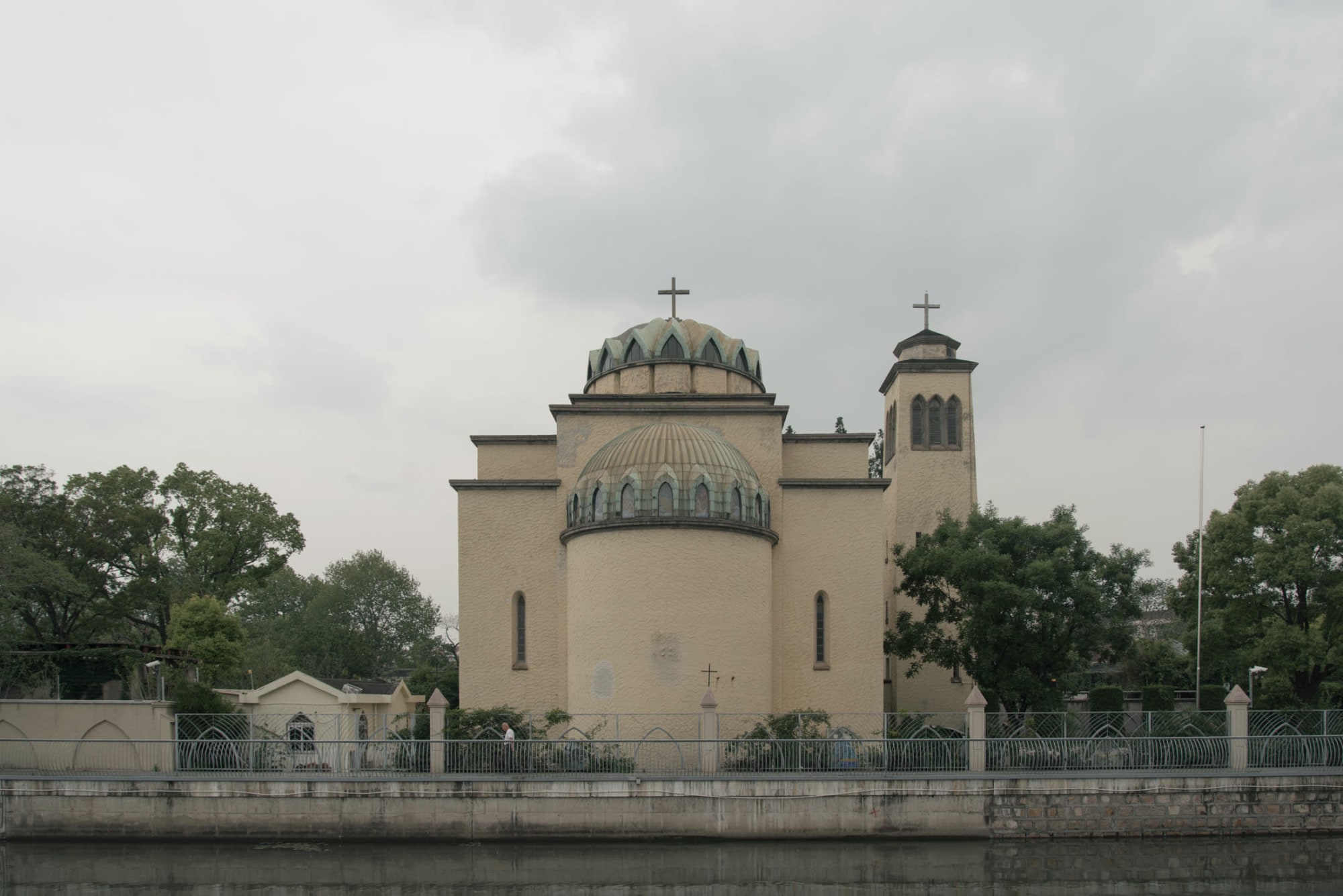
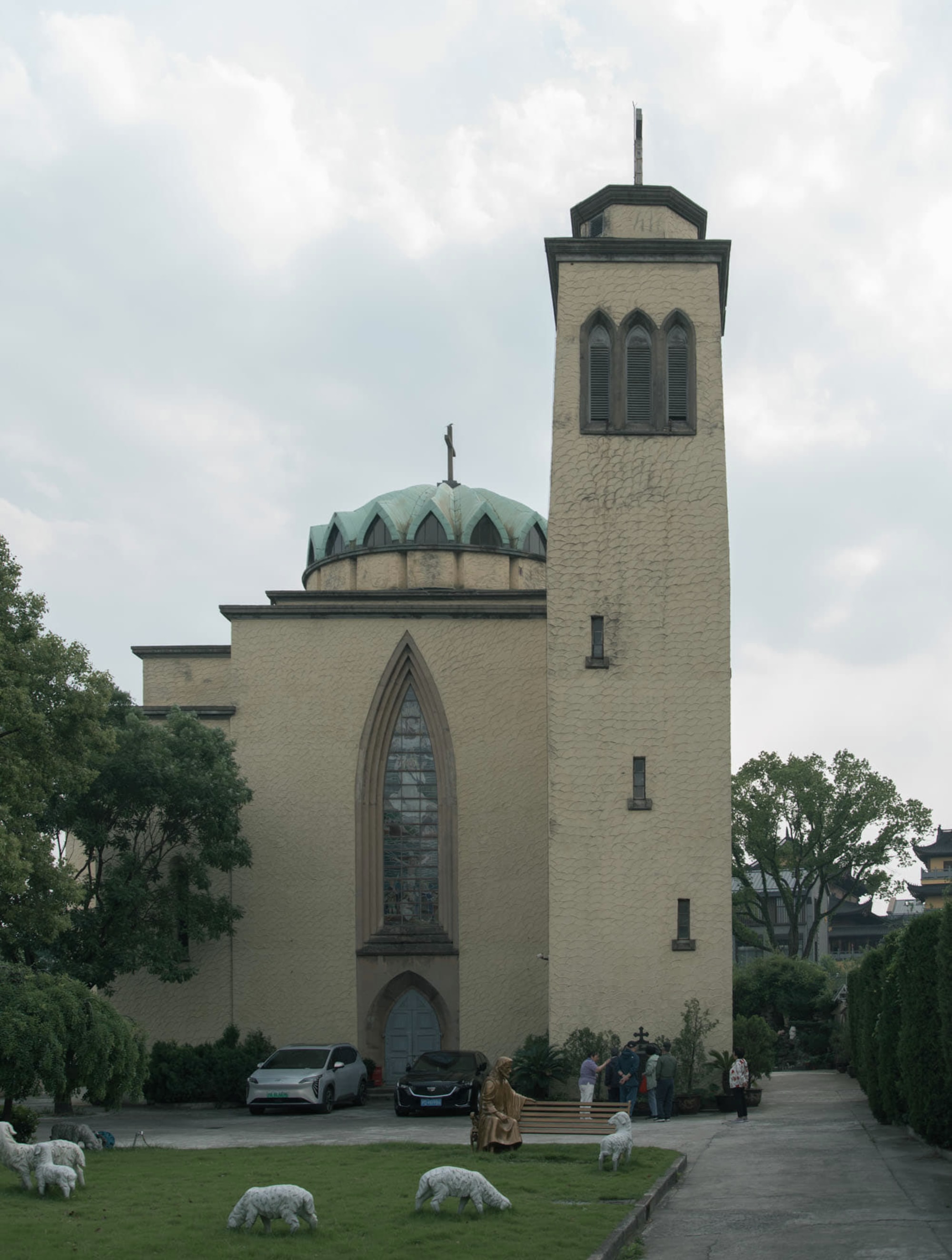
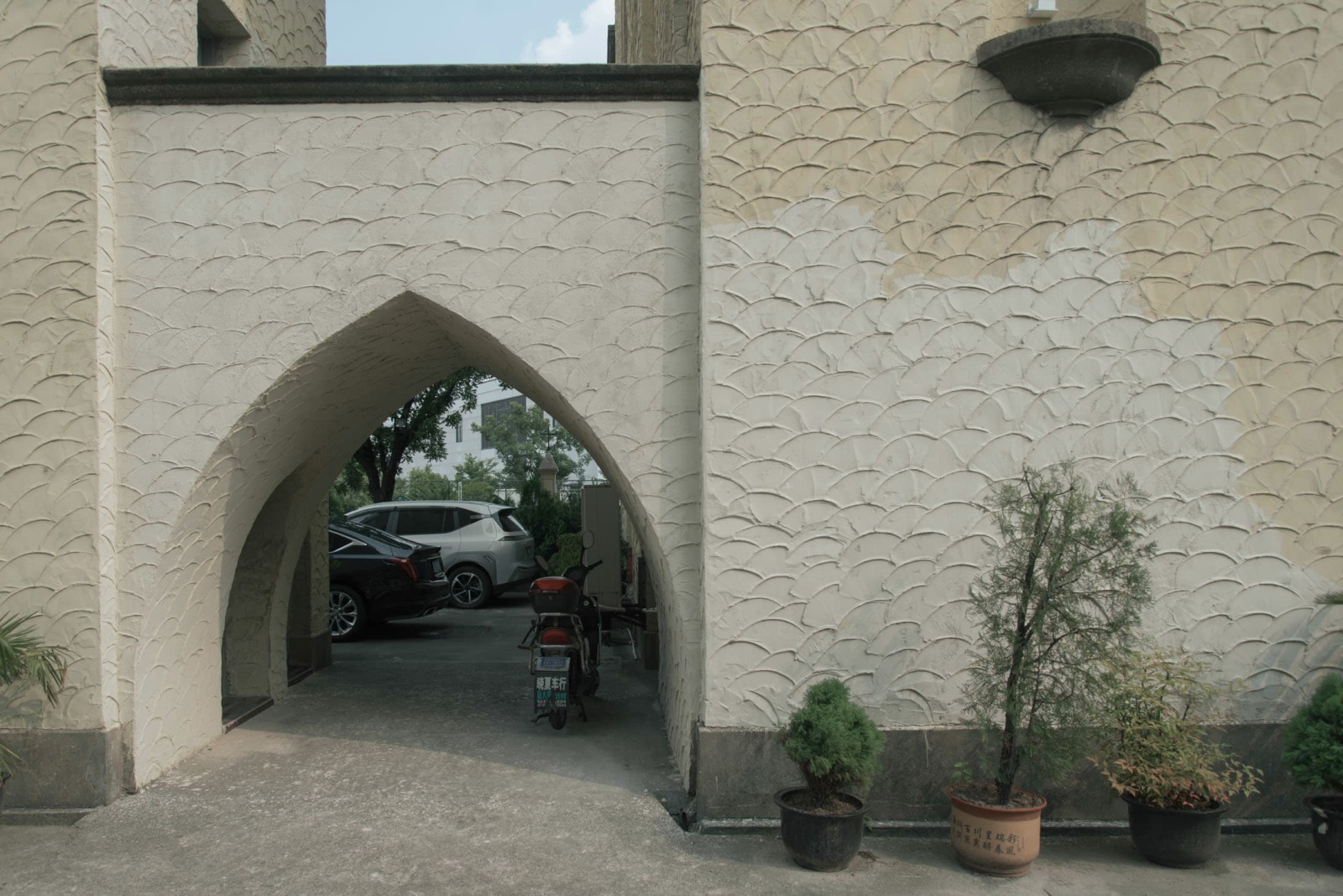
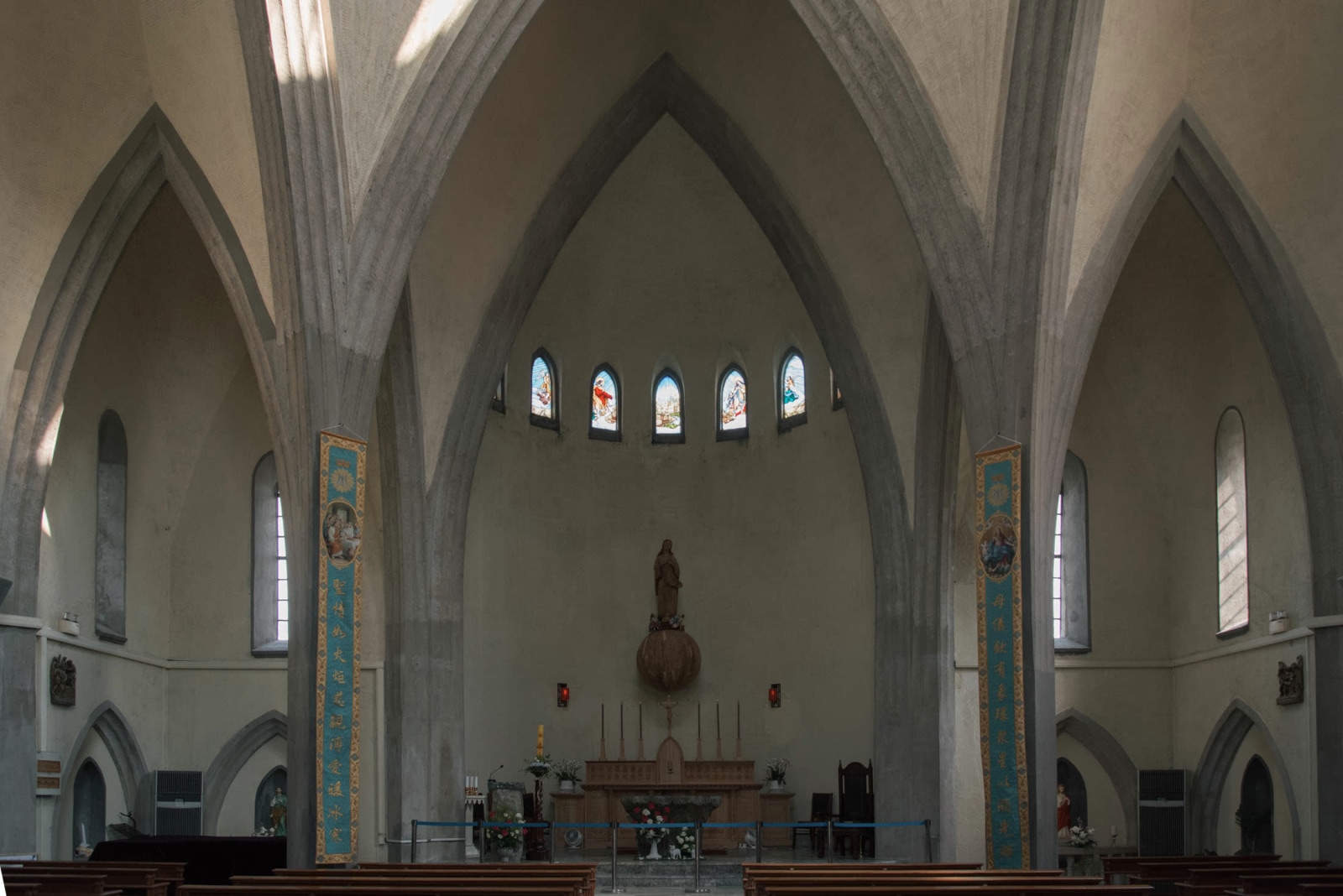
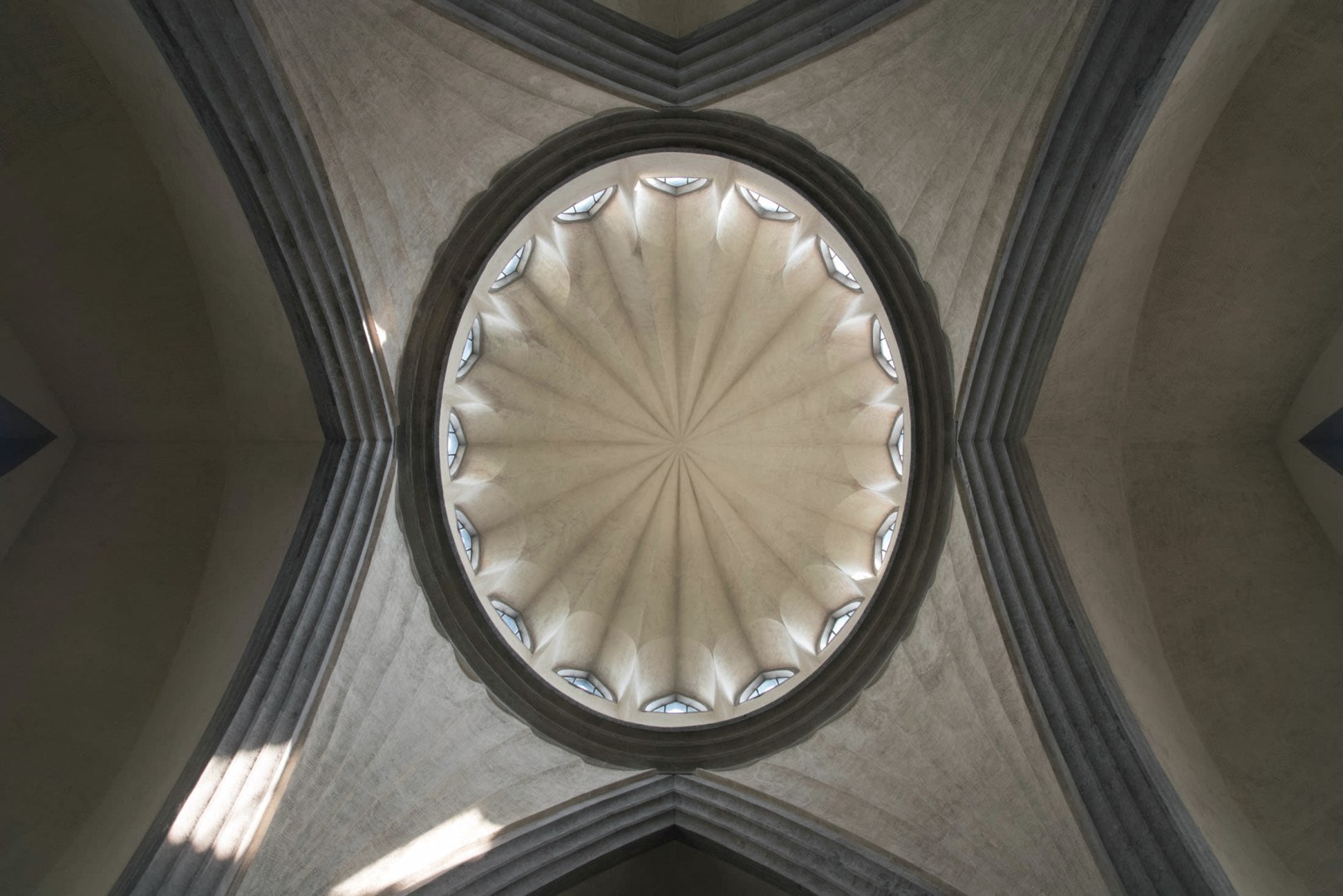
Built in 1931 as the chapel of the Xiyian Catholic Cemetery in Shanghai's Changning District, Xi Yan Tang (Chapel of Repose) is one of the few Byzantine-style ecclesiastical buildings on the Chinese mainland. It has long been attributed to the prolific Hungarian-Slovak architect Ladislav Hudec, yet recent scholarship and the Catholic Diocese of Shanghai's own records indicate that the actual designer and construction supervisor was the Chinese Catholic architect Pan Shiyi, with Hudec serving in a nominal capacity. A reinforced concrete structure, the chapel features a distinctive hemispherical dome encircled by fourteen pointed-arched windows, fusing Byzantine massing with Gothic fenestration. The exterior is clad in yellow fish-scale tiles, giving the facade a warm, textured, almost reptilian quality that further distinguishes it from Shanghai's predominantly Western Classical church architecture. Originally adorned with interior murals, the building was designated a Shanghai Outstanding Historical Architecture in 1994. Its contested authorship highlights the often-overlooked contributions of native Chinese architects working alongside celebrated foreign practitioners in treaty-port Shanghai.
息焉堂
中国 上海
1931
息焉堂(圣母升天堂)坐落于上海长宁区可乐路,1931年作为息焉公墓的附属礼拜堂而建,是中国大陆罕见的拜占庭风格宗教建筑。长期以来,该堂被广泛归于匈牙利裔建筑师邬达克(Ladislav Hudec)名下。然而,天主教上海教区官方资料及相关学术研究揭示,实际设计者与监造者是中国天主教建筑师潘世义,邬达克更多是应邀署名。这一归属争议折射出近代上海租界建筑史中,本土建筑师贡献长期被遮蔽的结构性问题。建筑采用钢筋混凝土结构,主体特征为由14只尖券窗环绕的半球形穹顶,将拜占庭式的体量构成与哥特式的窗饰语汇巧妙融合。外立面覆以黄色鱼鳞状面砖,赋予建筑温暖而富有肌理的独特表皮,在上海以西方古典教堂为主的宗教建筑中别具一格。室内原绘有精美壁画。1994年被列为上海市优秀历史建筑。