Northern Kyushu Temples
Oita, Japan
8th - 12th century
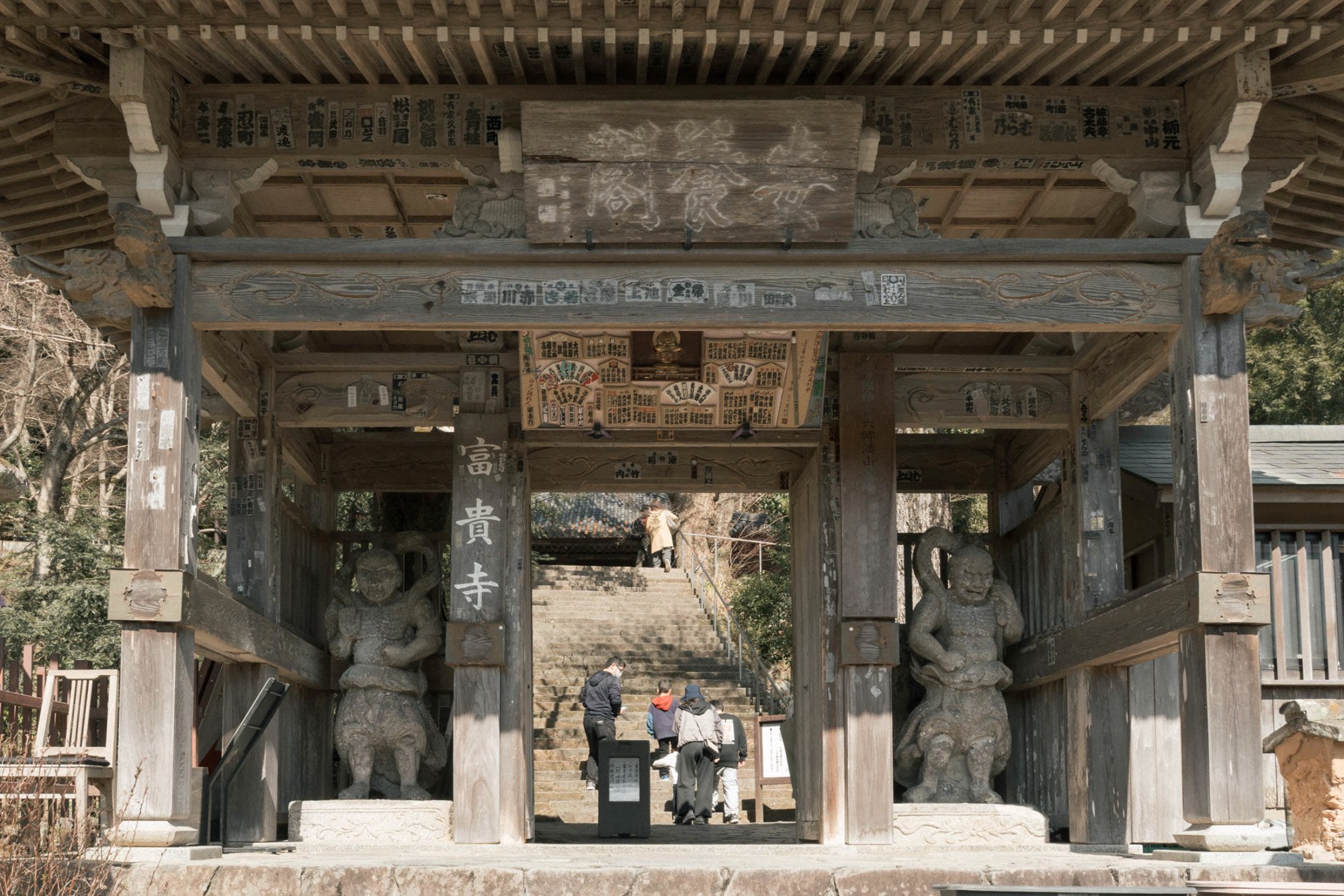
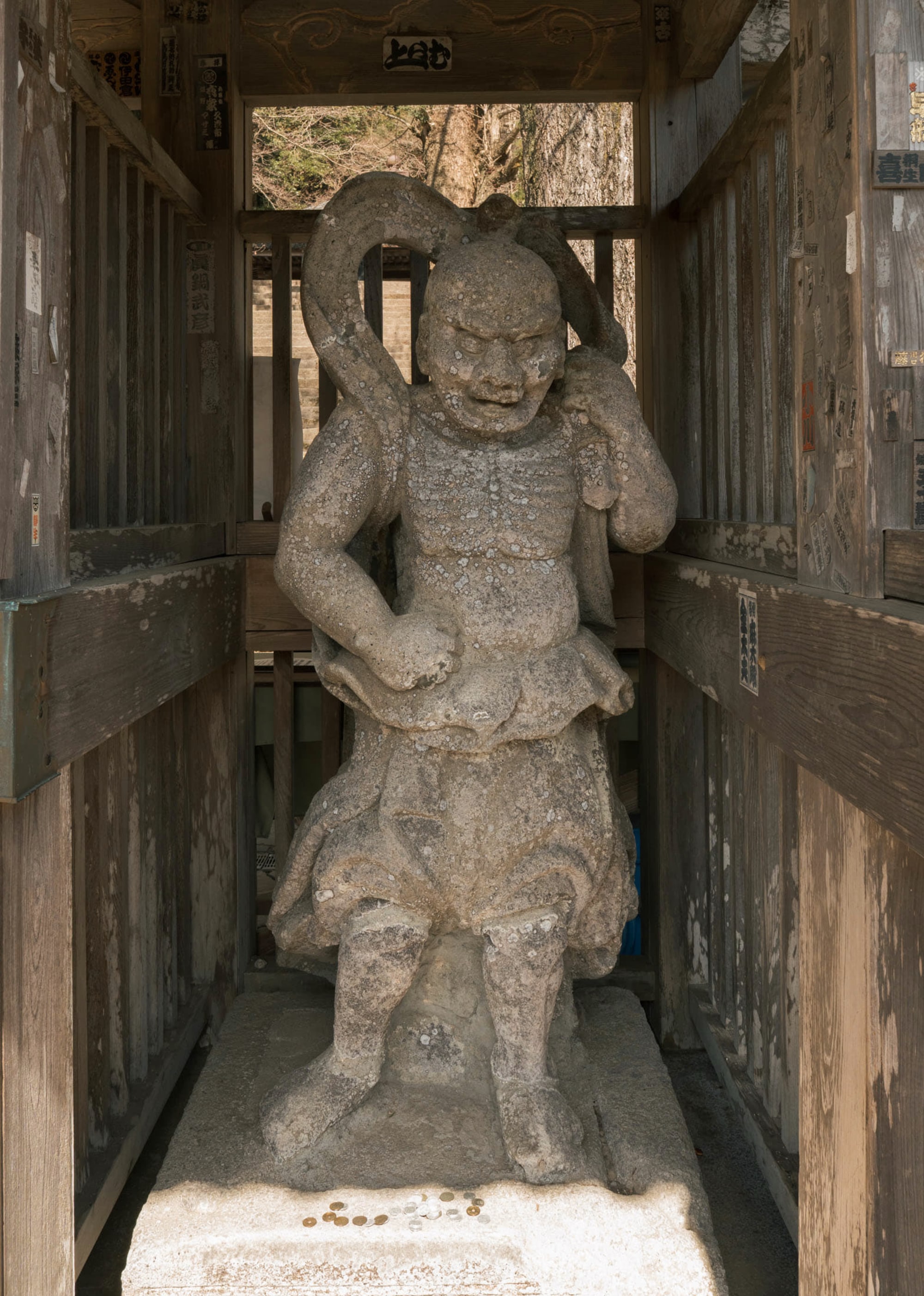
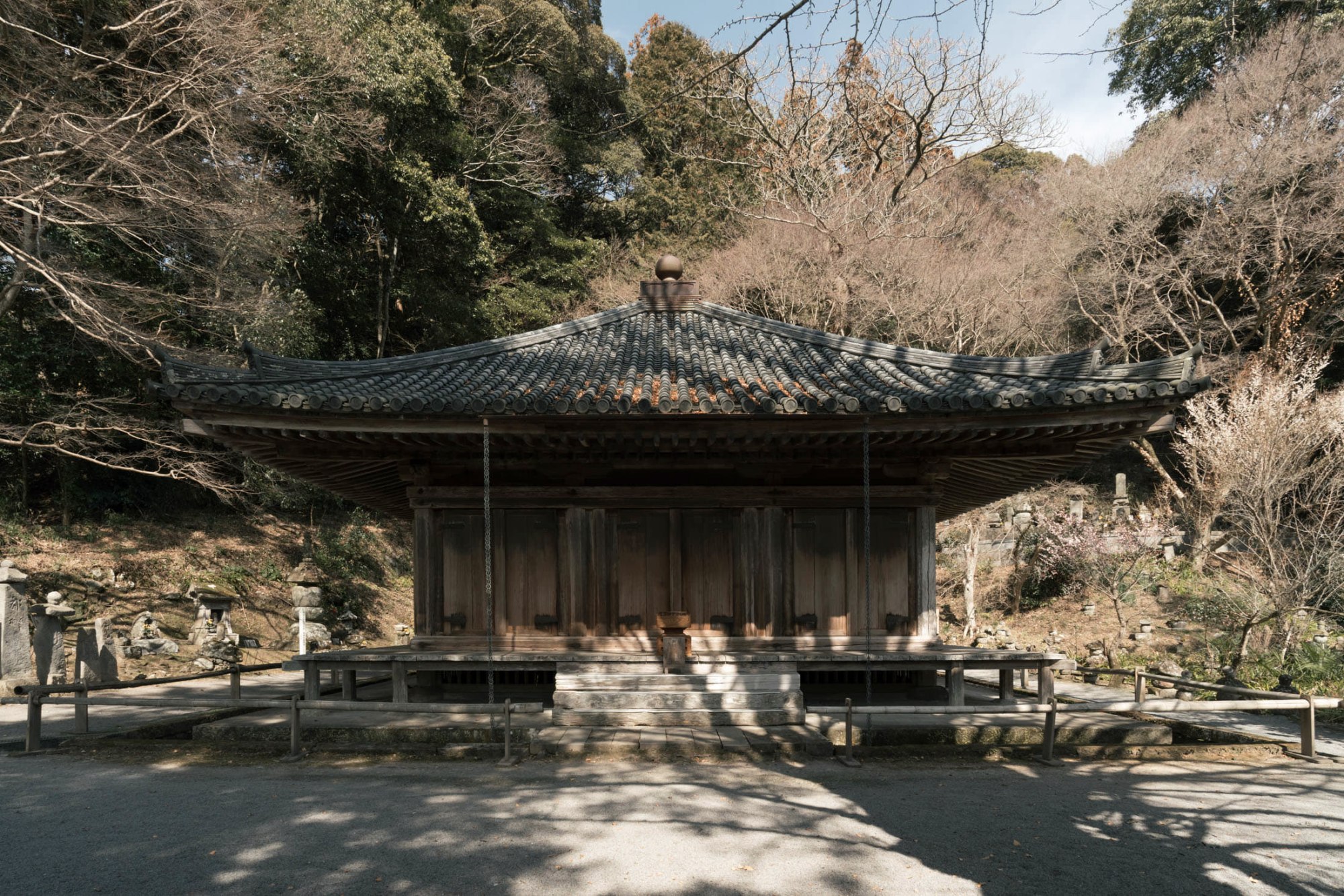
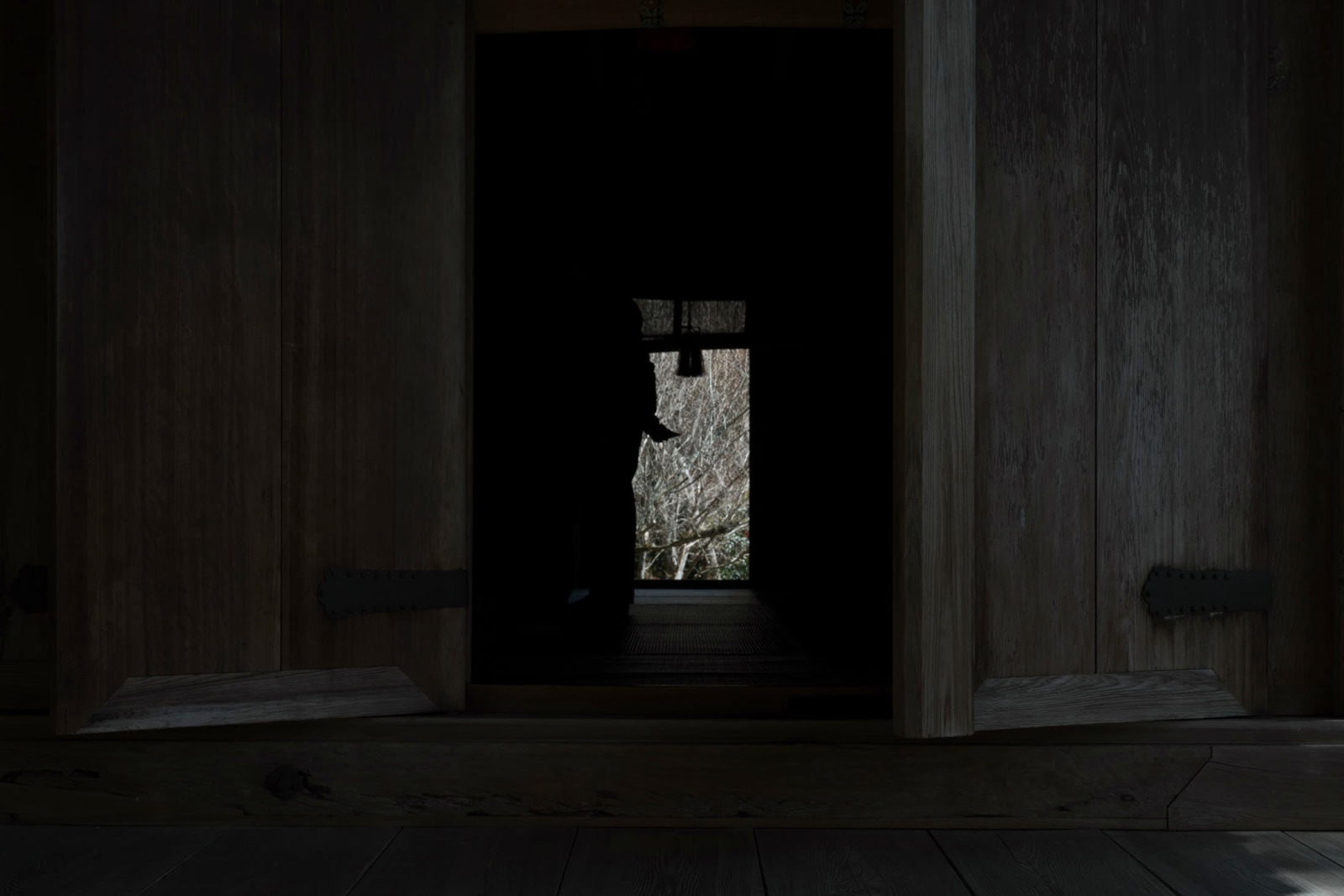
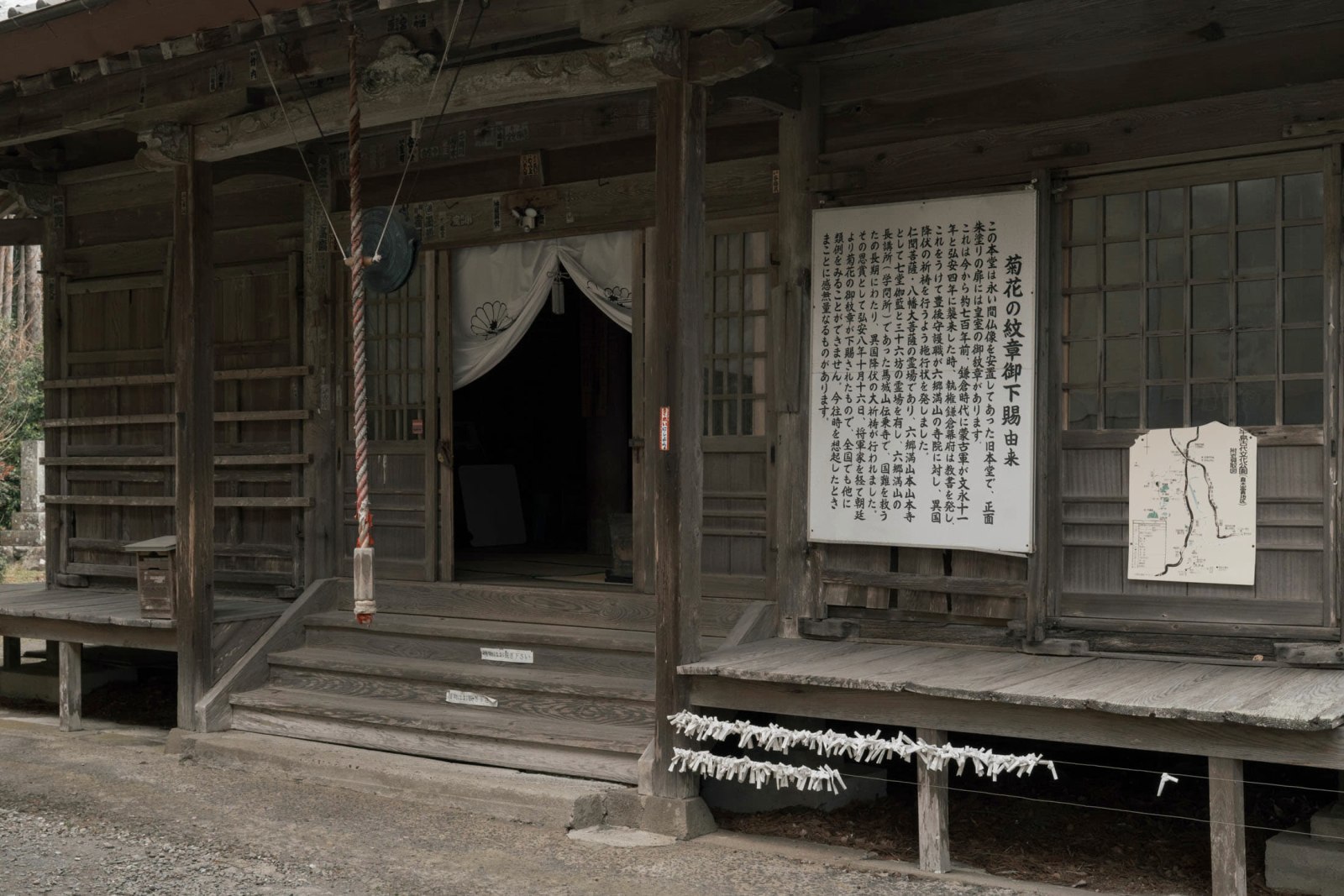
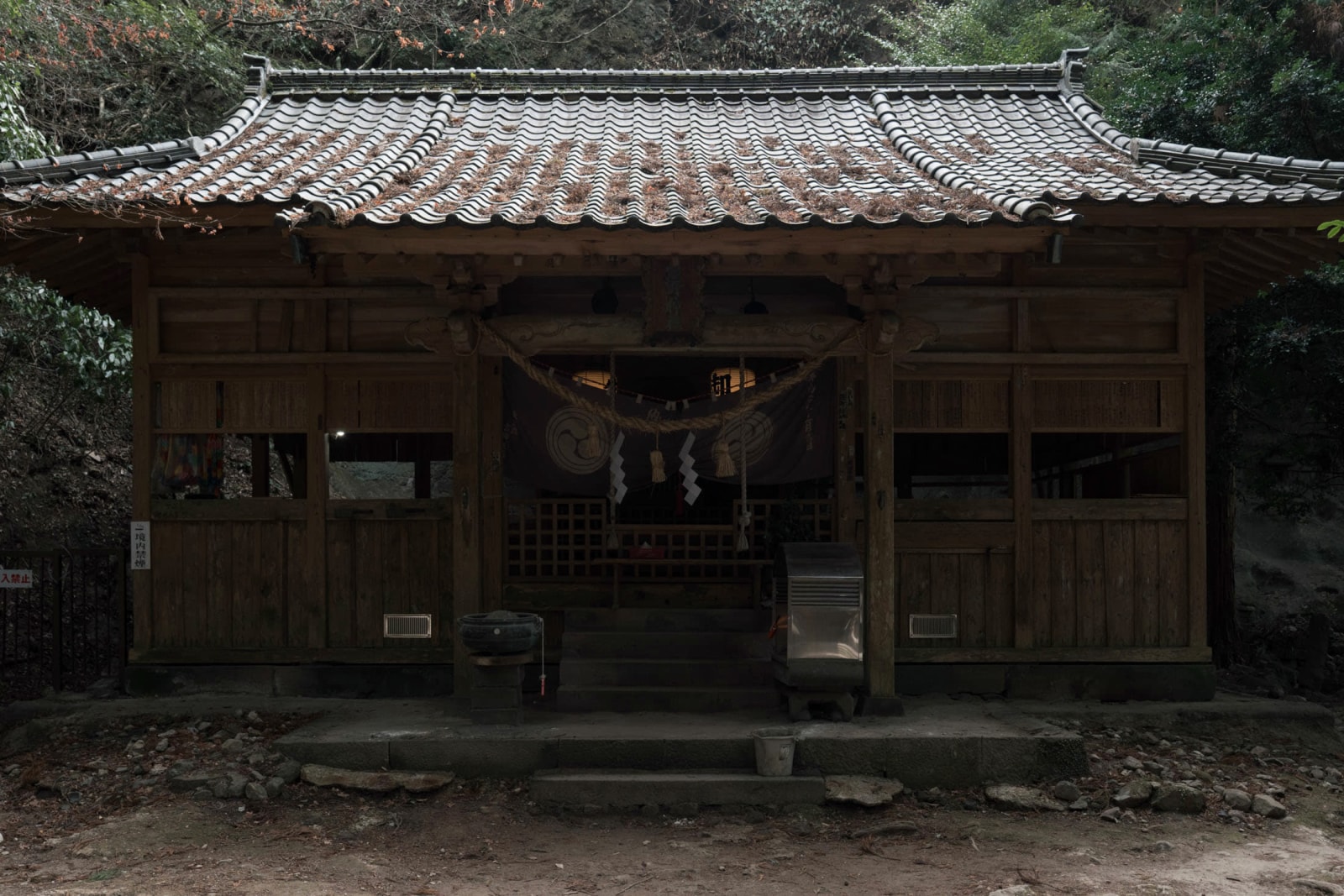
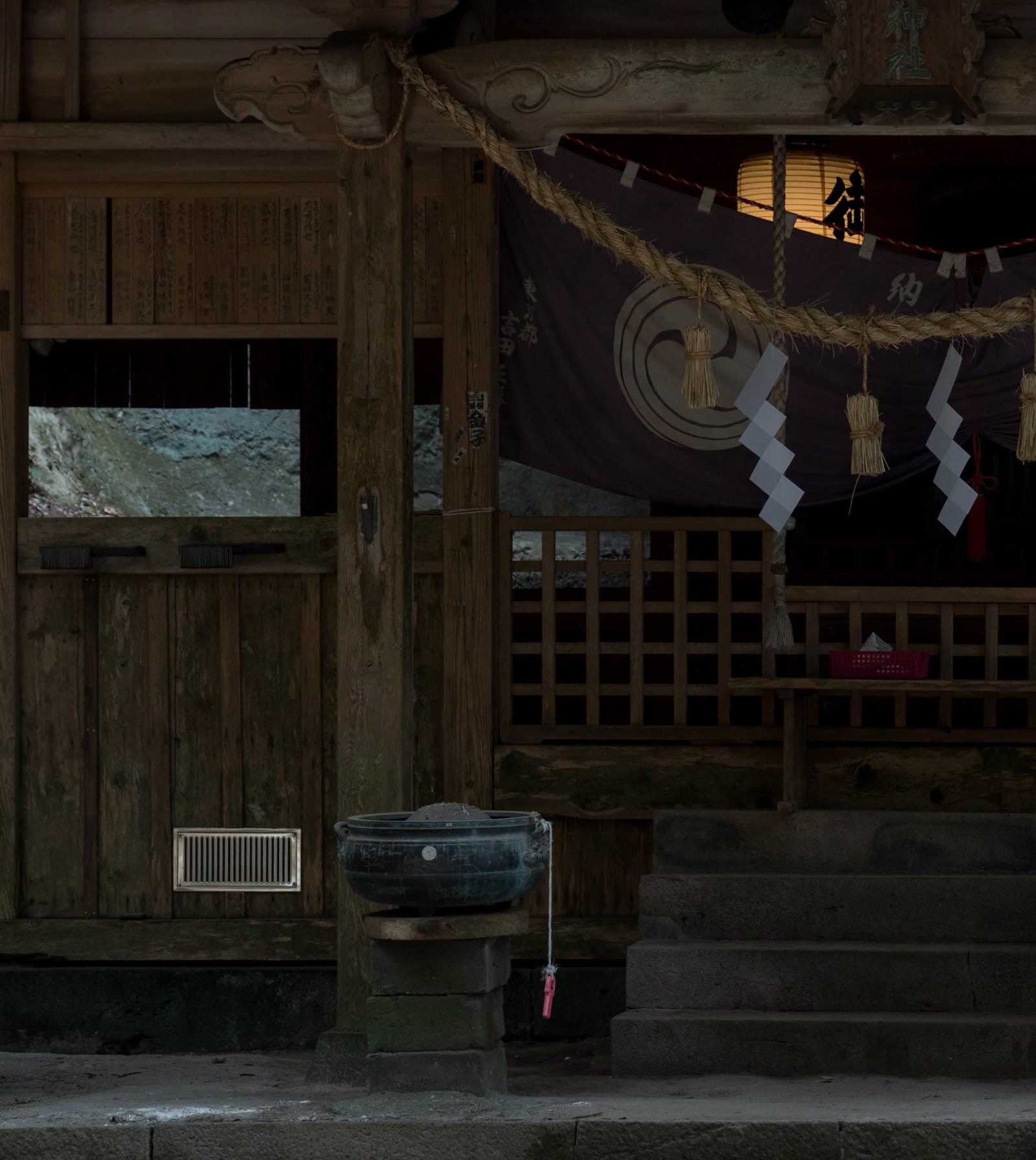
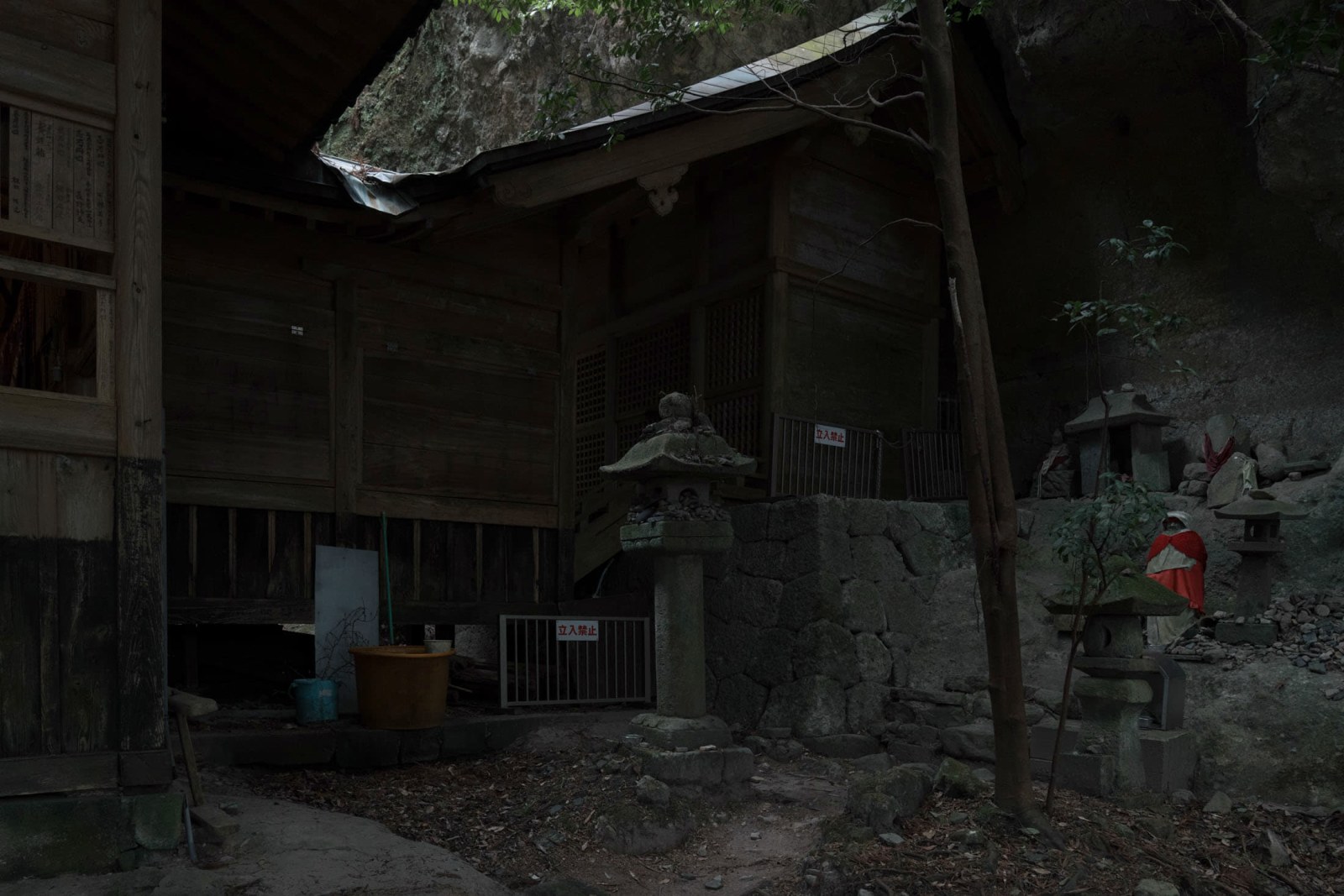
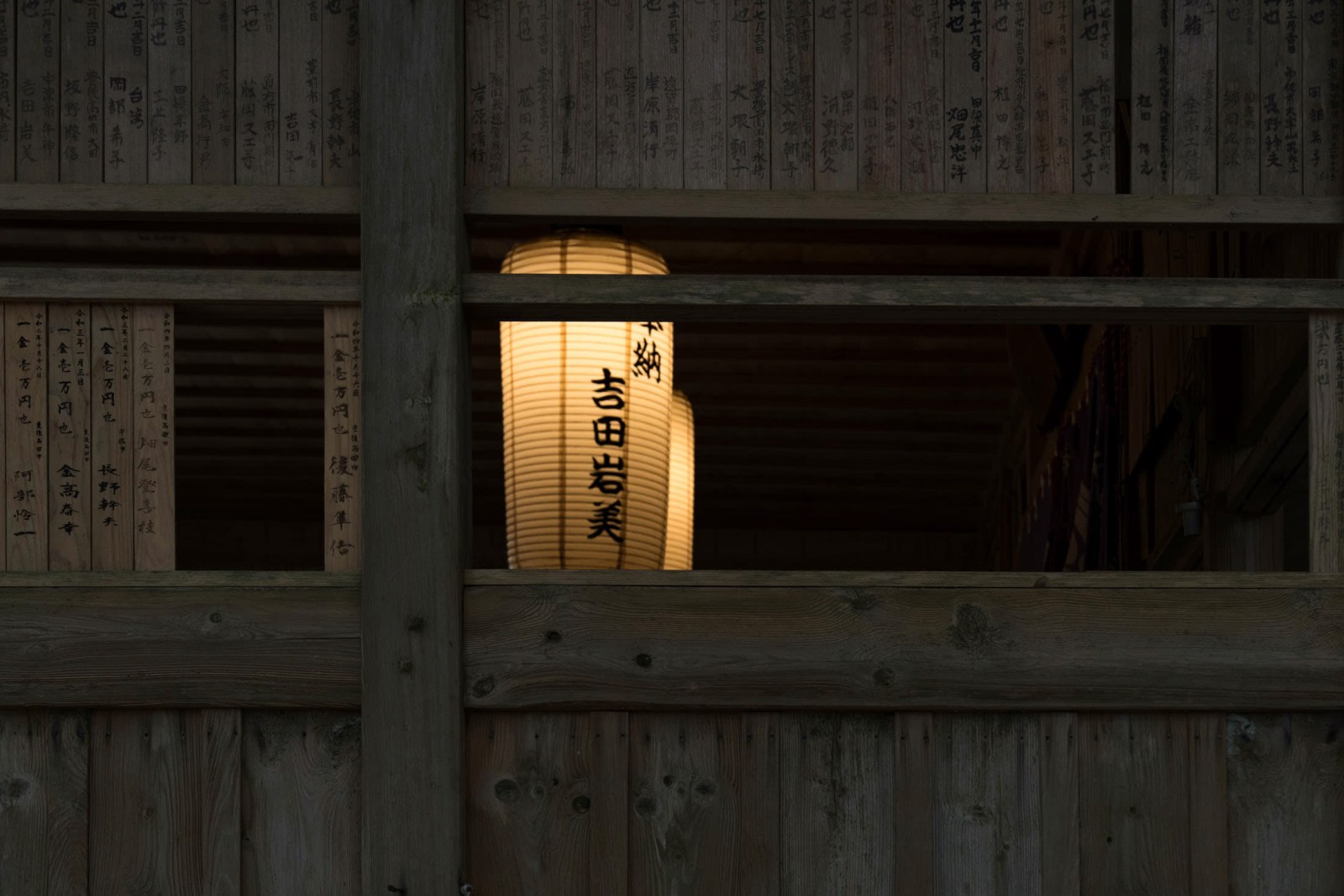
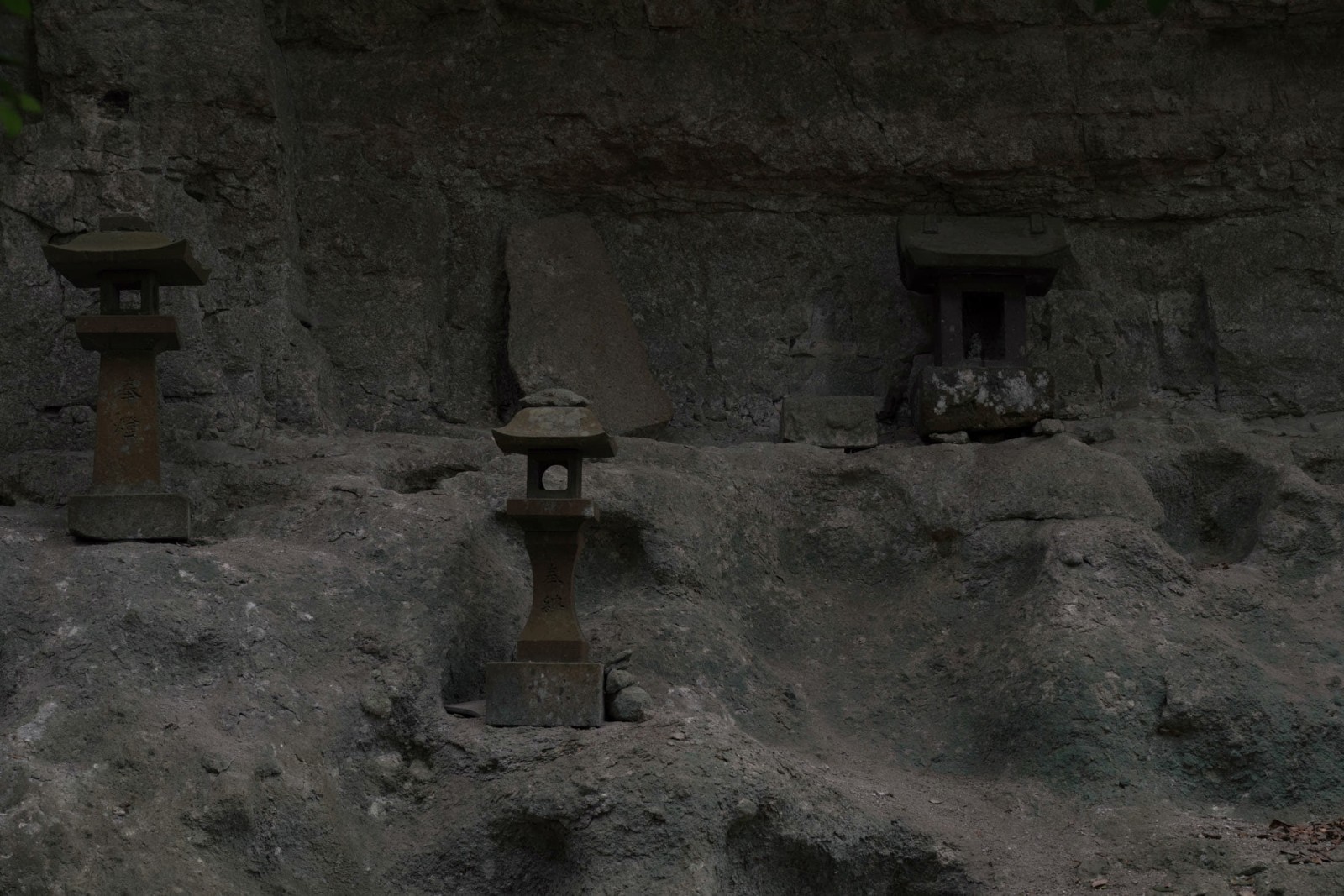
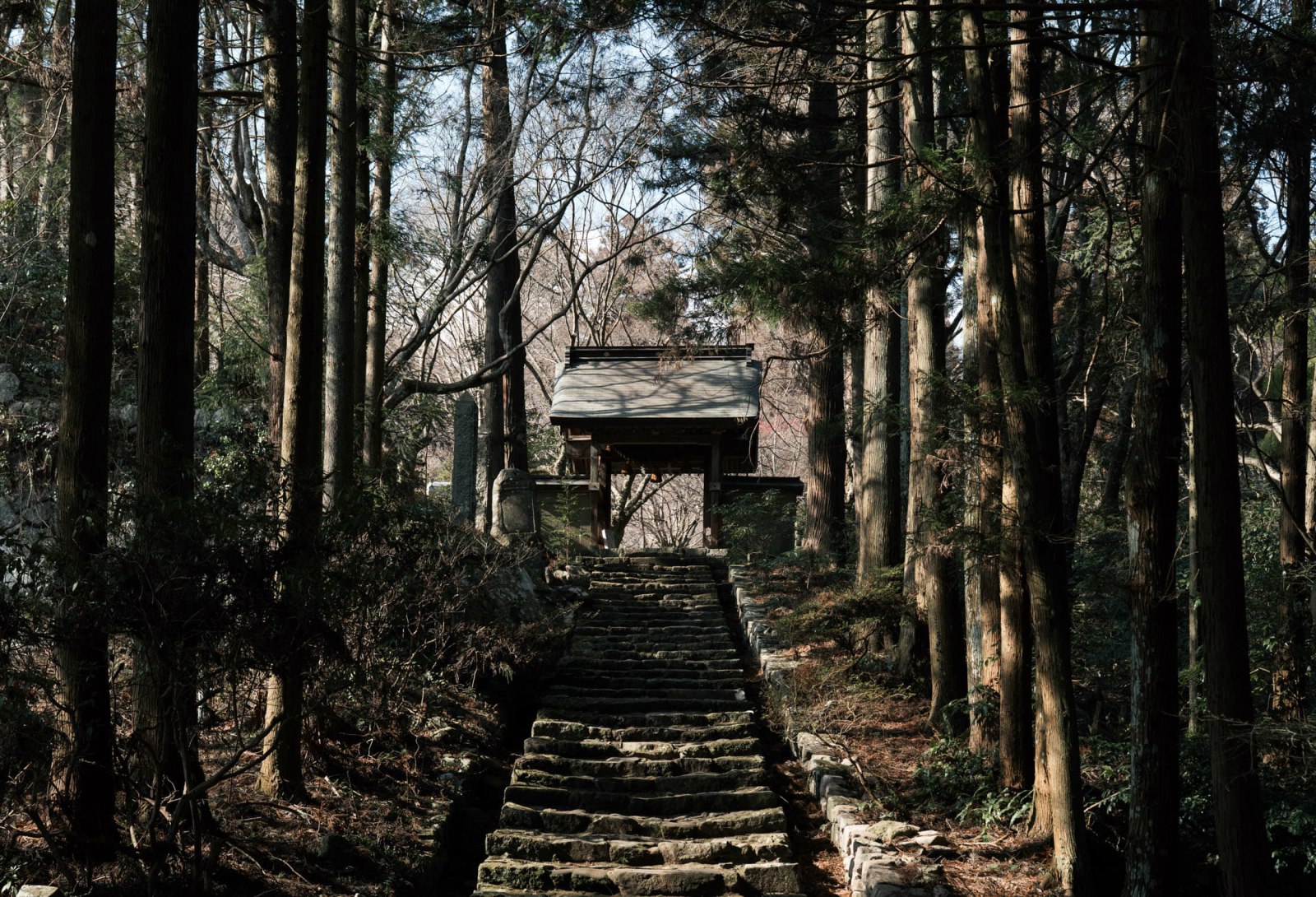
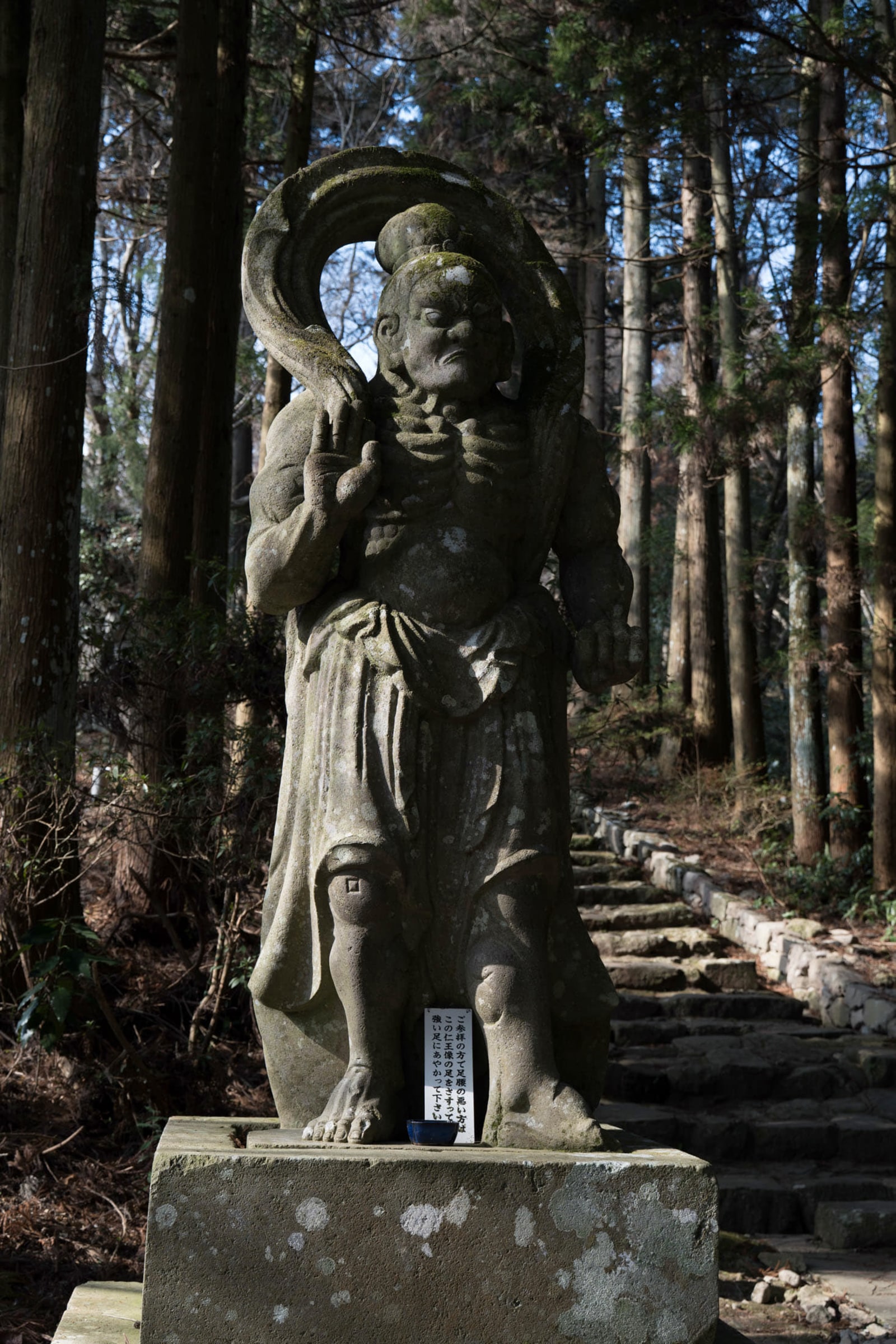
The Kunisaki Peninsula in northern Kyushu presents an extraordinary architectural typography born from *Rokugō Manzan*—a localized syncretism blending Tendai Buddhism, Shinto, and mountain asceticism (Shugendō). Unlike isolated monuments, this is an architecture intrinsically woven into the volcanic topography. At Fuki-ji, the 12th-century Amida Hall—Kyushu's oldest surviving wooden structure—displays elegant, sweeping rooflines carved from single kaya trees, standing as a serene Pure Land sanctuary amidst dense forests. Nearby Maki-Odo acts as a treasury for formidable Heian-era wooden statuary, while Kumano Magaibutsu integrates spirituality directly into the earth via monumental deities carved into sheer cliff faces reached by rugged stone stairways. Deeper in the mountains, Futago-ji’s *Kake-zukuri* (cliff-hanging) Inner Sanctuary and menacing stone Niō guardians exemplify the symbiotic relationship between built form and rugged terrain. Together, these sites form a decentralized, landscape-scale architectural complex where untamed nature and spiritual devotion are architecturally indivisible.
九州北部寺院群
日本 大分
8至12世纪
九州北部的国东半岛呈现出一种非凡的建筑拓扑学,它诞生于“六乡满山”(Rokugō Manzan)——一种融合了天台宗、神道教与修验道(山岳信仰)的本土化混合信仰。这里并非孤立的纪念碑,而是一组与火山地形深度交织的建筑群。在富贵寺(Fuki-ji),12世纪的阿弥陀堂作为九州现存最古老的木建筑,以其由单根榧木雕琢的优美反宇屋顶,在密林中构筑了一处宁静的净土圣所。邻近的真木大堂(Maki-Odo)则是威严的平安时代木雕造像的宝库;而熊野磨崖佛(Kumano Magaibutsu)则通过在陡峭崖壁上雕刻巨大的神像,并通过崎岖的石阶相连,将精神性直接嵌入大地。在群山更深处,两子寺(Futago-ji)采用“悬造”(Kake-zukuri)工艺依崖而建的奥之院,以及守护在参道上粗犷的石雕仁王像,完美诠释了人工建造形式与崎岖地形之间的共生关系。这些遗址共同构成了一个去中心化、景观尺度的建筑综合体,在这里,狂野的自然与精神信仰在建筑学意义上已不可分割。