West Lake
Hangzhou, China
UNESCO 2011
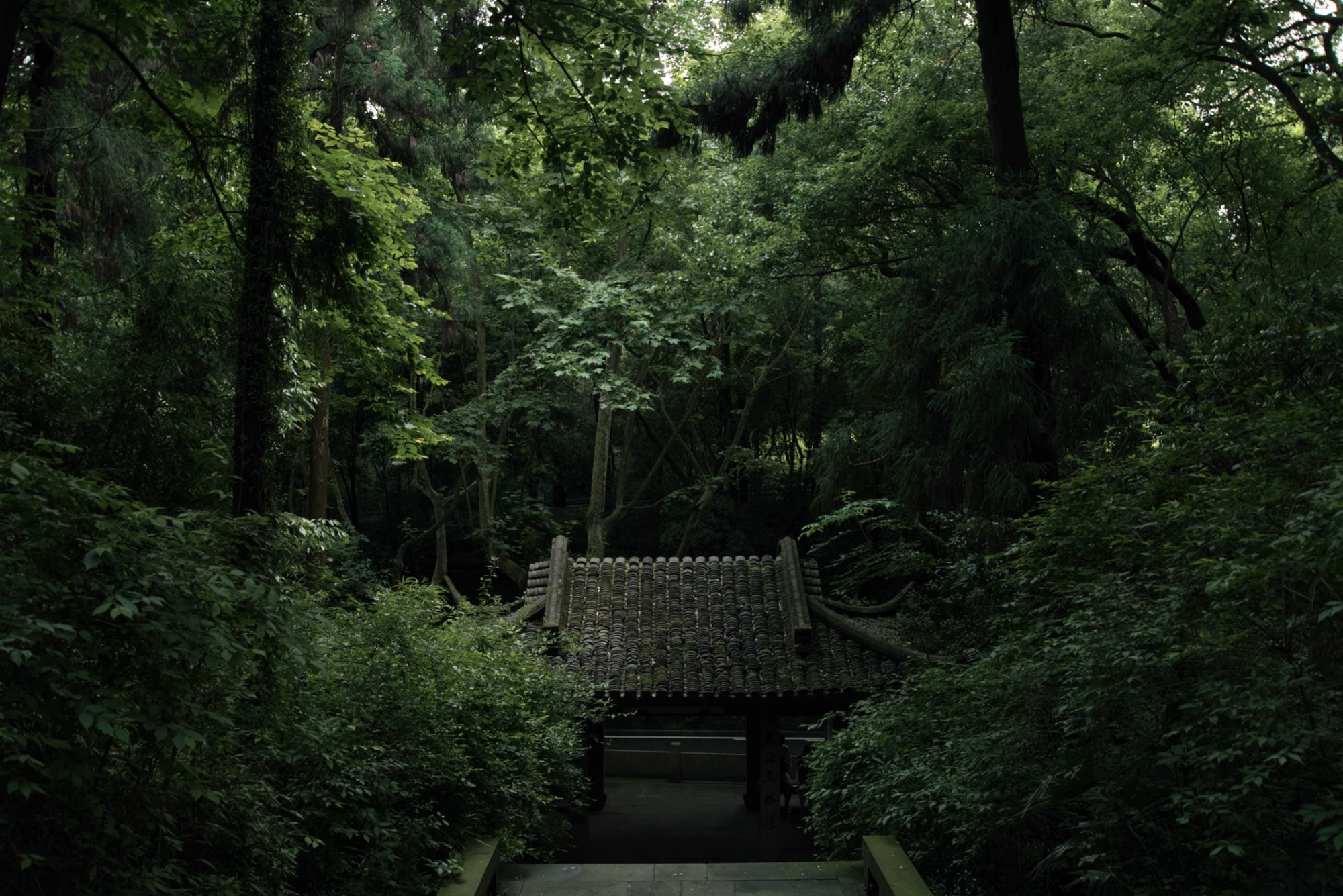
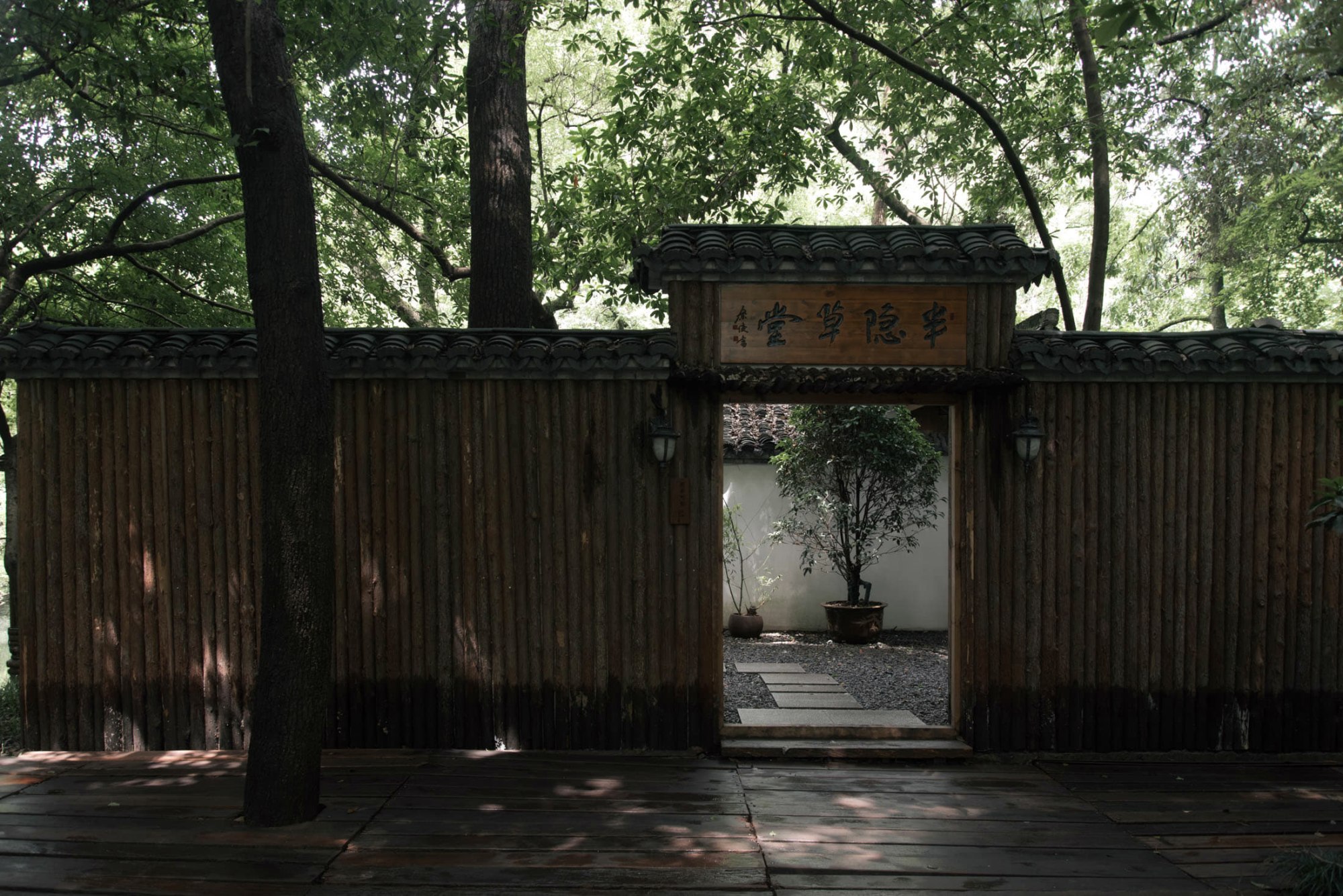
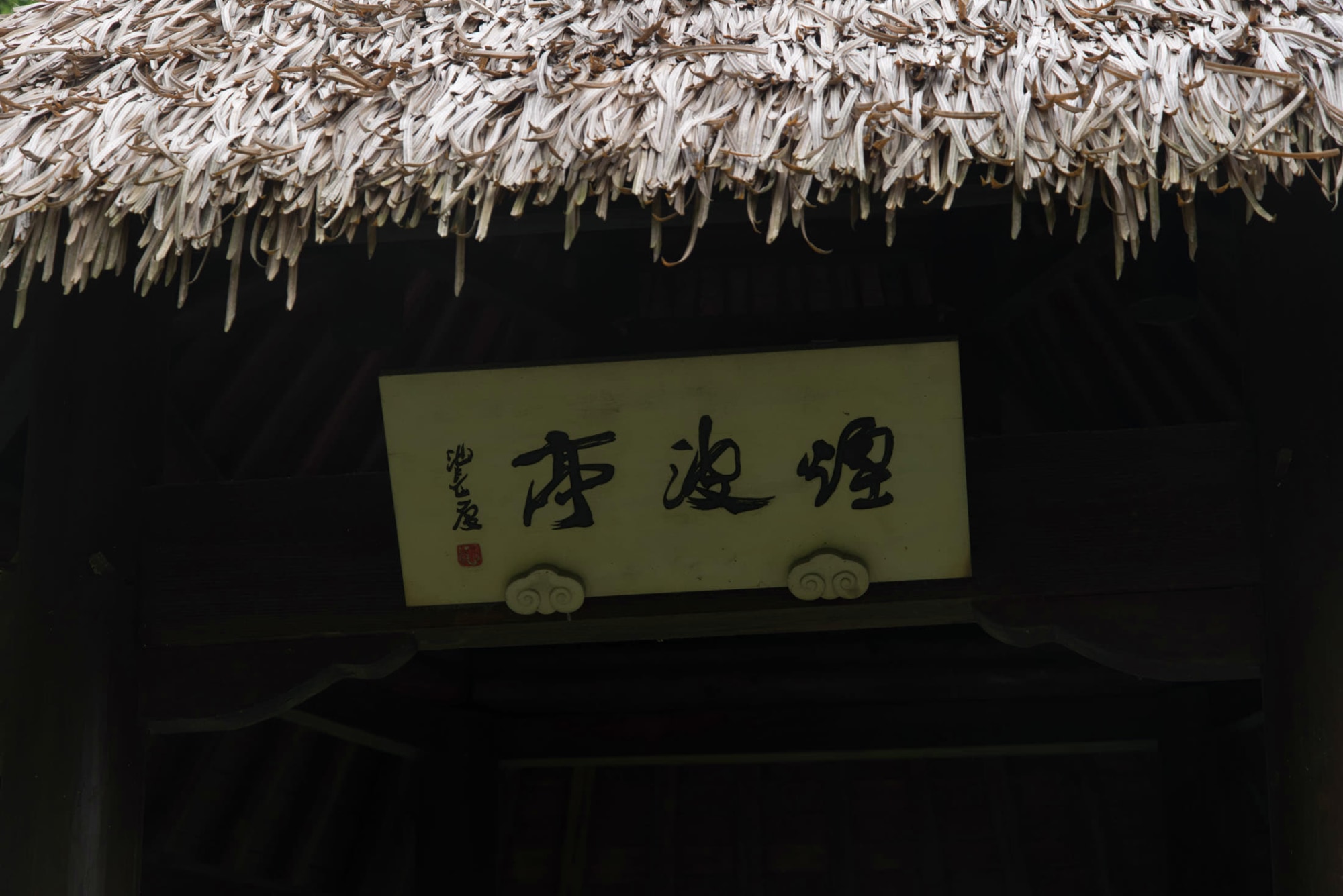
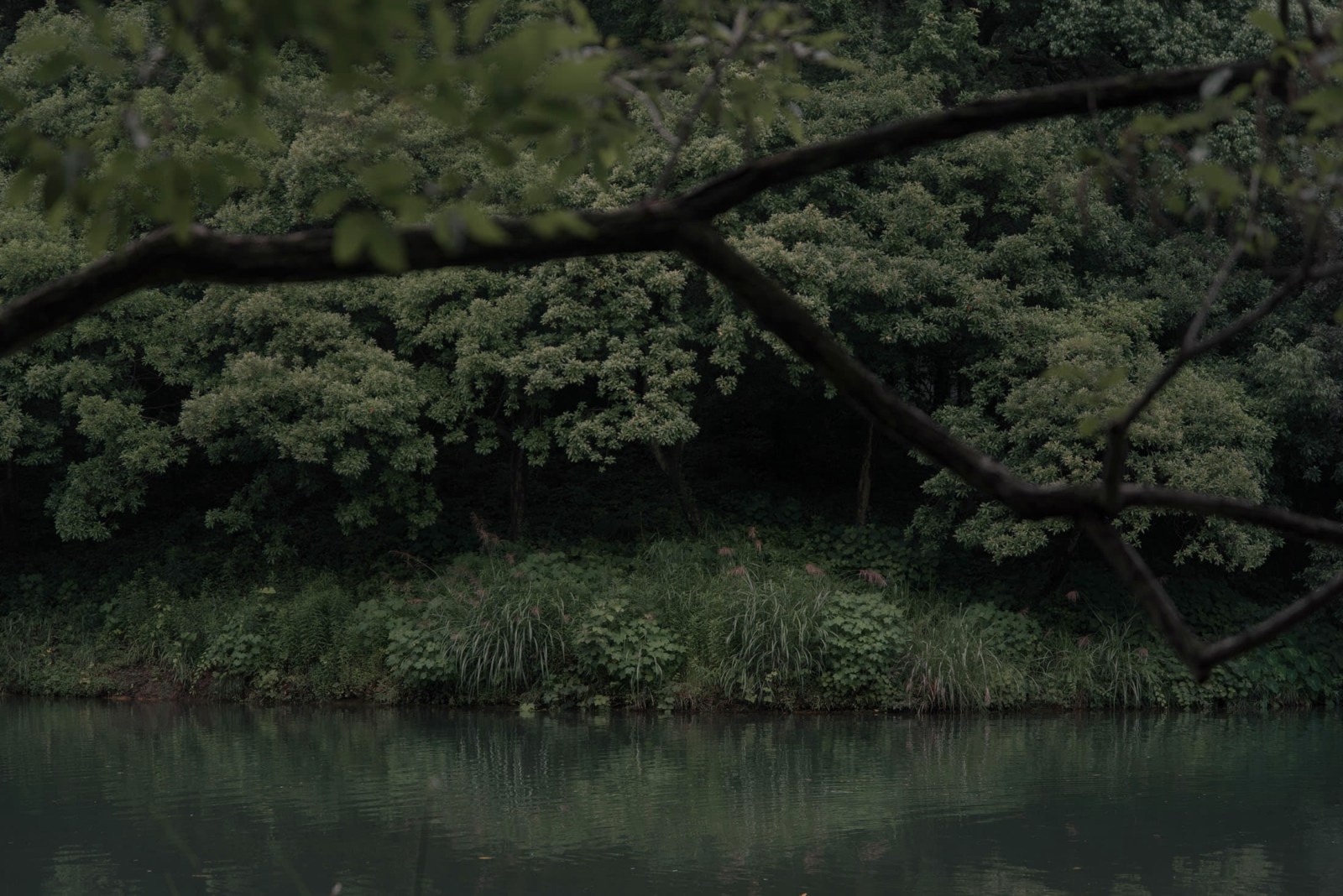
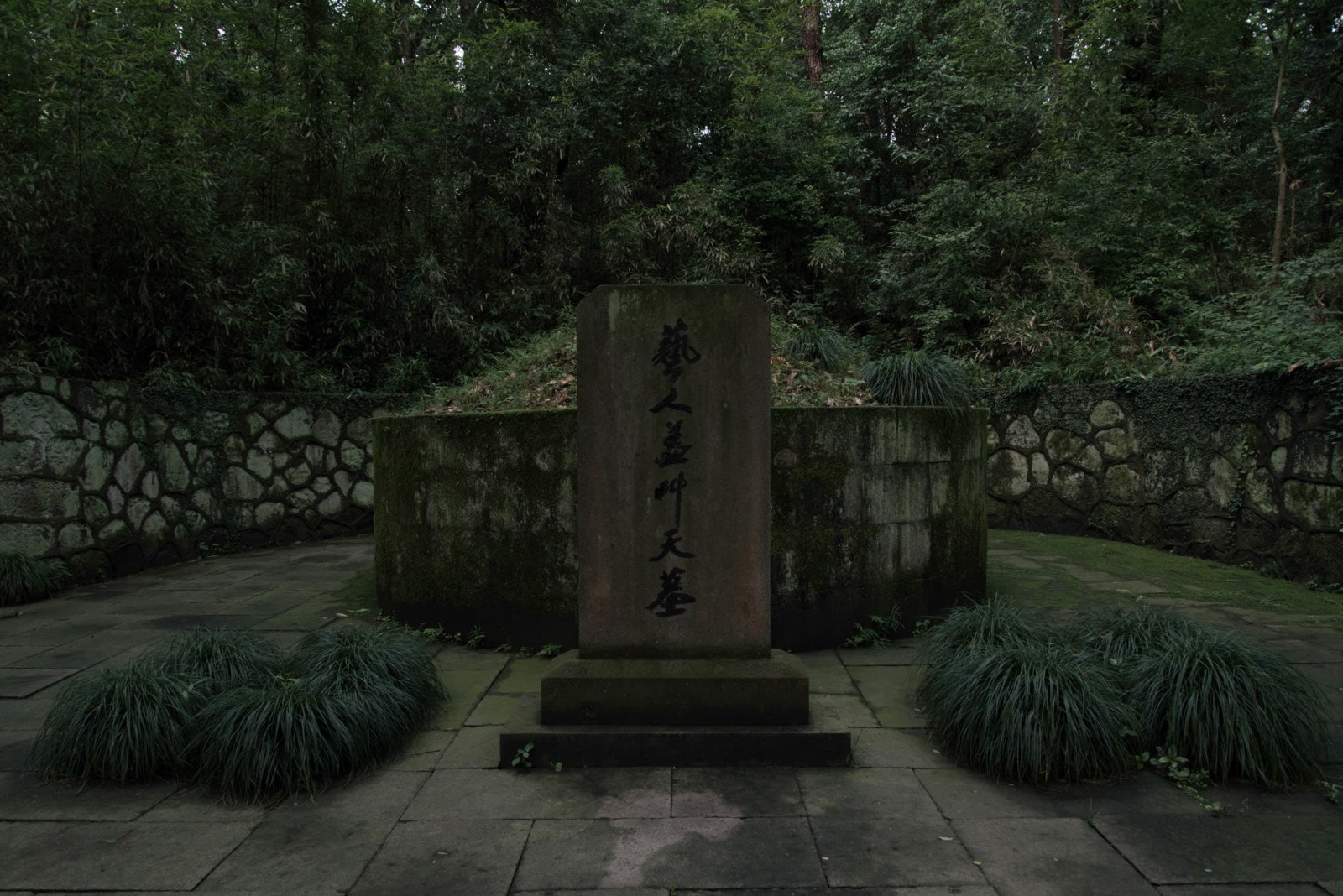
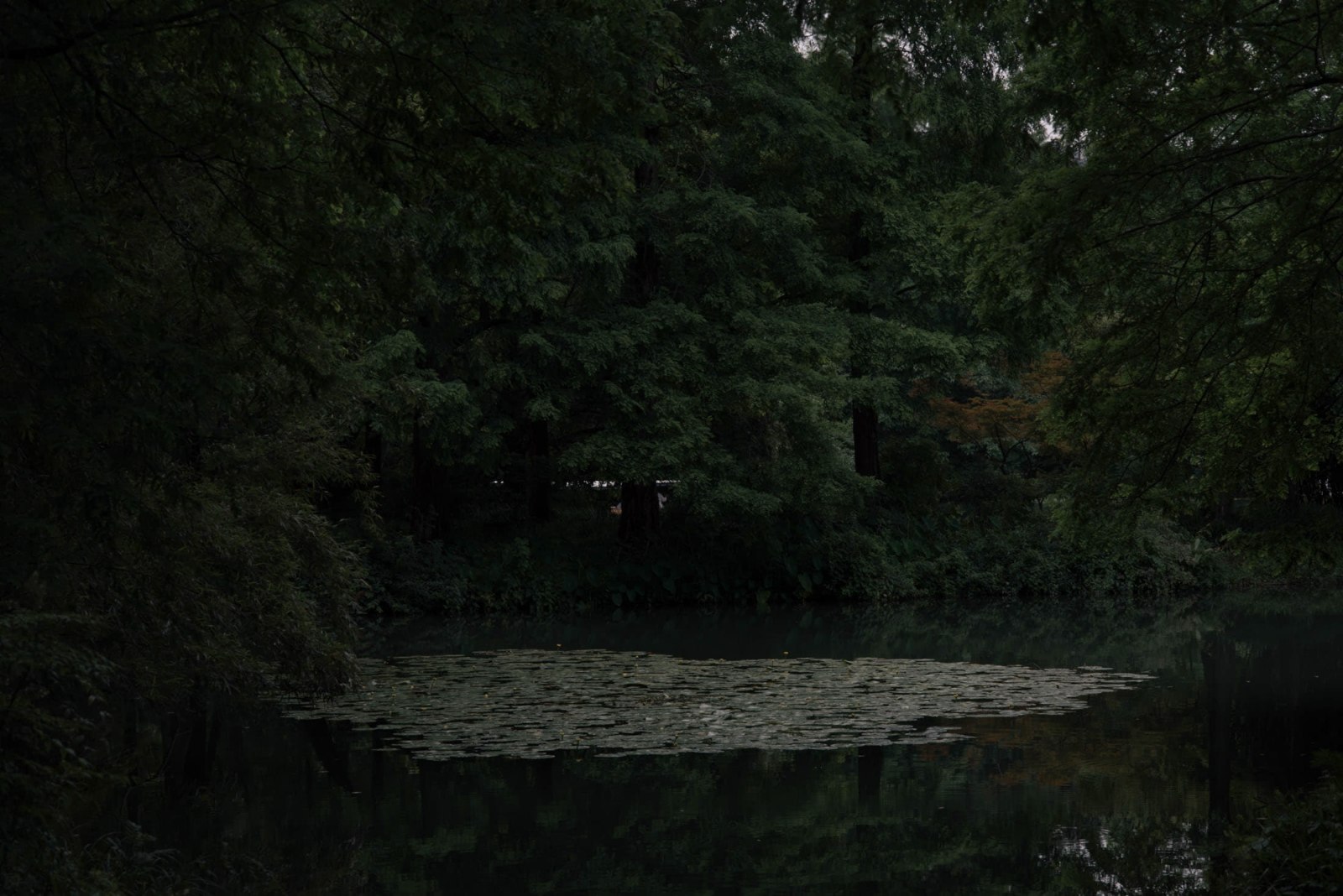
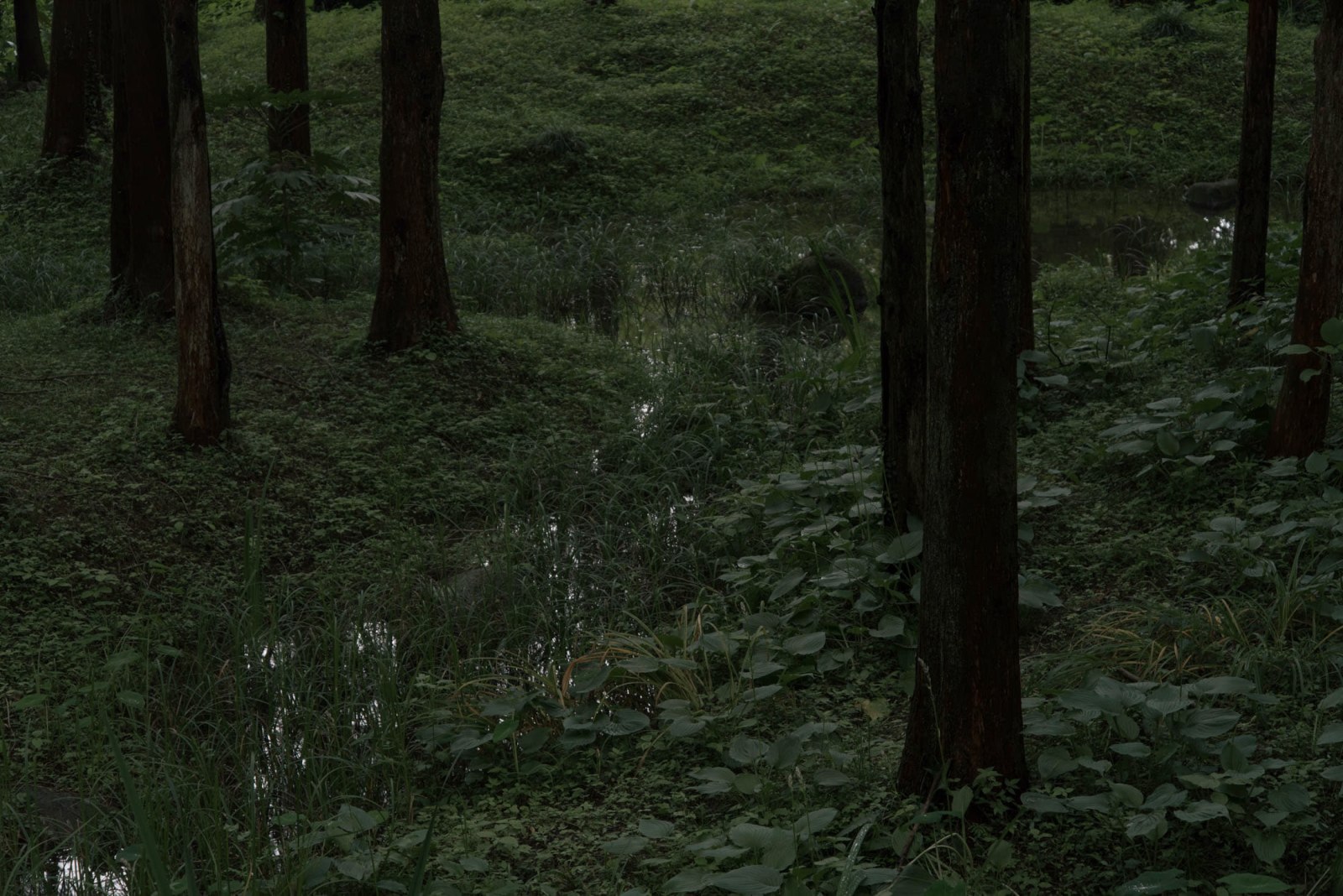
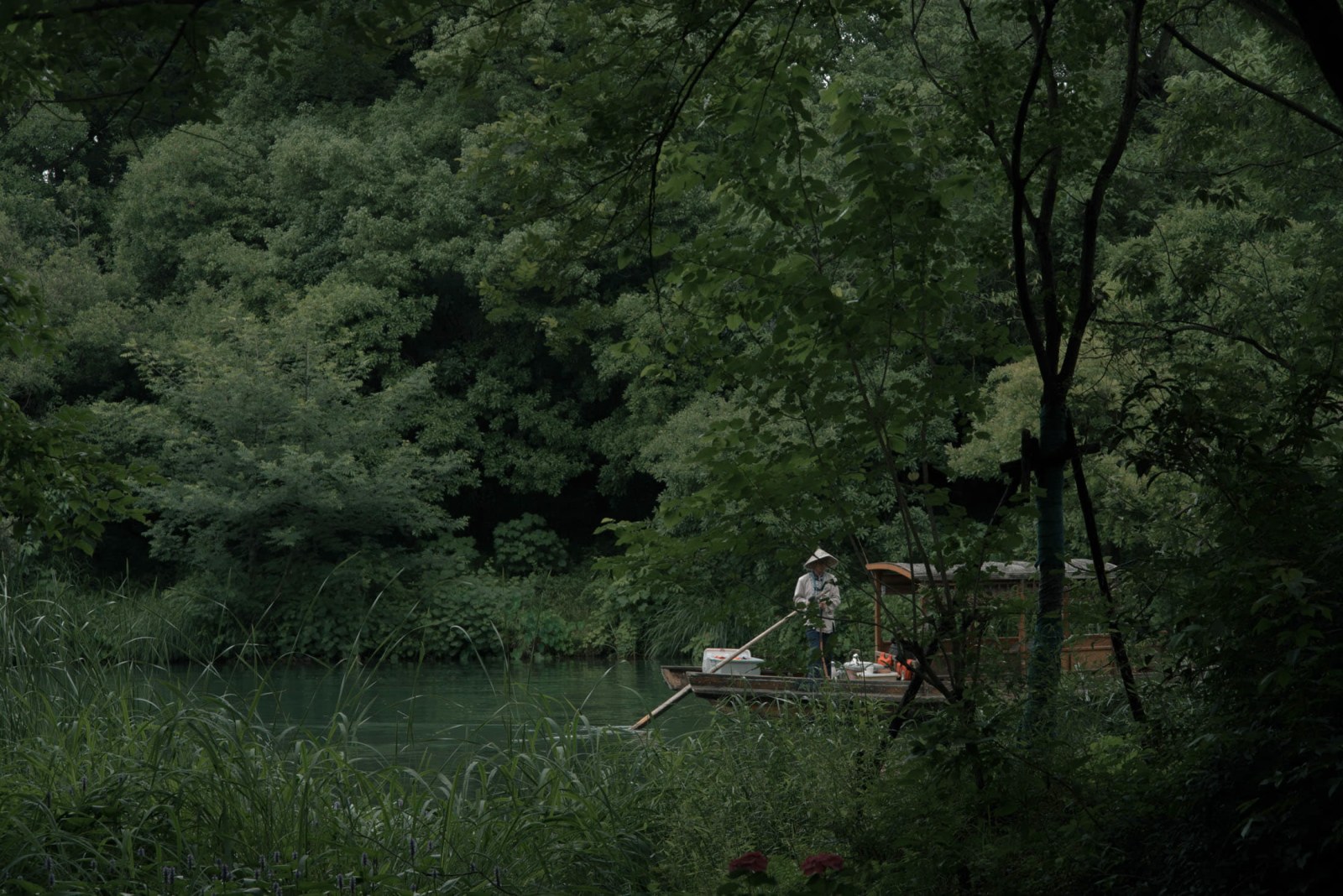
West Lake is not a singular landscape phenomenon but a cumulative cultural terrain, continuously reshaped over a millennium through dredging, planting, and pavilion-building across successive dynasties. What remains is an atmosphere of perpetual green twilight—light filtering through dense canopy, water and woodland merging at indeterminate edges, small boats gliding silently through flooded groves. Thatched pavilions emerge from bamboo thickets; stone stelae stand as silent witnesses to layers of literary and political memory. The lake's spatial character resists singular readings: it is simultaneously intimate and expansive, cultivated yet wild, historical yet timeless. Each path opens onto another enclosed garden, each clearing reveals a distant mountain framed by ancient trees. The visitor moves not through a designed sequence but through an accumulated palimpsest—centuries of human intention gradually absorbed into what now appears as nature itself. This is landscape as accumulated time, where the distinction between nature and human intervention has long dissolved into a singular, immersive stillness.
西湖
中国 杭州
UNESCO 2011
西湖并非单一的景观现象,而是一处累积性的文化地景,经由千年来历代的疏浚、种植与亭台构筑持续重塑。留存至今的是一种永恒的绿色暮光氛围——光线穿透浓密的树冠,水面与林地在模糊的边界处交融,小舟静静穿行于水淹的树林间。茅草亭从竹林深处浮现,石碑静静伫立,见证着层层叠叠的文学与政治记忆。西湖的空间特质拒绝单一的解读:它同时是私密的与开阔的,经营的与野生的,历史的与永恒的。每条小径通向另一处封闭的园林,每片空地都能望见被古树框取的远山。访者穿行其间,并非经历一段设计好的序列,而是穿越一层层累积的覆写——数百年的人为意图逐渐被吸收,化为如今看似自然本身的存在。这是一种作为累积时间的景观,自然与人为干预的边界早已消融于一片沉浸的静谧之中。