Guo's Villa
Hangzhou, China
1851~1861
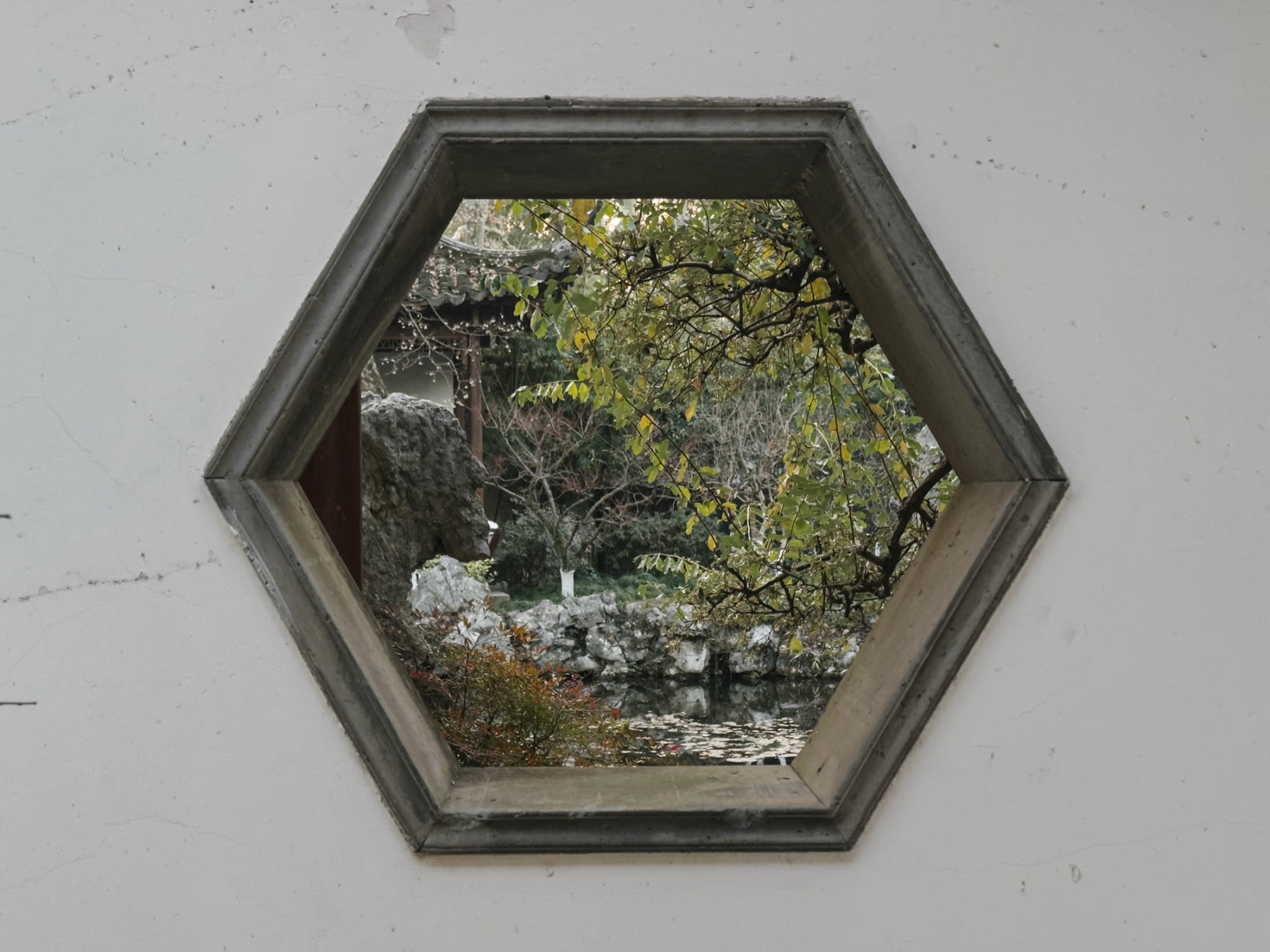
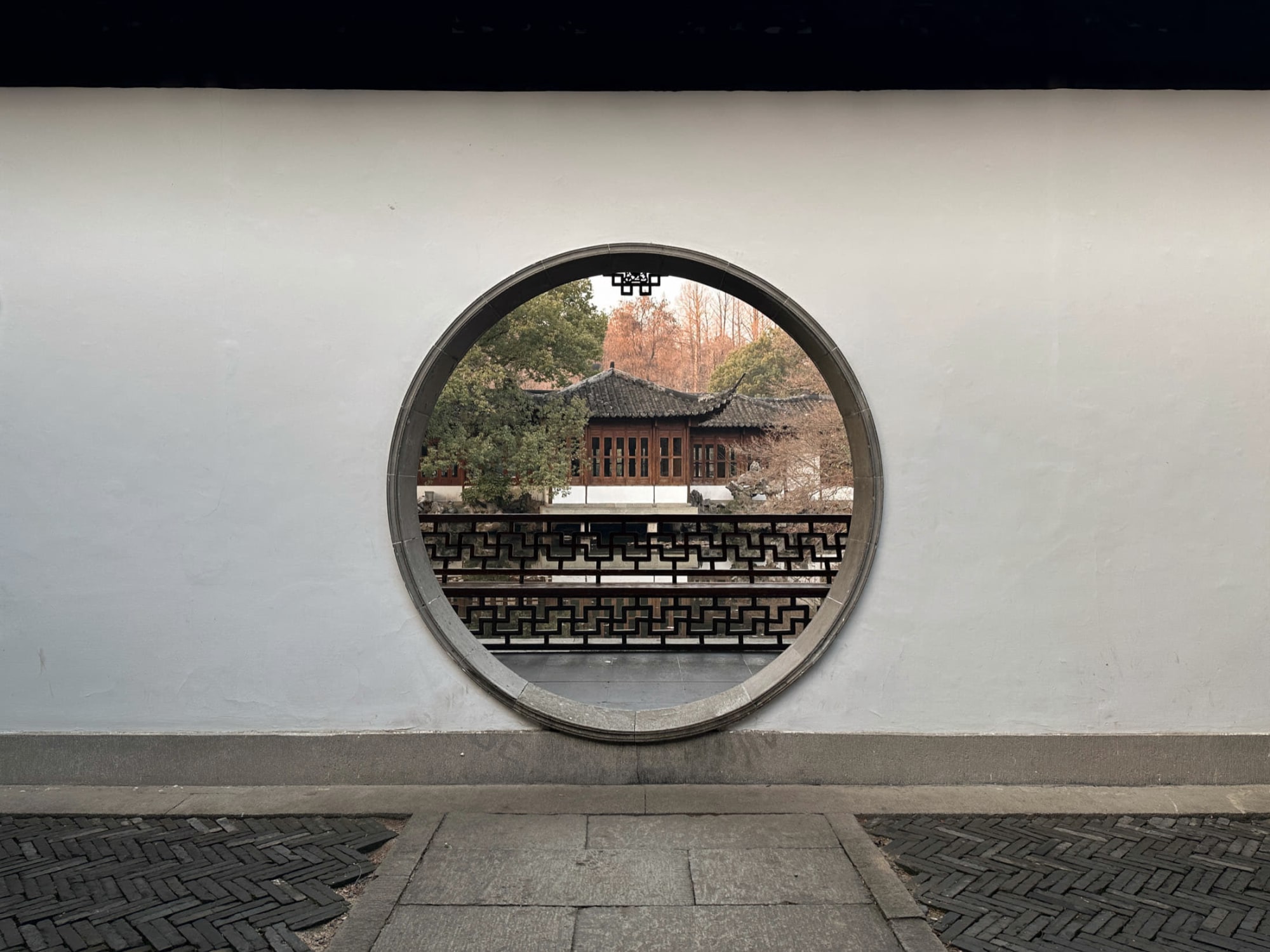
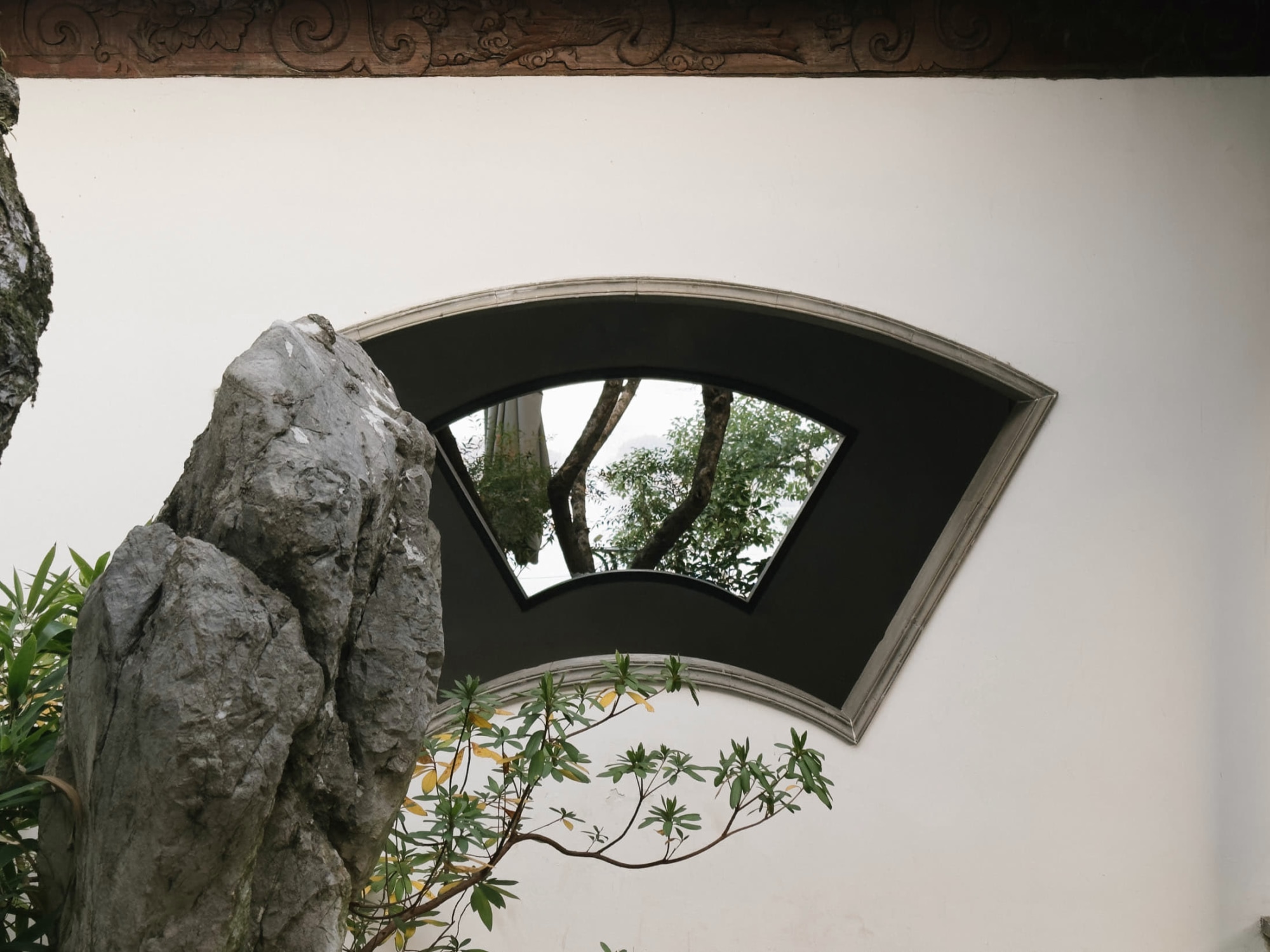
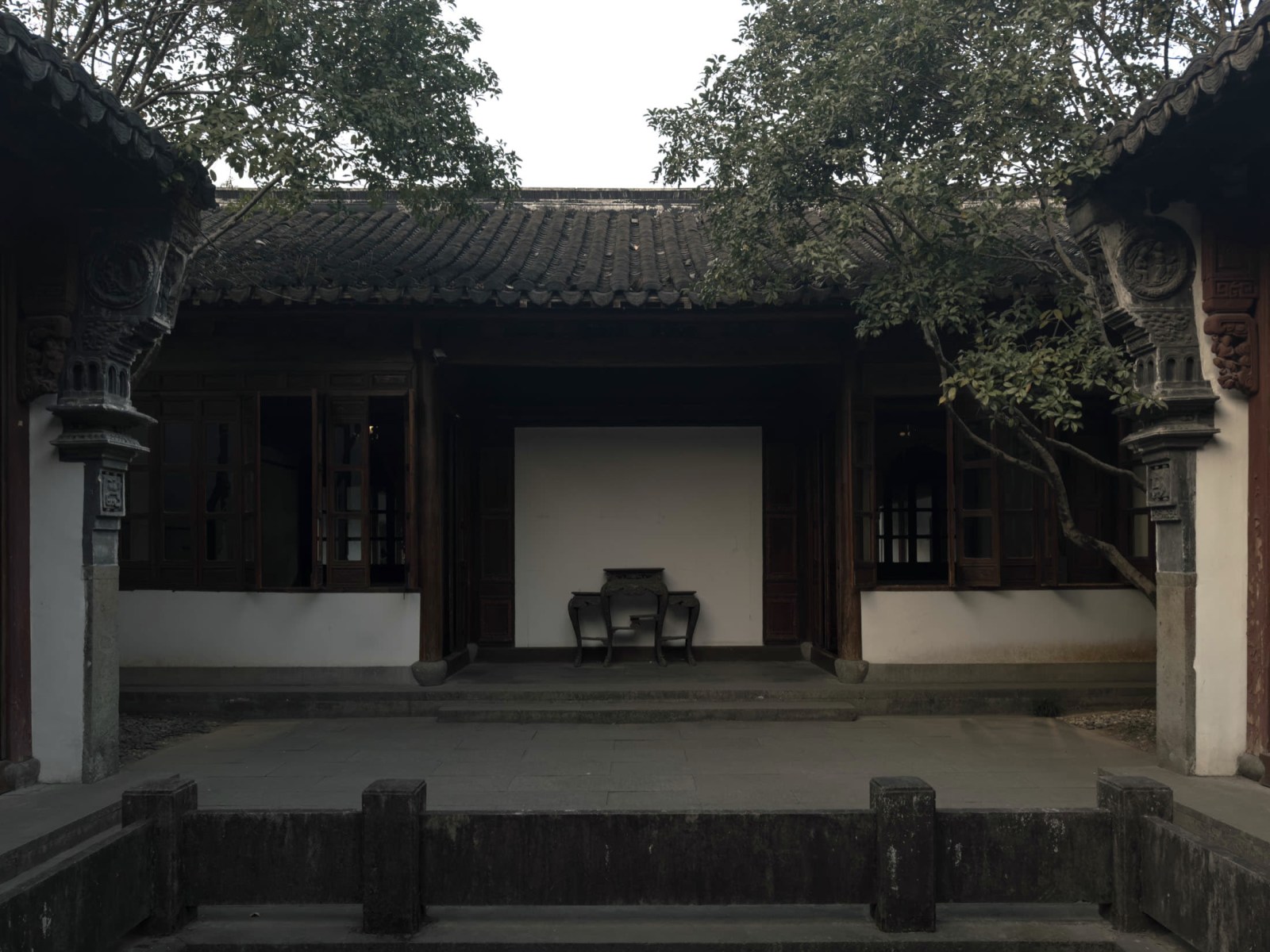
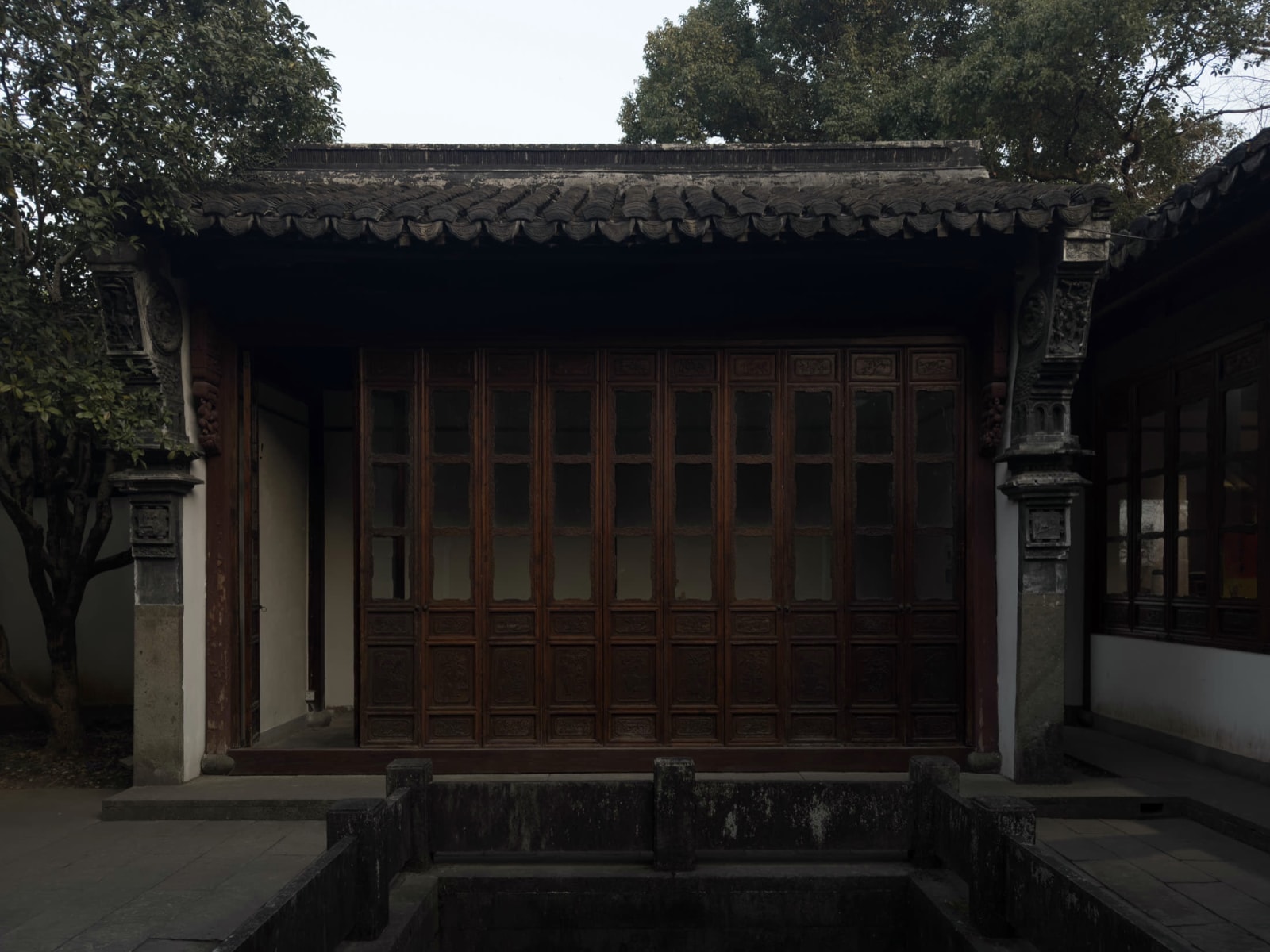
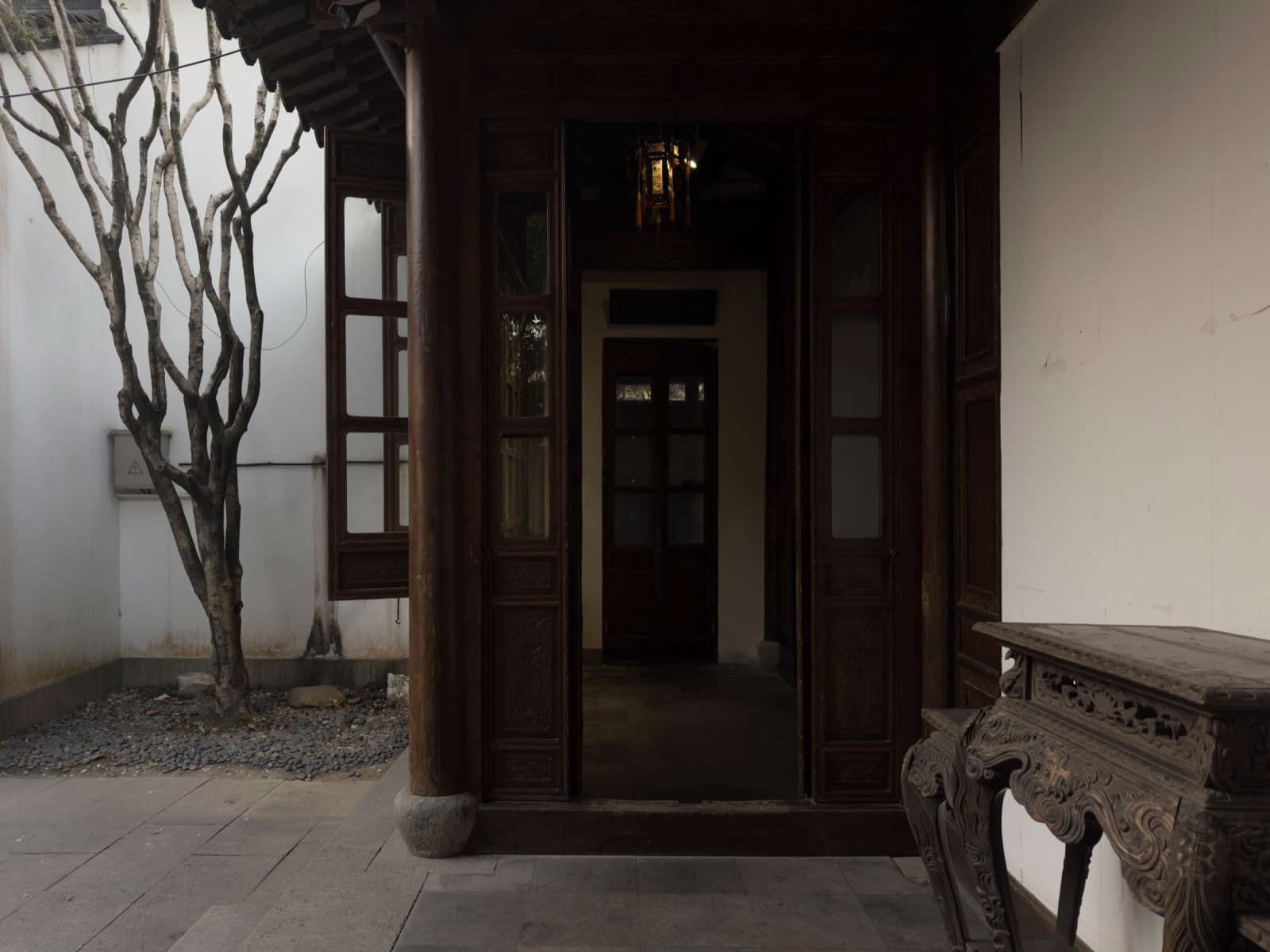
Guo's Villa (Guozhuang), originally named "Duanyou Villa," was built in 1851-61 by Song Duanfu, a wealthy silk merchant during the late Qing Dynasty. It embodies the classical Jiangnan garden typology, praised by garden expert Chen Congzhou as comparable to Suzhou's Master of Nets Garden. The villa's spatial strategy is structured around two distinct zones: "Living in Quietness" (residential courtyard) and "Sky in the Mirror" (garden section). What distinguishes it is the integration of water as the primary spatial armature—internal ponds are hydraulically connected to West Lake, allowing tidal fluctuations to animate the garden's aquatic elements. The design employs "borrowed scenery," carefully framing distant views of the Su Causeway and surrounding hills through strategically positioned pavilions and covered corridors. After a 1989-91 restoration, it reopened as a public cultural artifact demonstrating traditional Chinese garden philosophy: the synthesis of architecture, water, rock, and vegetation into a "living painting."
郭庄
中国 杭州
1851~1861年
郭庄原名"端友别墅",由清末富商宋端甫于1851-61年间建造,后由丝绸实业家郭士林购入并更名。它代表了典型的江南私家园林类型学,被园林专家陈从周誉为可媲美苏州网师园。园林空间组织分为两个核心区域:"静必居"(居住庭院)与"一镜天开"(核心园区)。其关键在于以水为主要空间骨架——内部水体与西湖水系直接连通,使得潮汐变化得以驱动园中水景的动态演变。设计运用"借景"手法,通过精心定位的亭榭与游廊,框取苏堤与远山,将湖山纳入园林视域。郭庄于1989-91年修复后重新开放,成为展示中国传统园林哲学的公共文化遗产:建筑、水体、假山与植物的综合性构建,形成一幅"可居可游"的立体山水画卷。