Haus des Rundfunks
Berlin, Germany
1929~1931
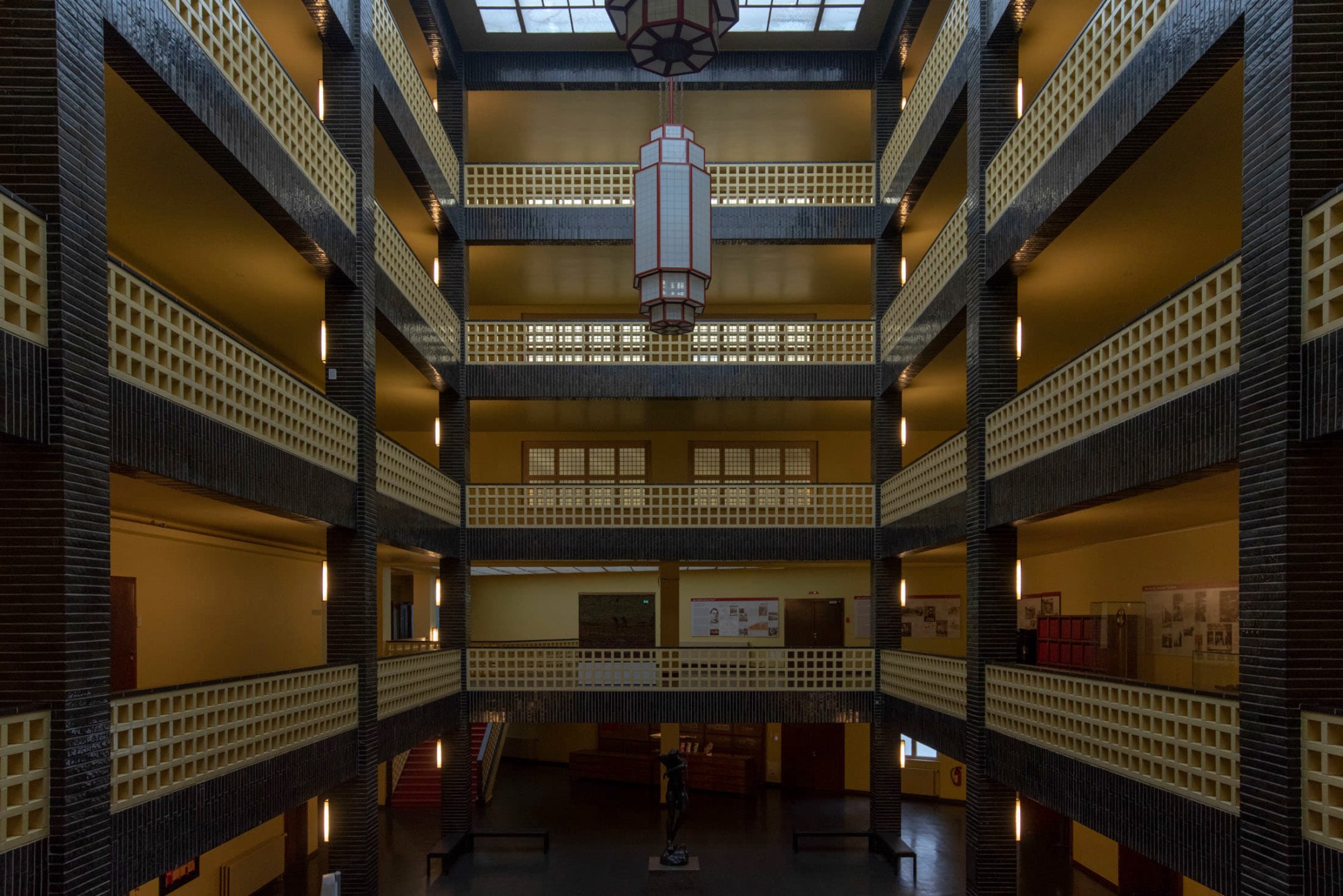
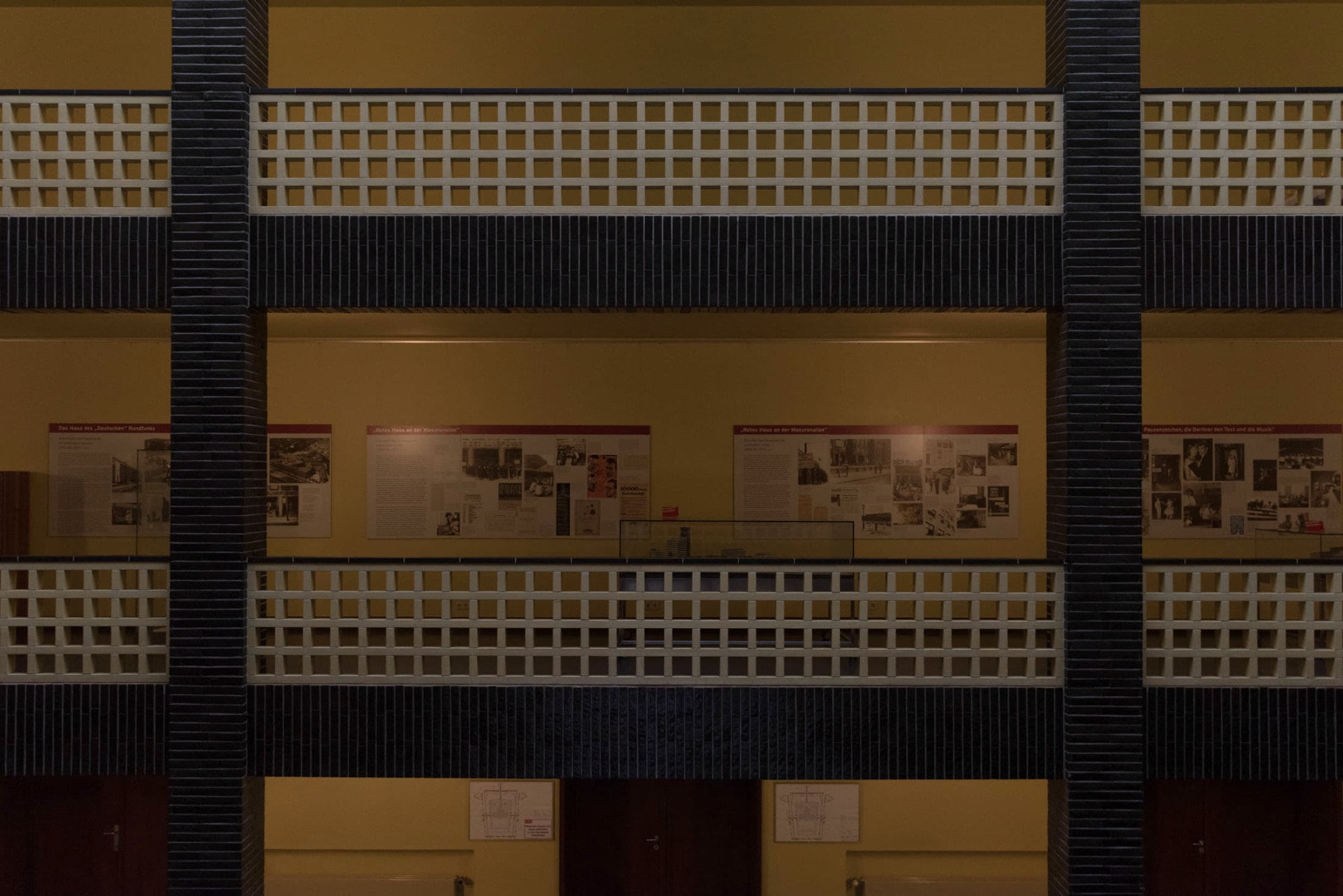
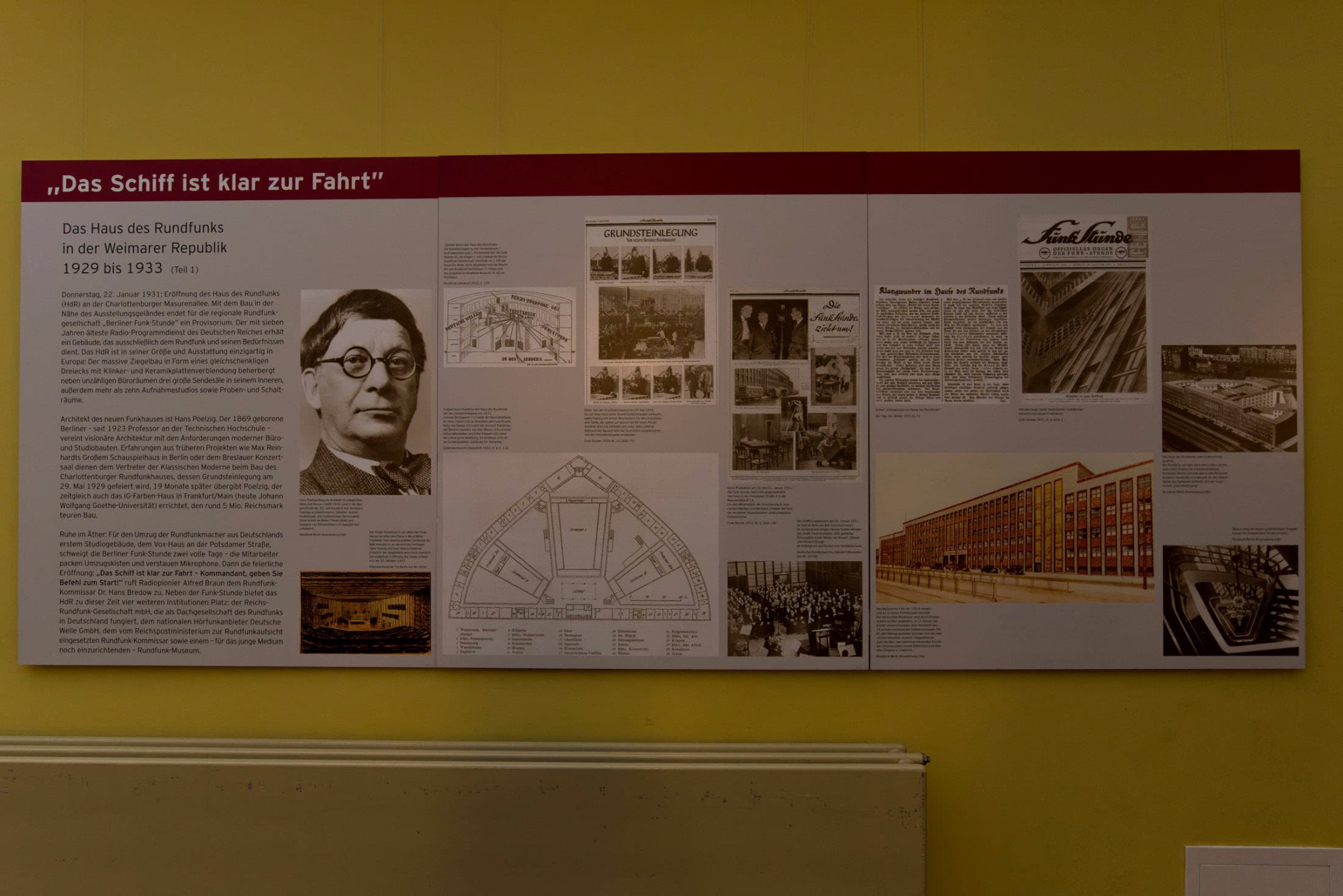
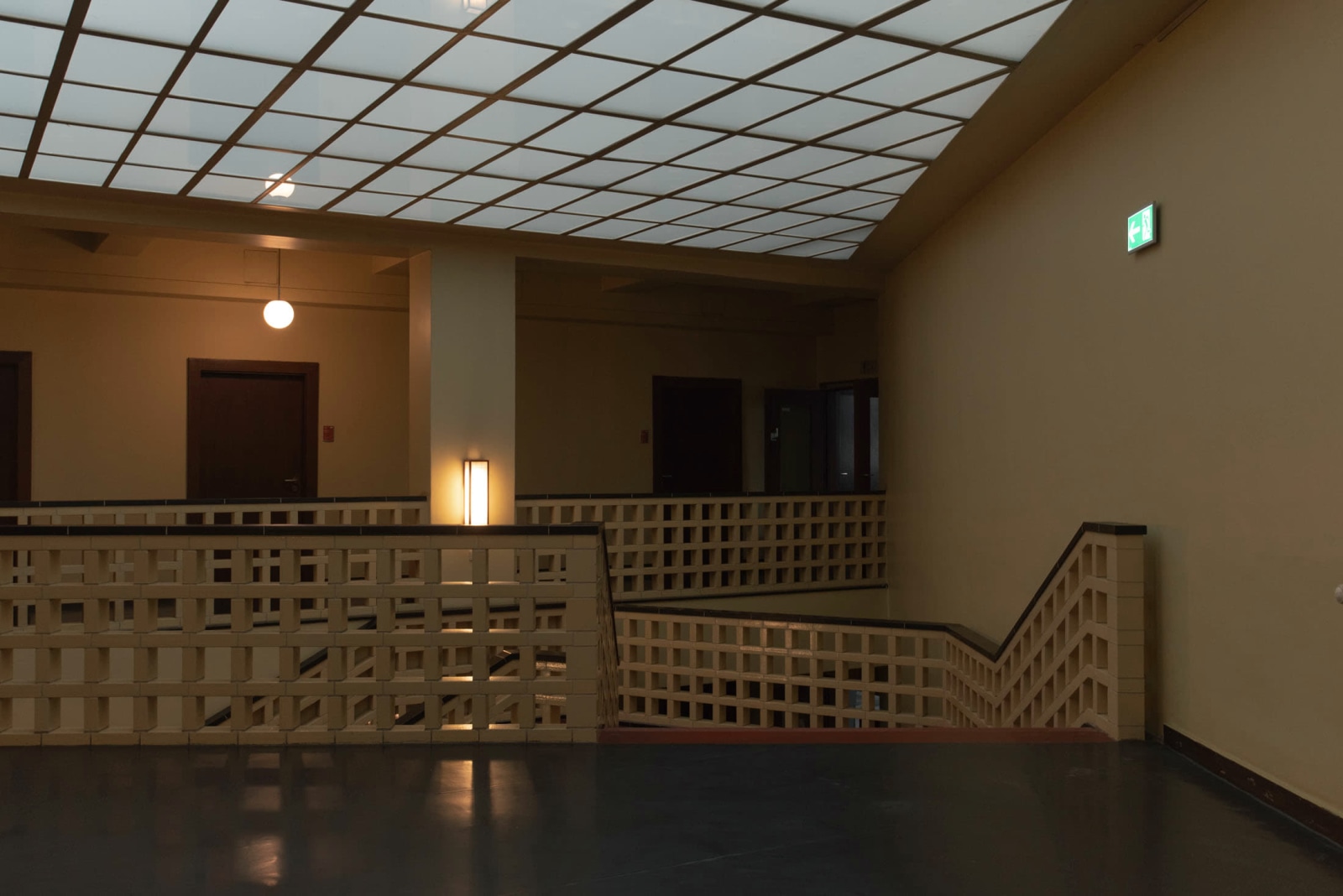
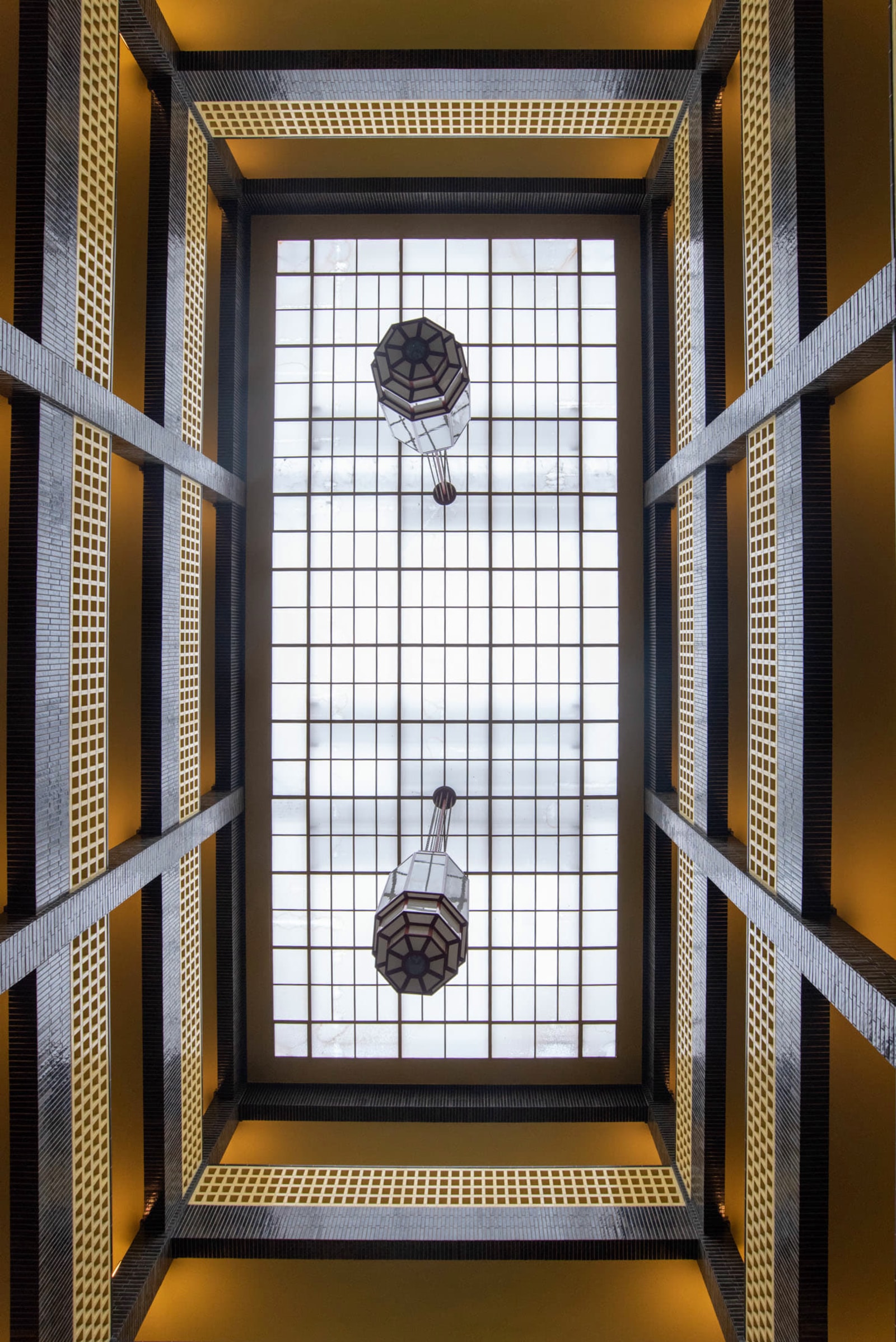
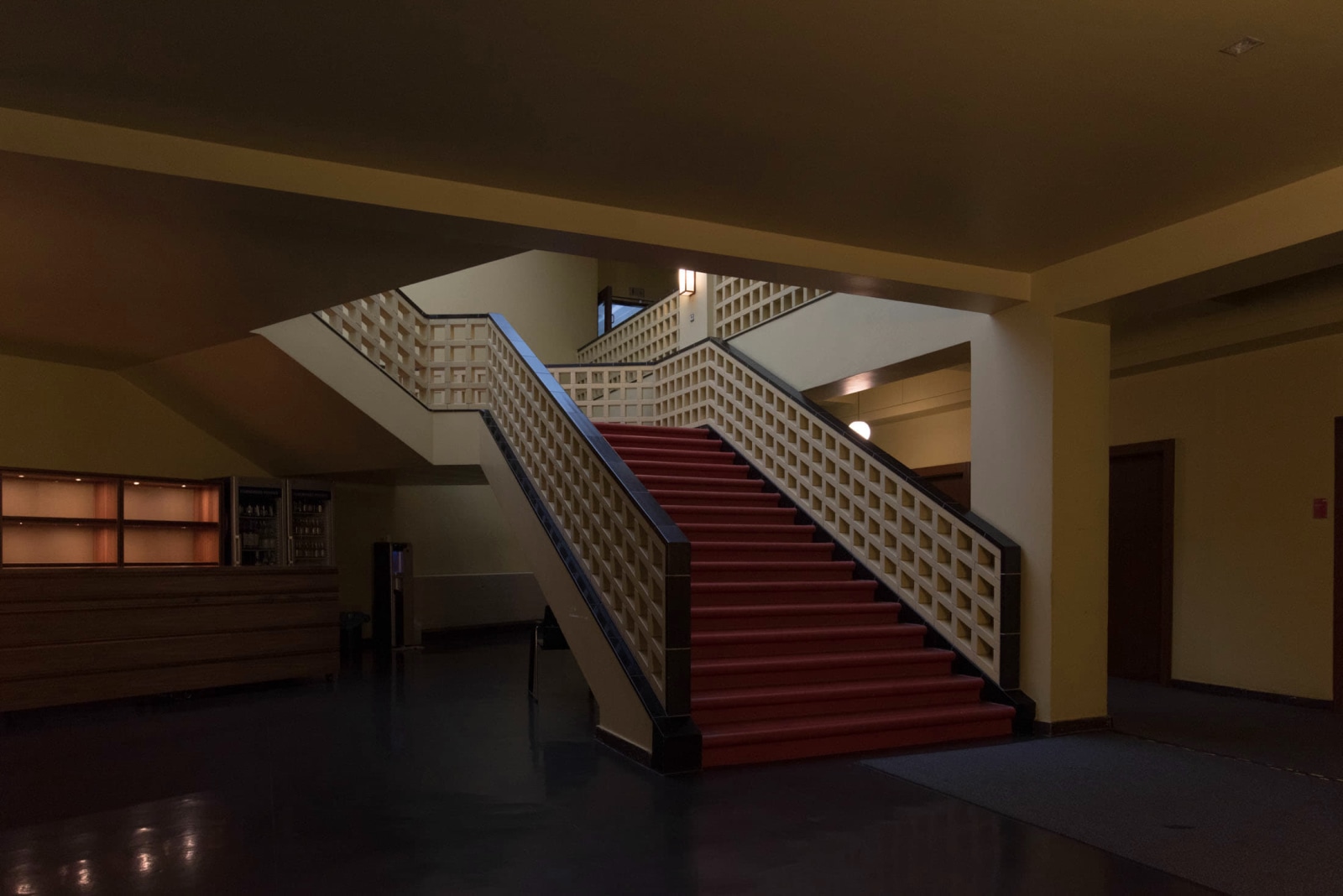
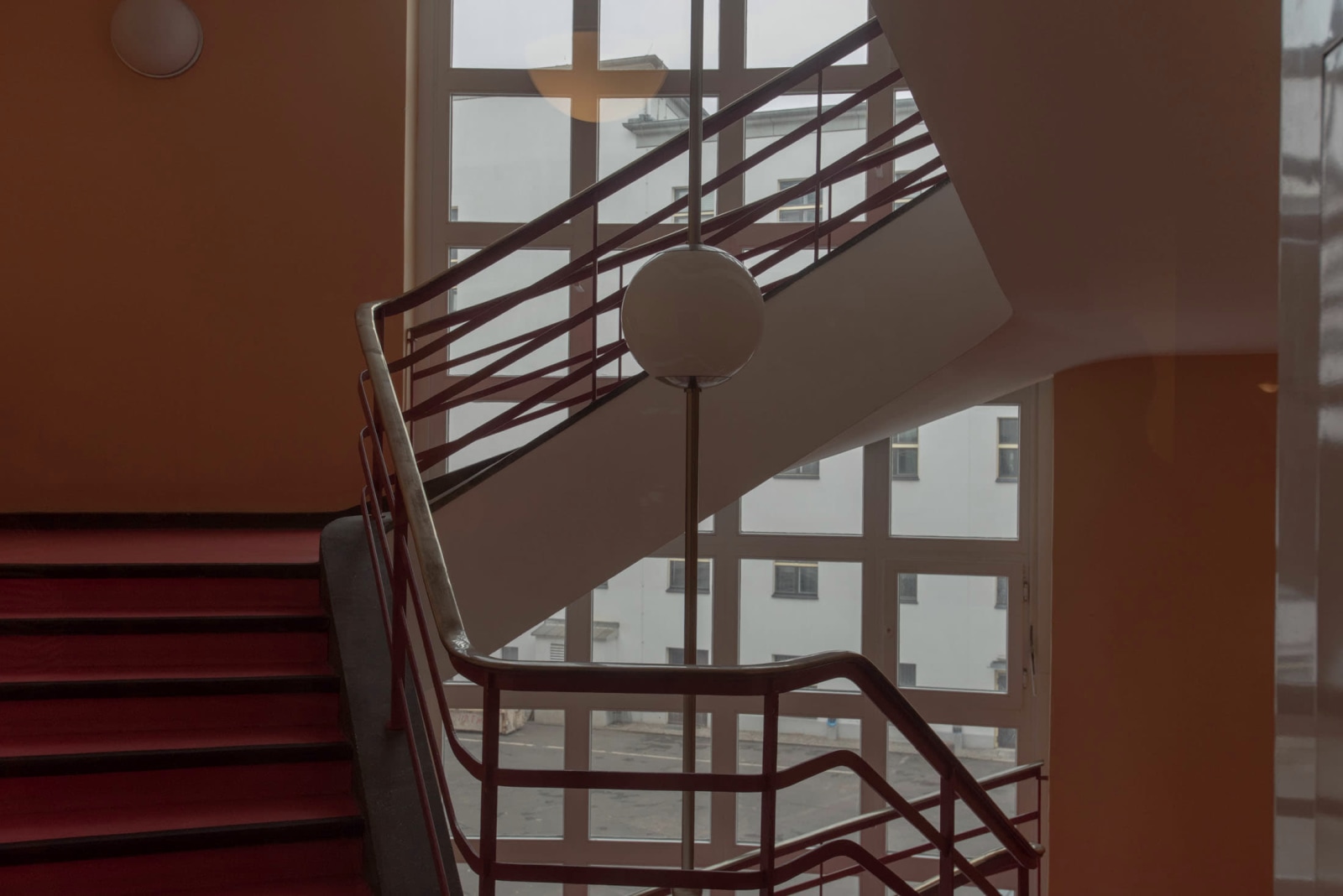
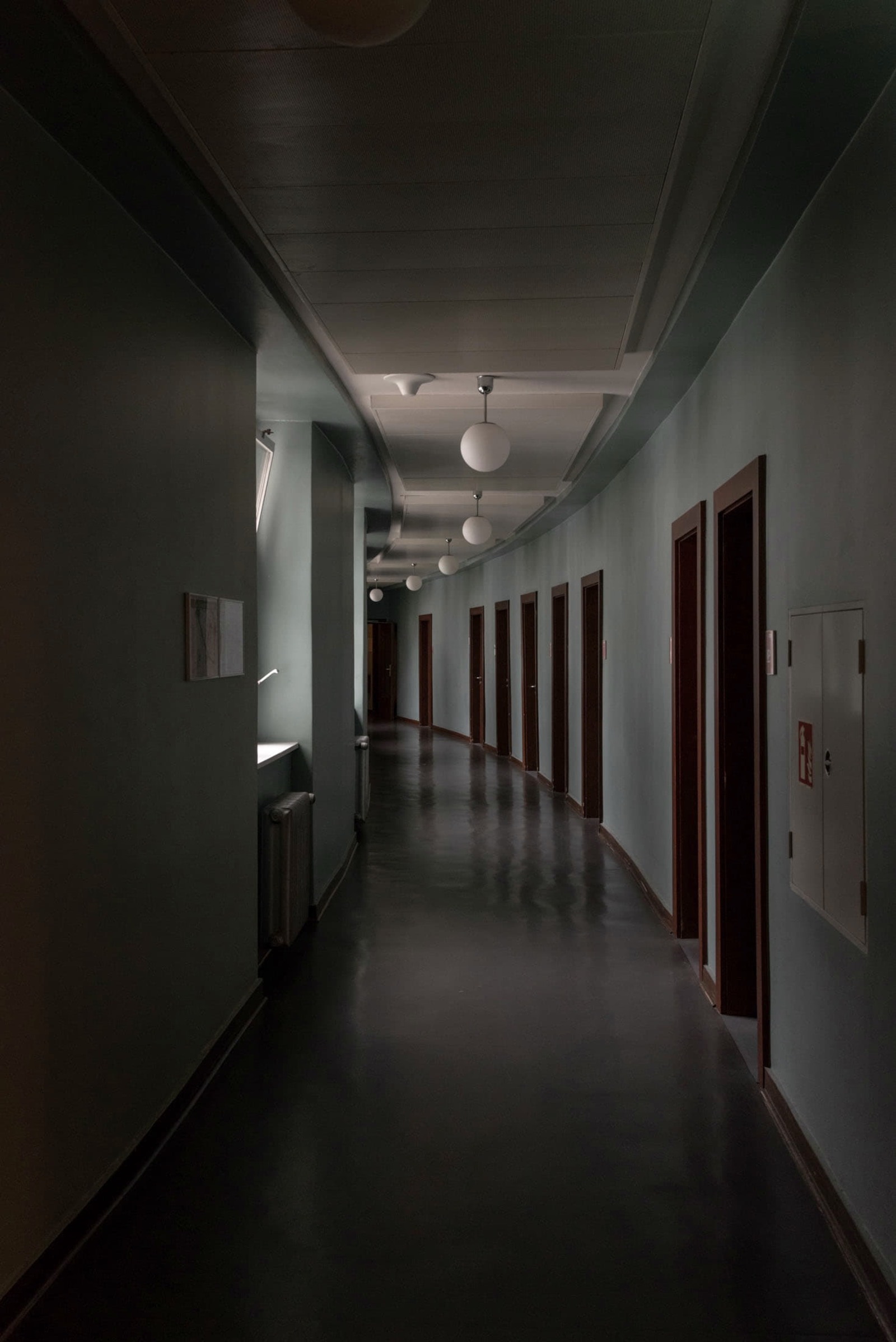
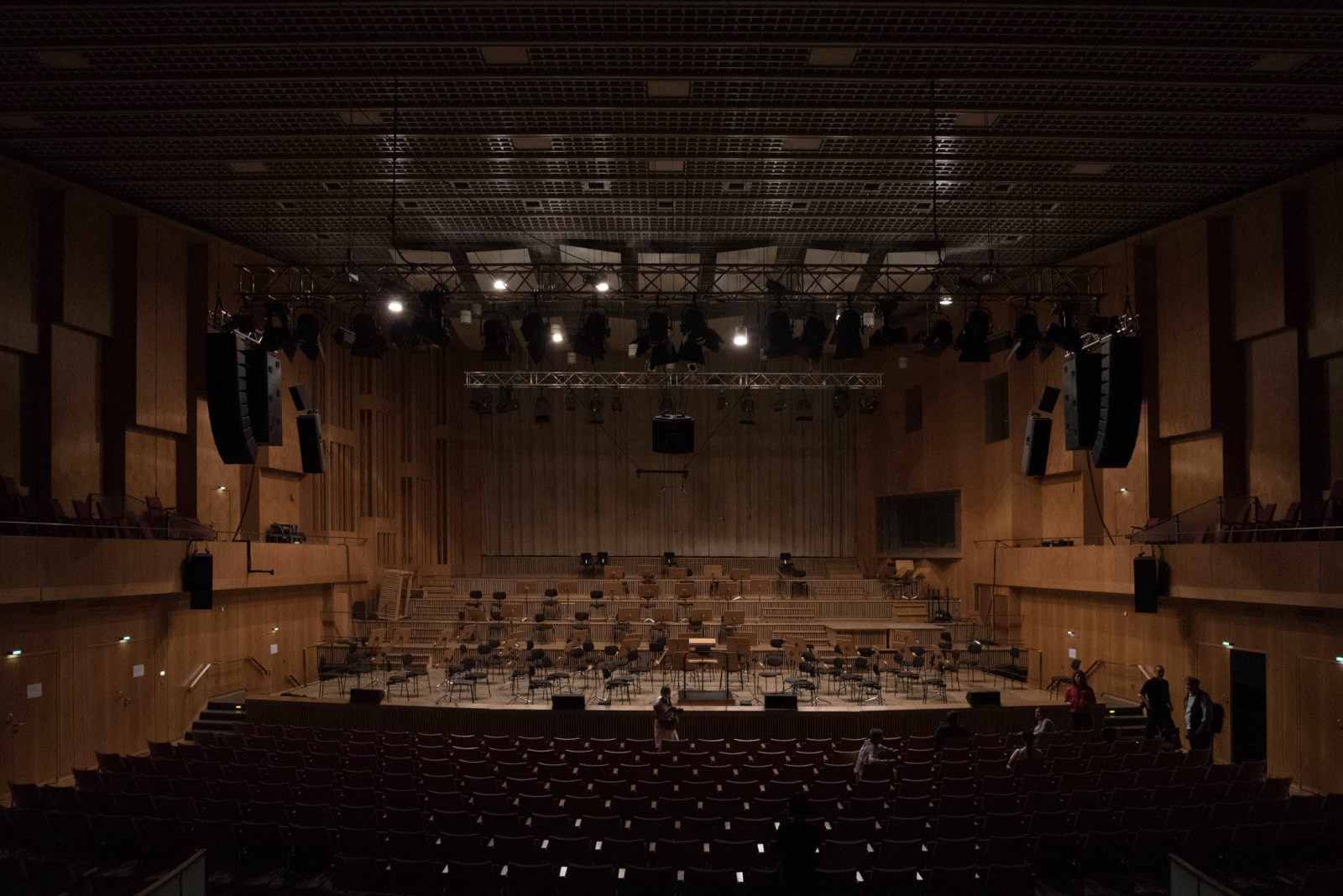
Hans Poelzig's Haus des Rundfunks (1929-31) is a masterpiece of acoustic functionalism wrapped in the dark, mysterious aura of Brick Expressionism. As the world's first self-contained broadcasting center, its triangular plan is a direct response to the technical demands of early radio: the office wings shield the central studios from street noise, creating a "fortress of sound." The exterior's somber red-brown ceramic and clinker cladding belies the vibrant, technically sophisticated interior. The central atrium is a dramatic "distribution machine," where black pillars and yellow brick galleries create a cinematic verticality. Poelzig treated the entire building as an instrument, isolating studios on separate foundations to prevent vibration transmission. The design represents a synthesis of the "New Objectivity" function and Expressionist emotion, where the very materials—sound-absorbing fabrics, reflective wood, and massive masonry—serve both the ear and the eye.
柏林广播大楼
德国 柏林
1929~1931年
汉斯·波尔齐格设计的柏林广播大楼(1929-31)是声学功能主义的杰作,包裹在砖表现主义的深沉神秘氛围中。作为世界上第一座独立的广播中心,其三角形平面是对早期广播技术需求的直接回应:办公翼楼将中央演播室与街道噪音隔绝,构成了一座"声音堡垒"。外部沉郁的红褐色陶板与熟料砖覆层,掩映着内部充满活力且技术精密的内核。中央中庭是一个戏剧性的"分配机器",黑色柱子与黄色砖砌画廊营造出电影般的垂直感。波尔齐格将整座建筑视为一件乐器,将演播室置于独立的地基上以阻断振动传输。该设计代表了"新客观主义"功能与表现主义情感的综合,吸音织物、反射木材与厚重砌体等材料,同时服务于听觉与视觉。内部空间如同《大都会》中的场景,展示了魏玛共和国时期对技术与艺术融合的极致追求。