
Staatsbibliothek zu Berlin
Berlin, Germany
1967~1978
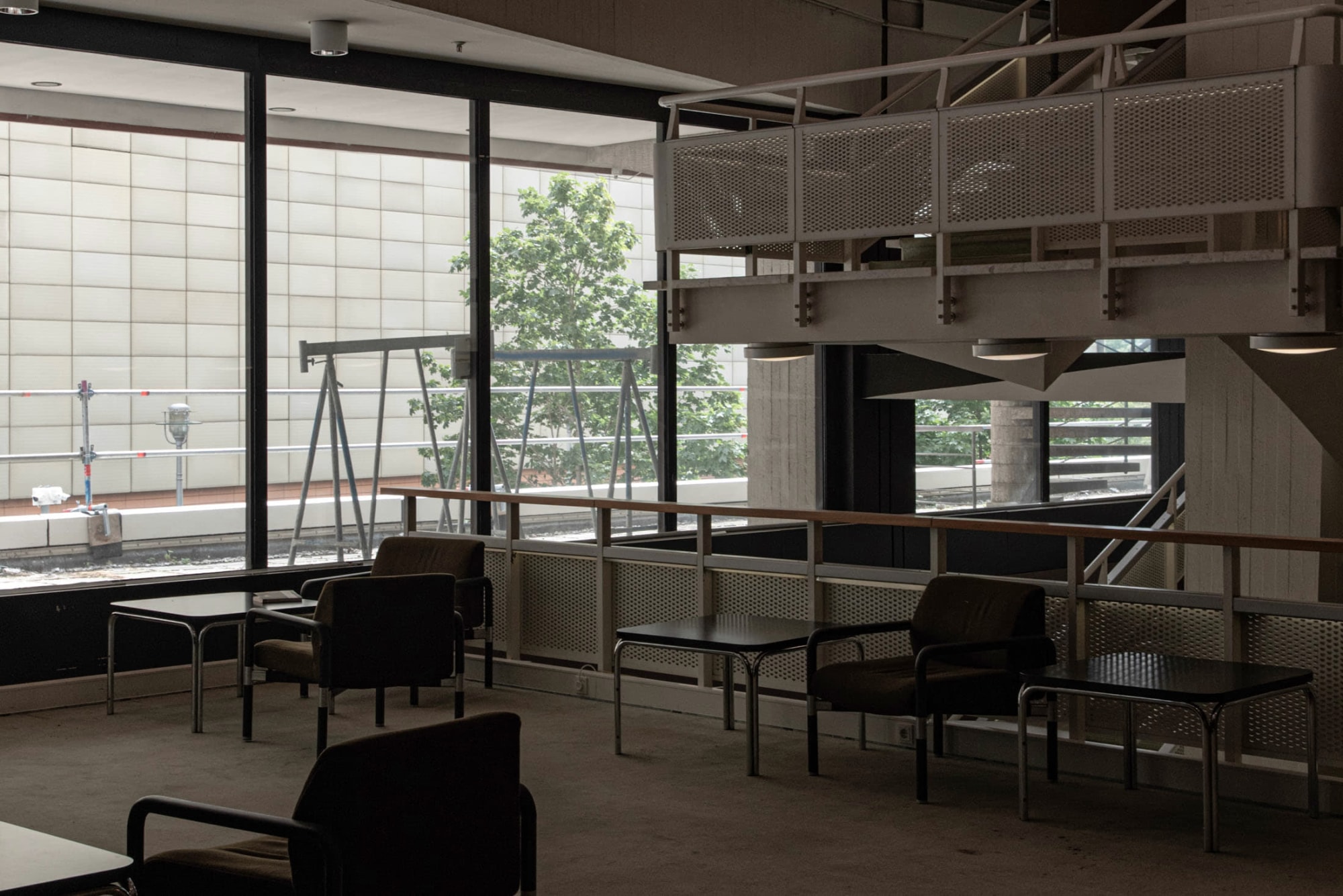
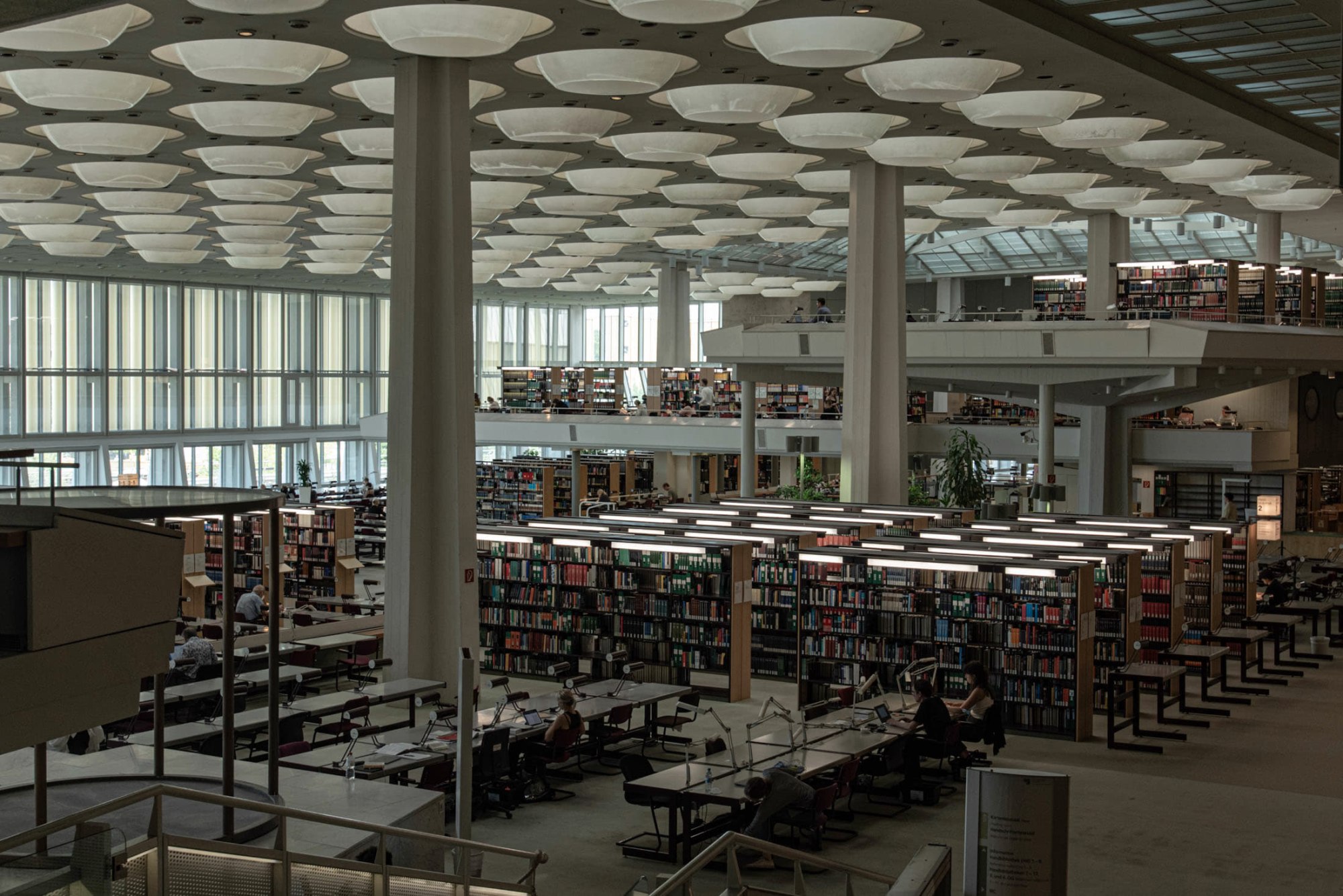
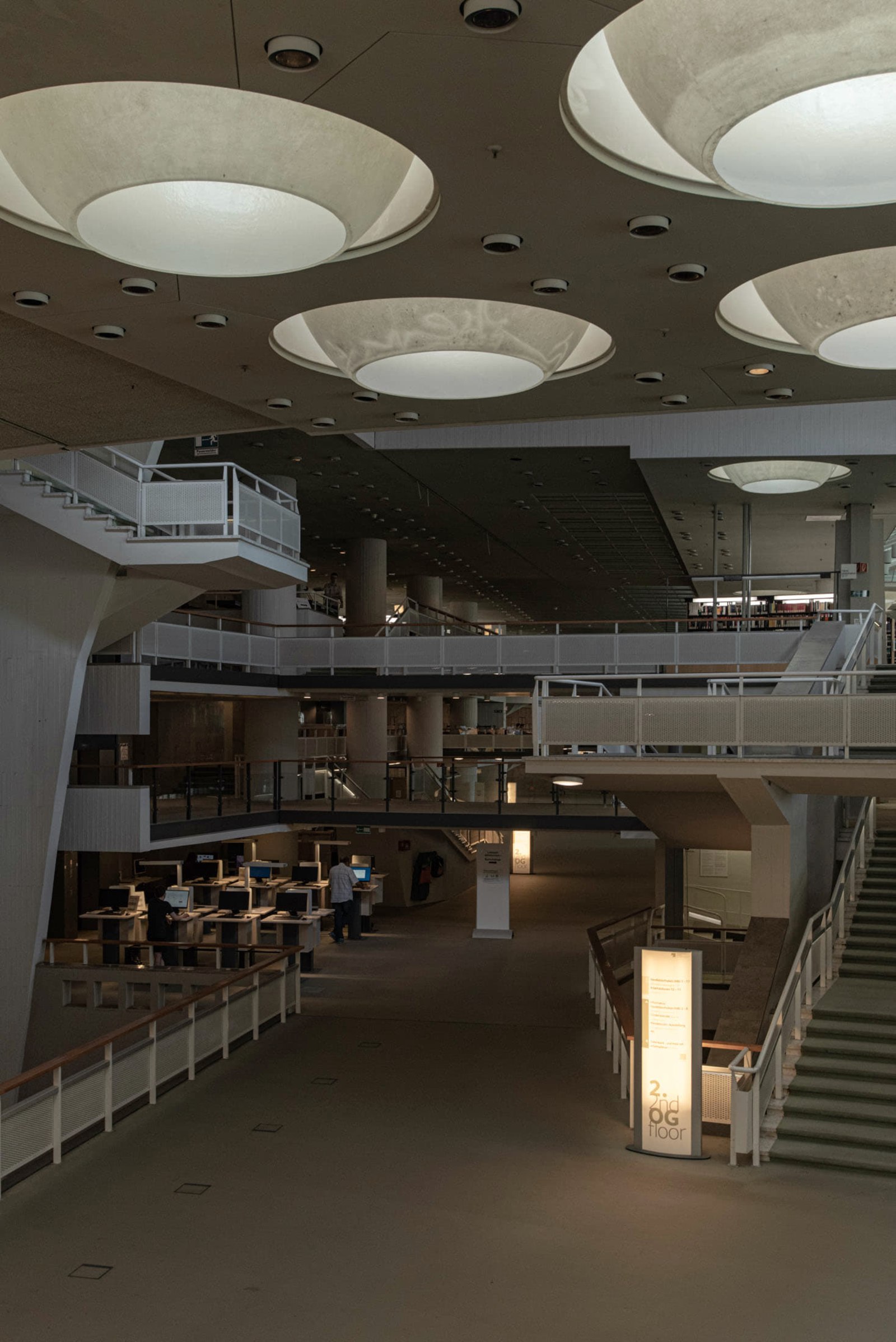
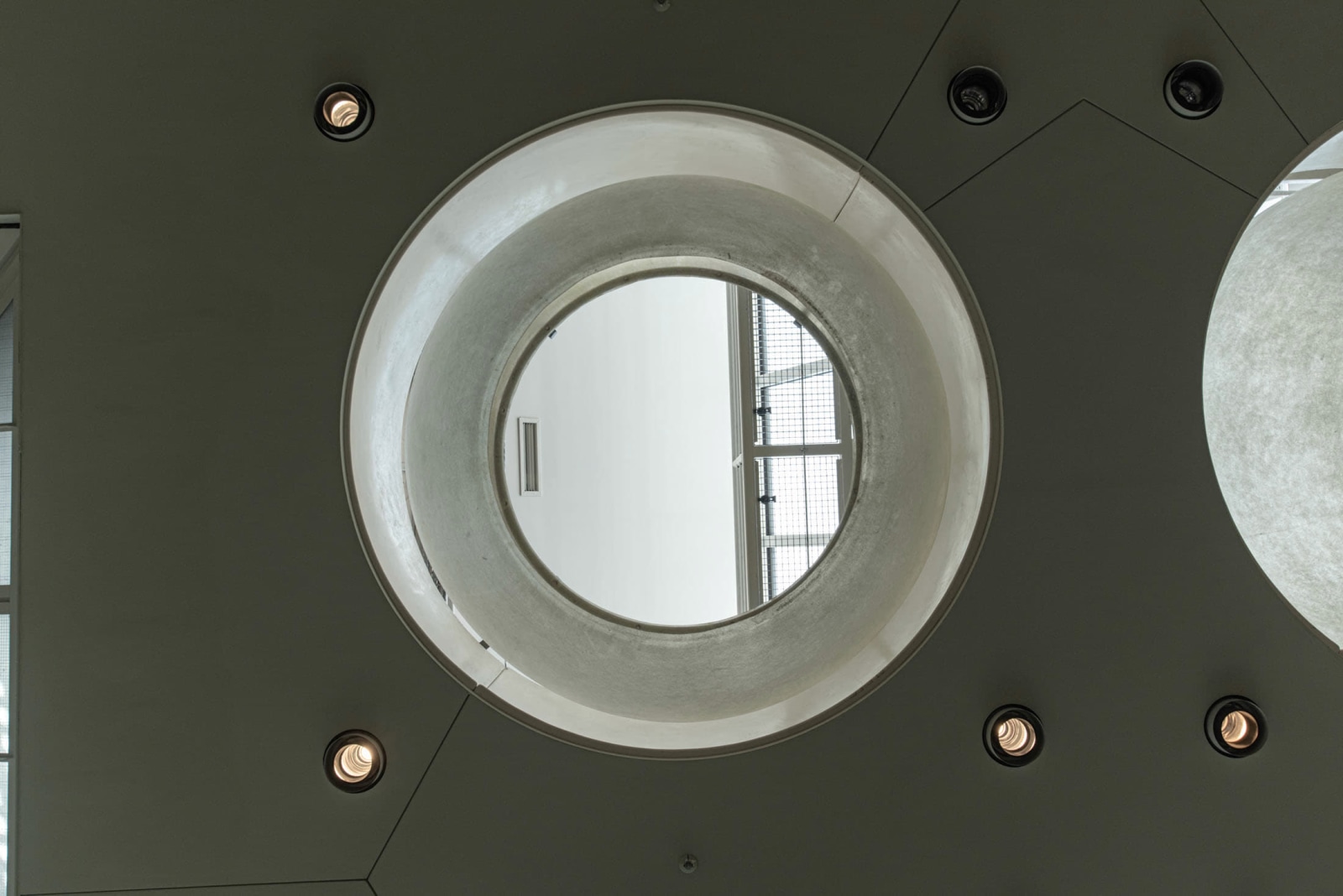
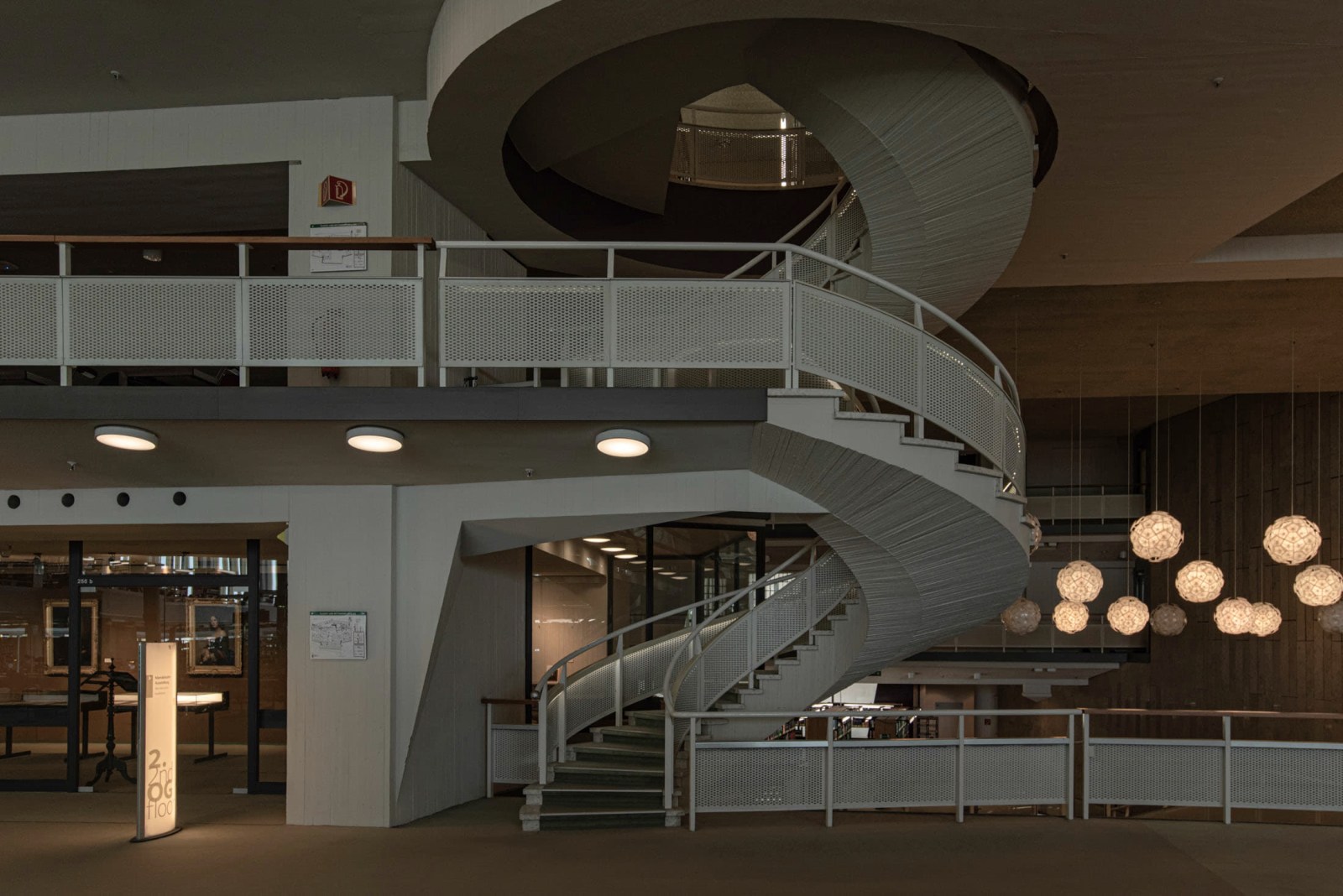
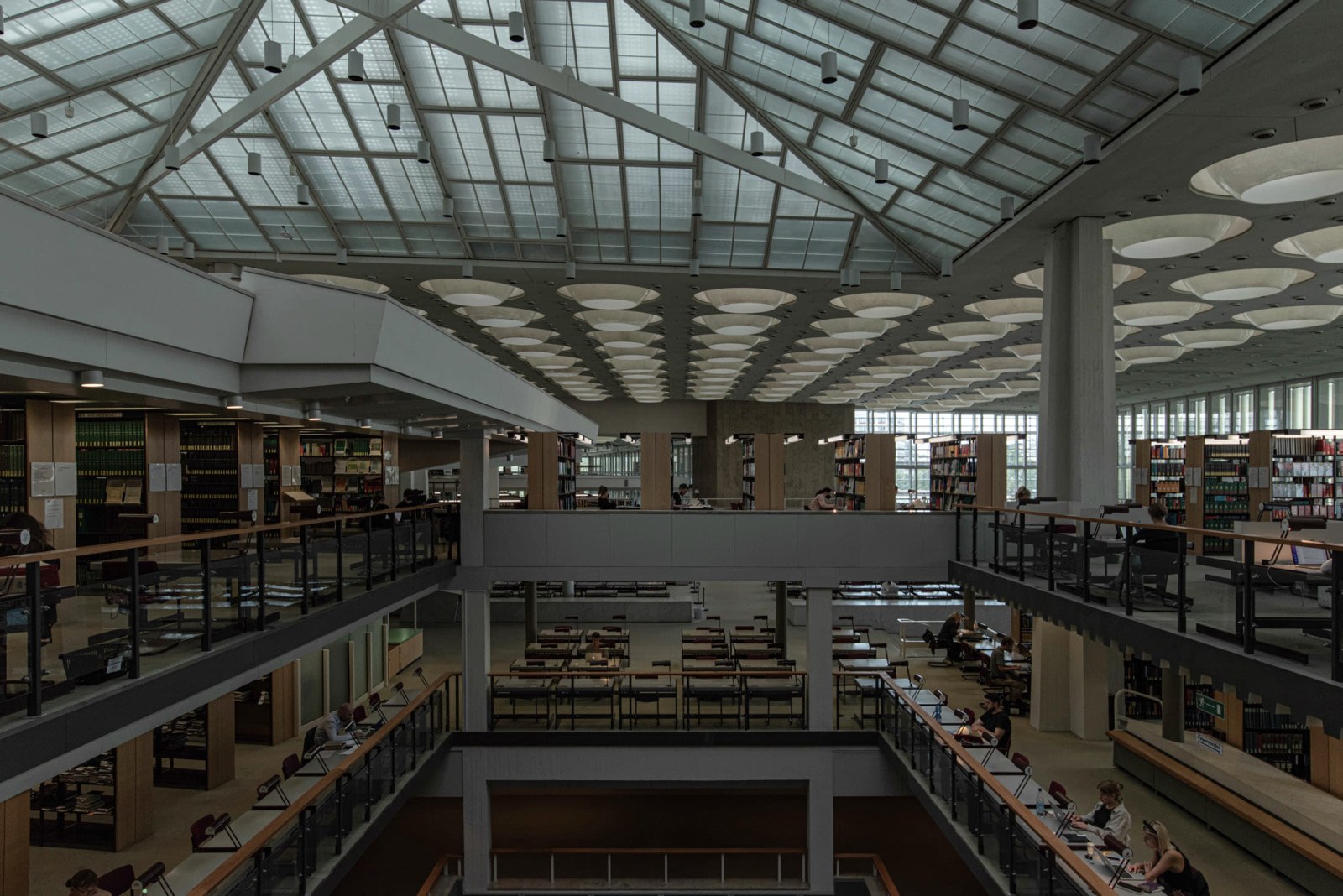
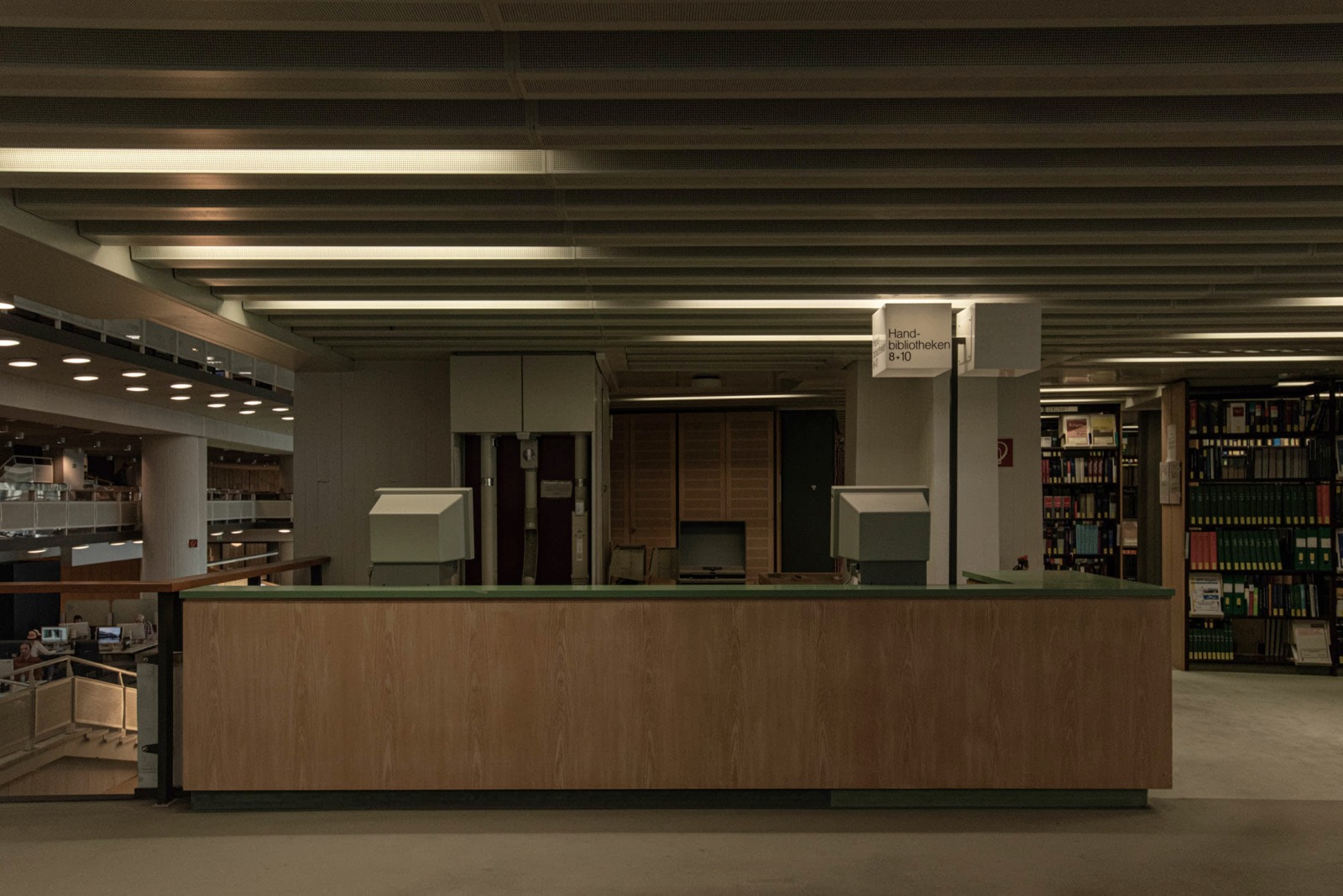
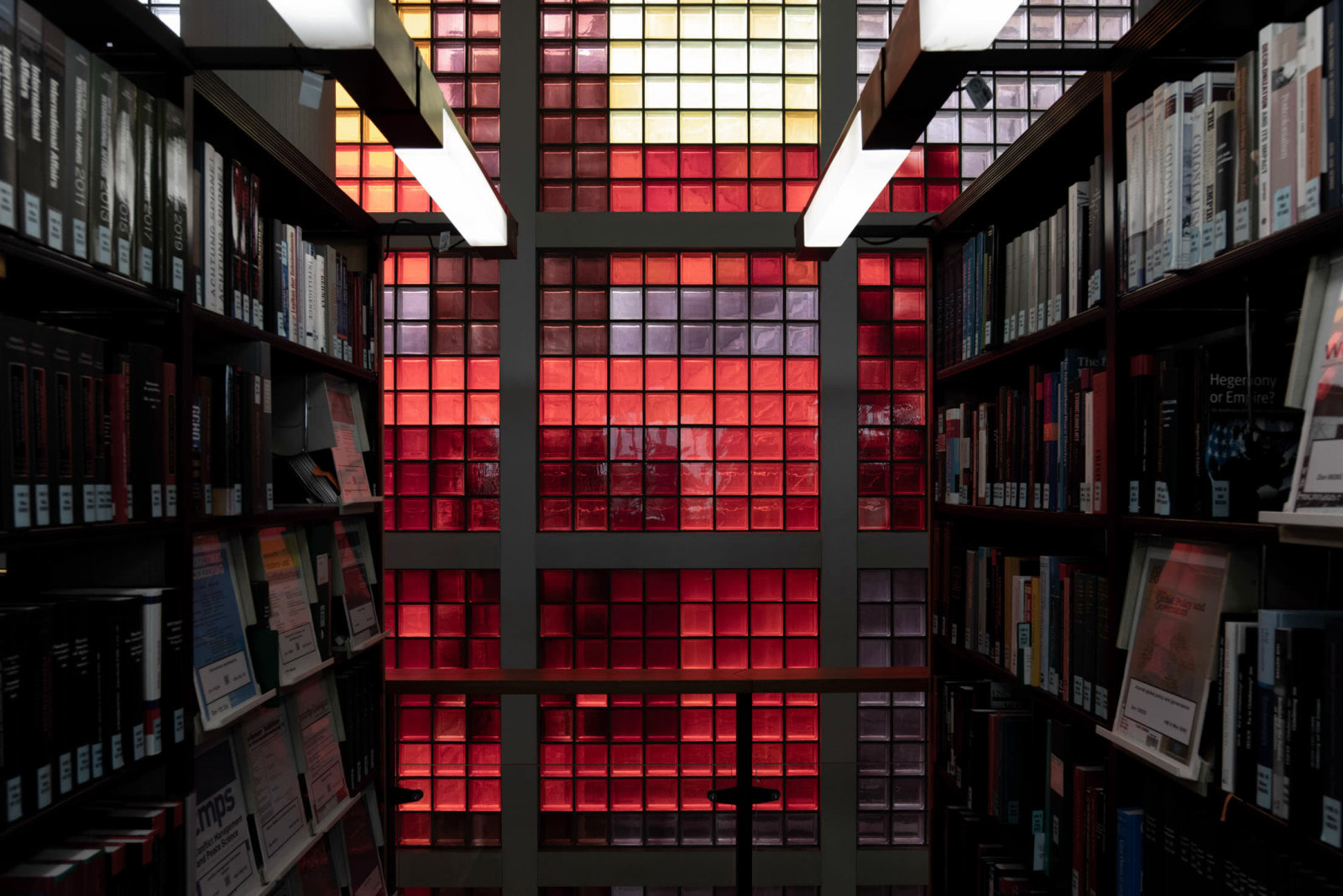
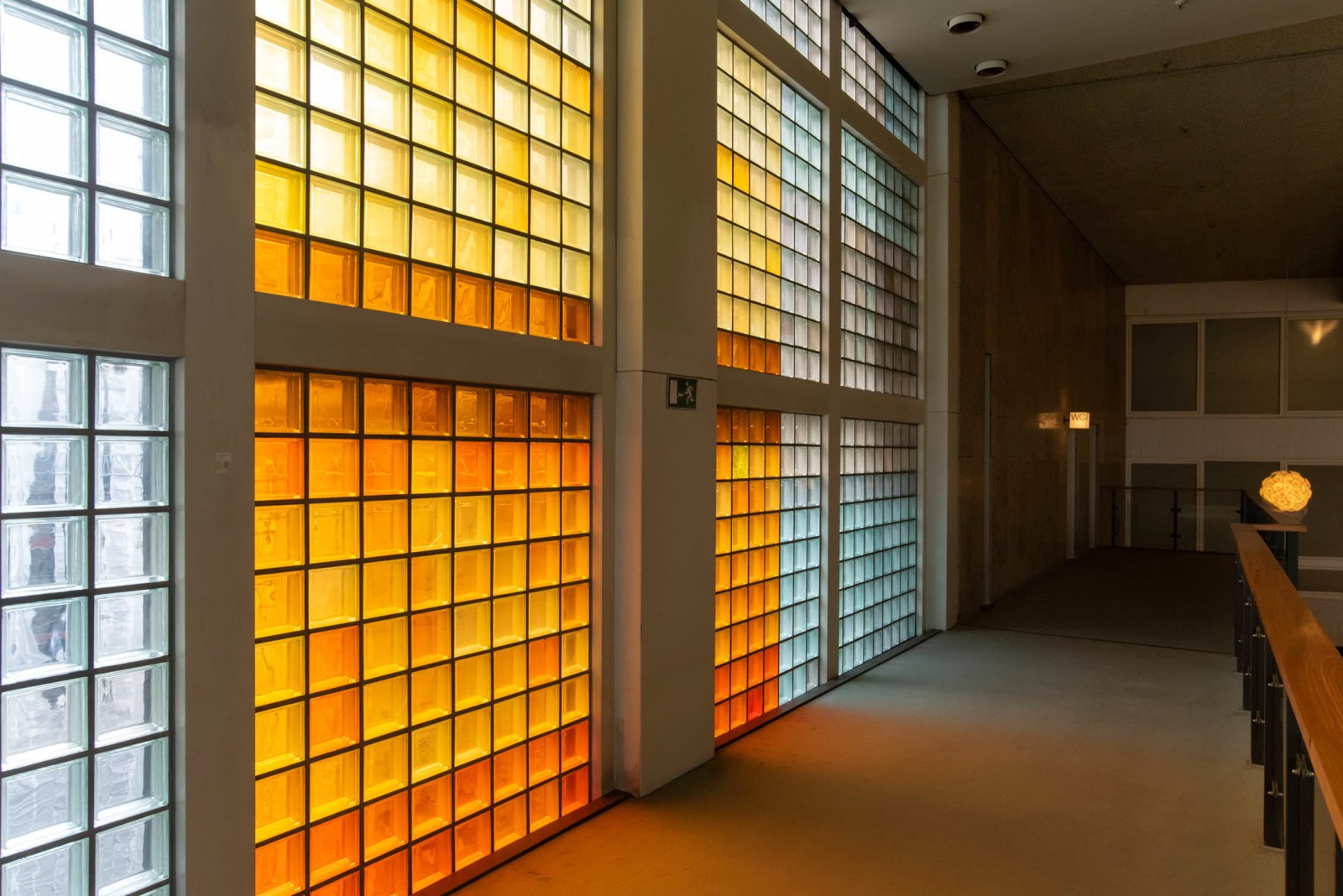
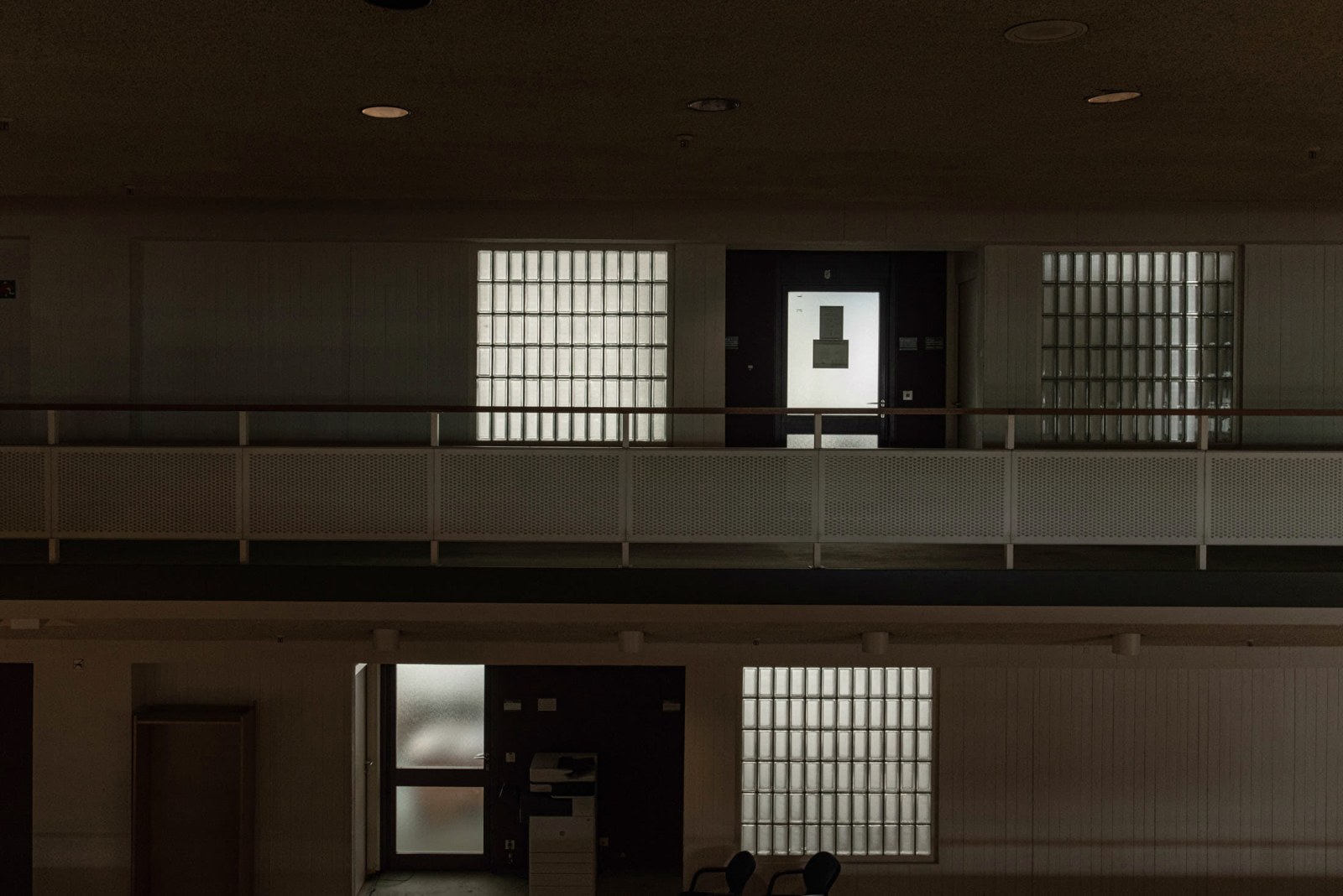
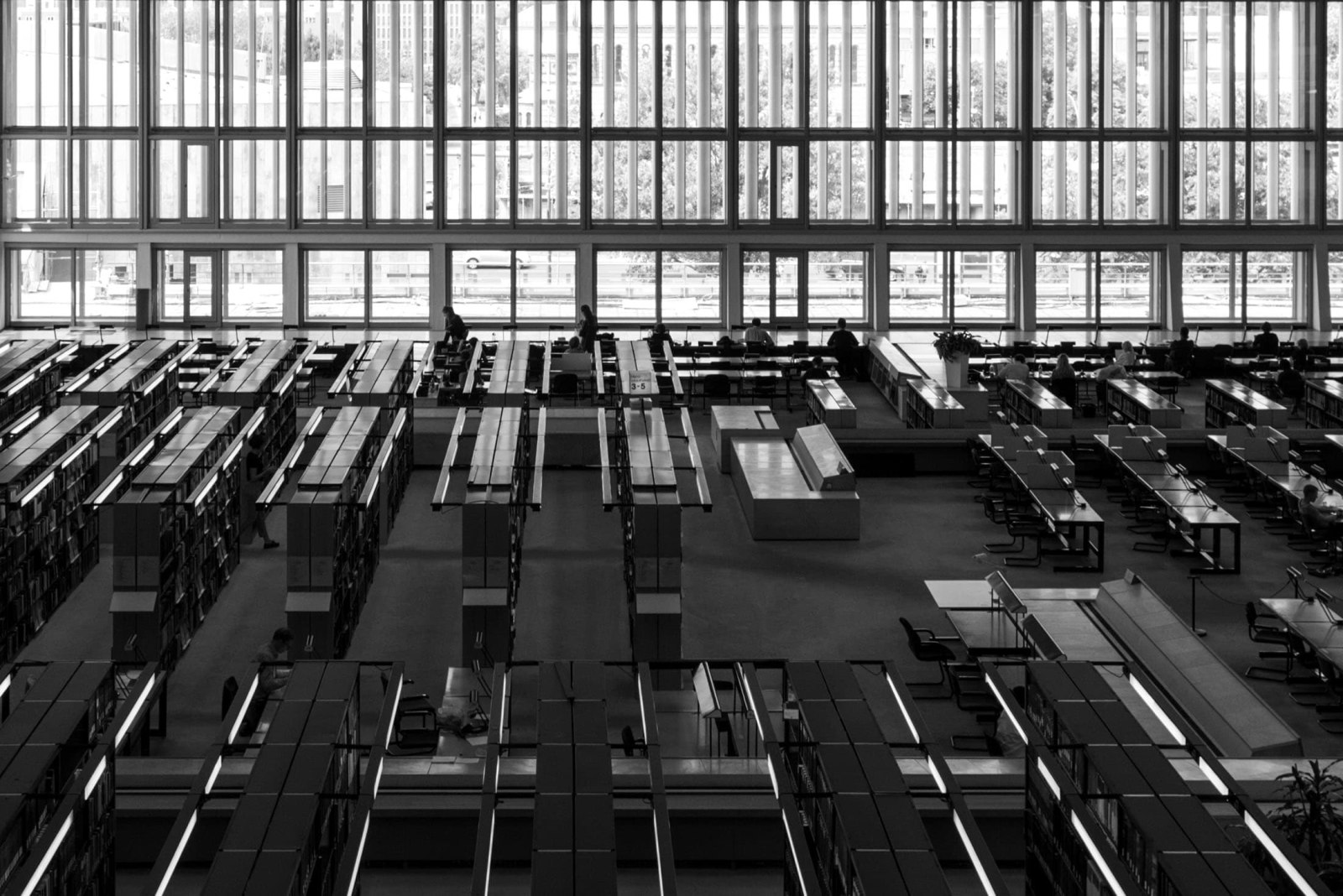
Hans Scharoun's Staatsbibliothek (1967-78), completed posthumously by Edgar Wisniewski, is a seminal work of organic architecture and a geopolitical artifact of the Cold War. The 230-meter-long building won a 1964 competition to anchor West Berlin's Kulturforum, deliberately positioning its golden anodized aluminum facade—mirroring the adjacent Philharmonie—with minimal windows facing East Berlin, using the library's core as an acoustic and symbolic buffer against the Wall. The design rejects the traditional axial library typology. Scharoun conceived the interior as a "landscape of knowledge," a continuous terrain of terraced reading levels, cascading platforms, and open staircases that dissolve the hierarchy between user and collection. Natural light is orchestrated through a system of skylights and glass pyramids, supplemented by colored glass murals to modulate atmosphere. The building embodies Scharoun's humanist philosophy: architecture as an extension of human activity, growing organically from an internal logic rather than an imposed geometric order.
柏林国家图书馆
德国 柏林
1967~1978年
汉斯·沙龙设计、埃德加·维斯涅夫斯基在其逝世后完成的柏林国家图书馆(1967-78),是有机建筑的里程碑之作,也是一件冷战地缘政治的建筑遗物。这座230米长的建筑在1964年竞赛中胜出,锚固西柏林文化论坛。其金色阳极氧化铝外墙与相邻的柏林爱乐音乐厅相呼应,面向东柏林一侧刻意减少窗户,以图书馆核心区作为抵御柏林墙的声学与象征性屏障。设计摒弃了传统图书馆的轴线类型学。沙龙将内部构想为一片"知识景观"——由阶梯式阅览层、层叠平台与开放楼梯构成的连续地形,消解了使用者与馆藏之间的等级关系。自然光通过天窗与玻璃金字塔系统引入,辅以彩色玻璃壁画调节空间氛围。该建筑体现了沙龙的人本主义哲学:建筑作为人类活动的延伸,从内在逻辑有机生长,而非服从于强加的几何秩序。