Benedictine Monastery of Catania
Catania, Italy
1962~1983
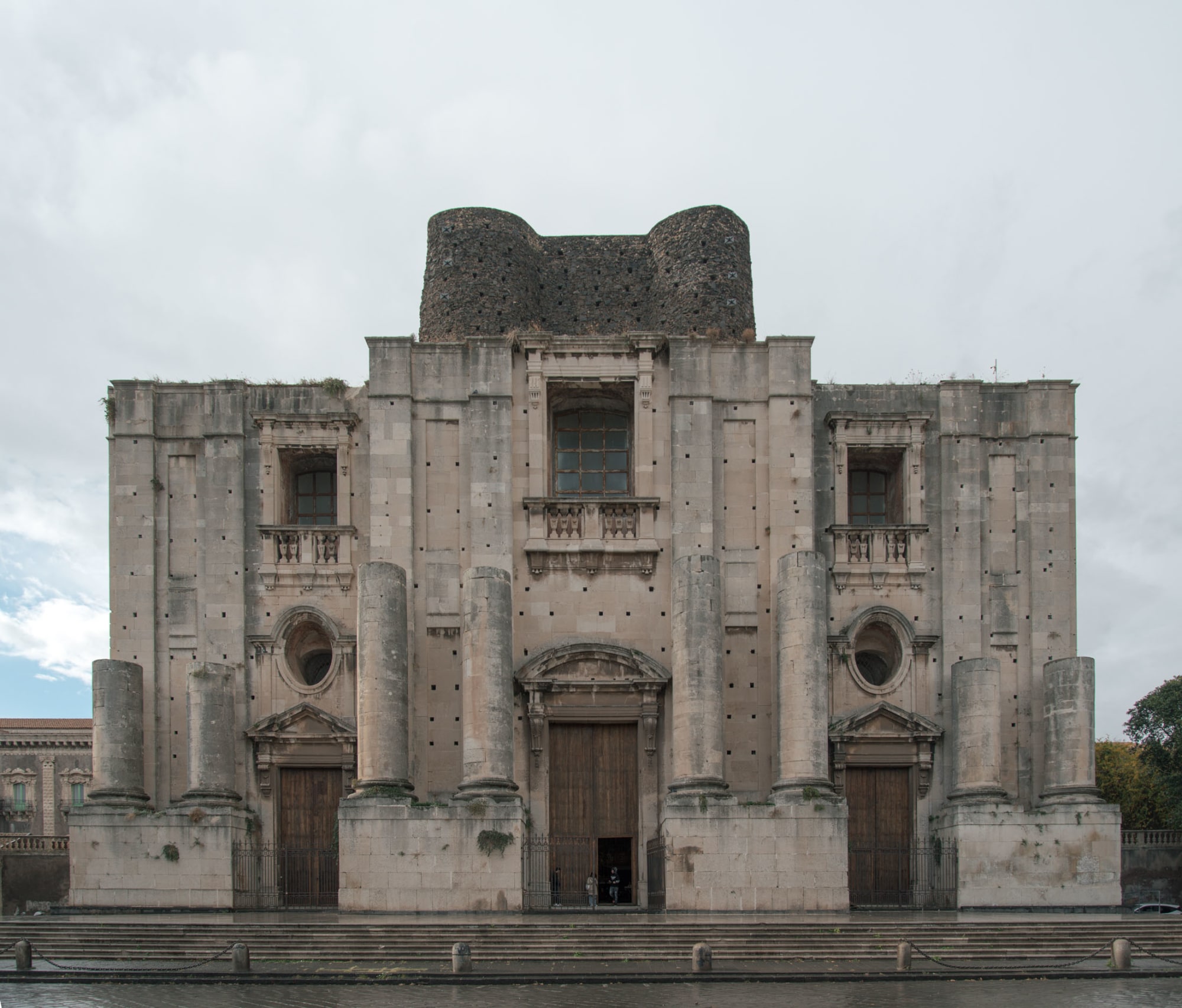
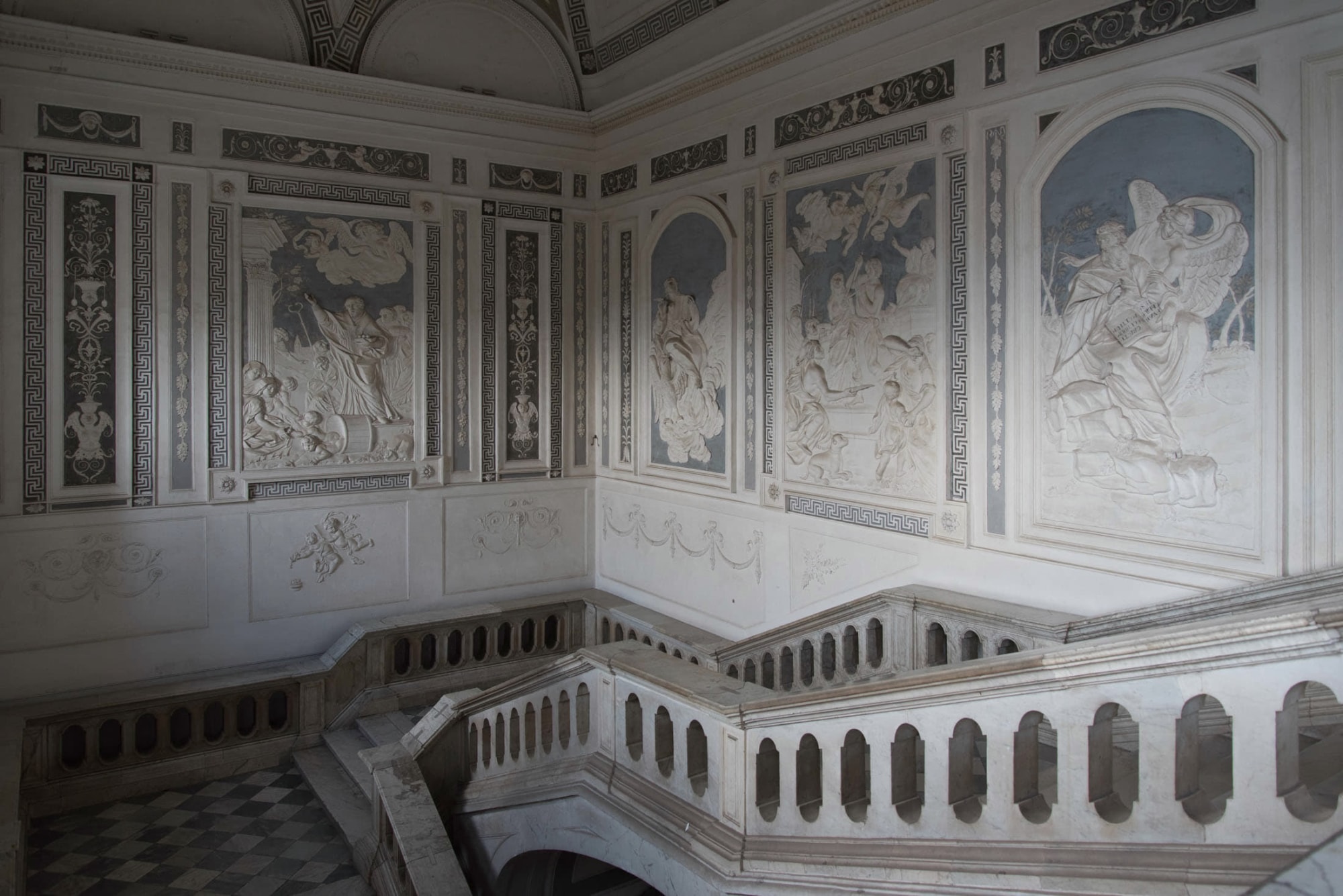
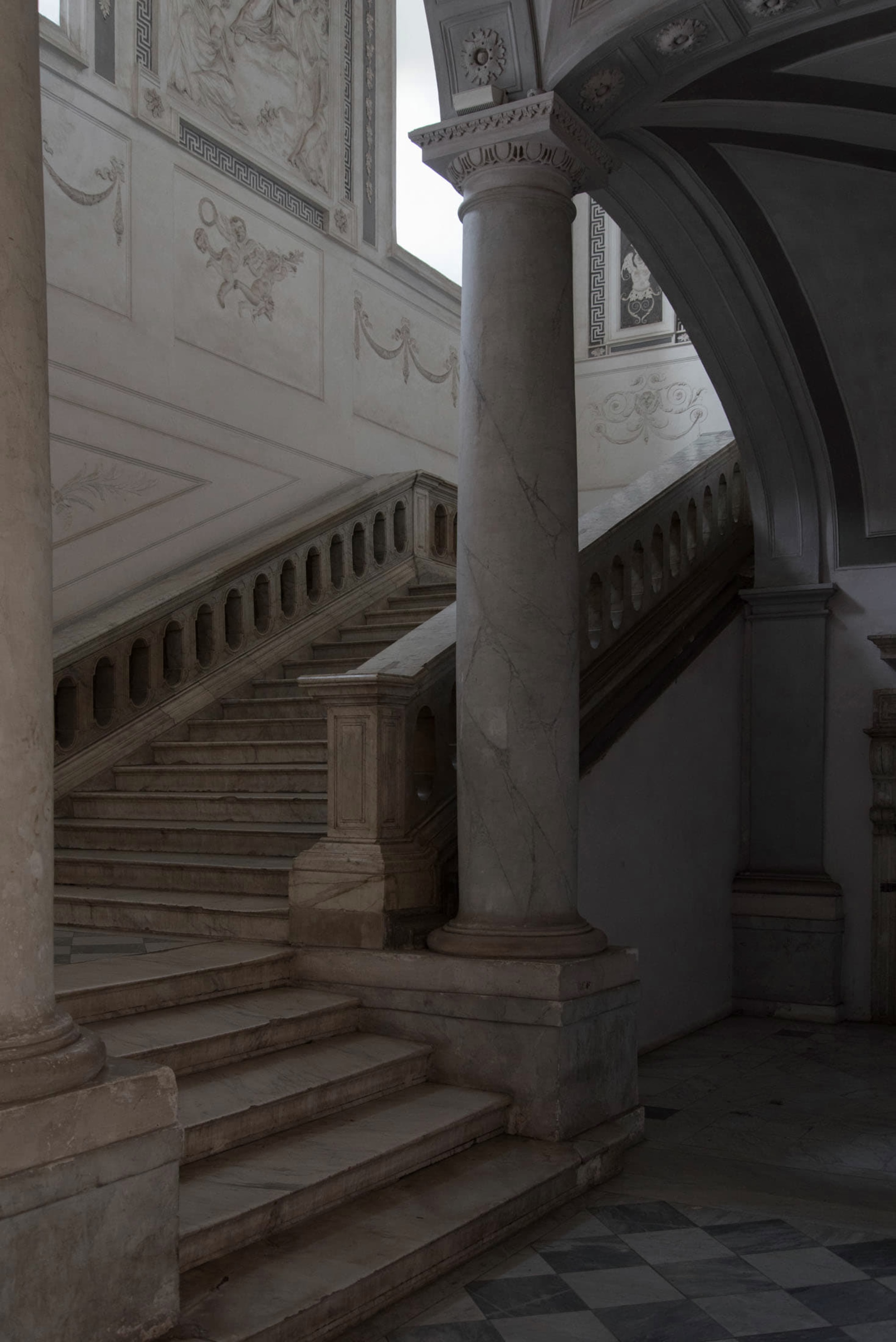
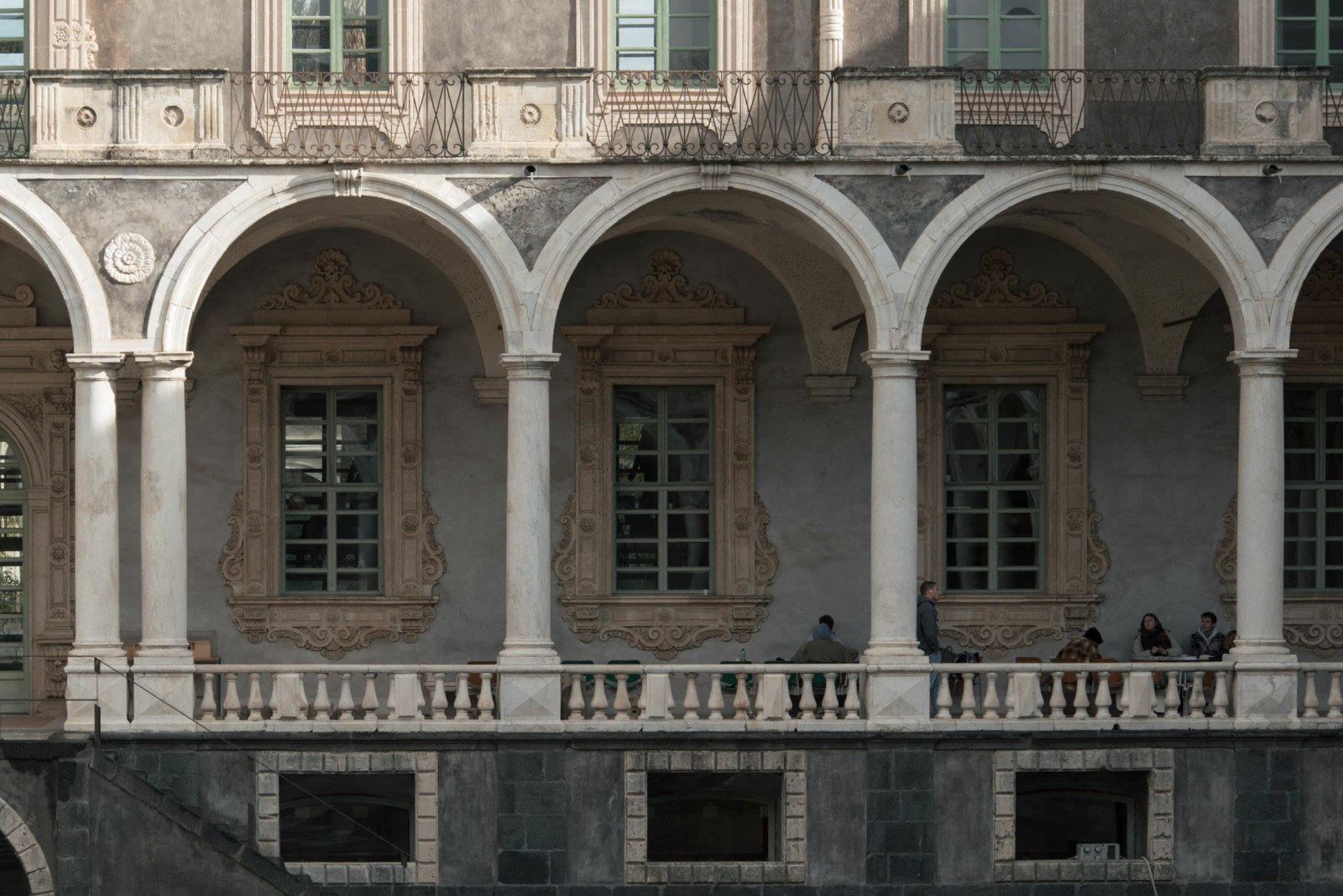
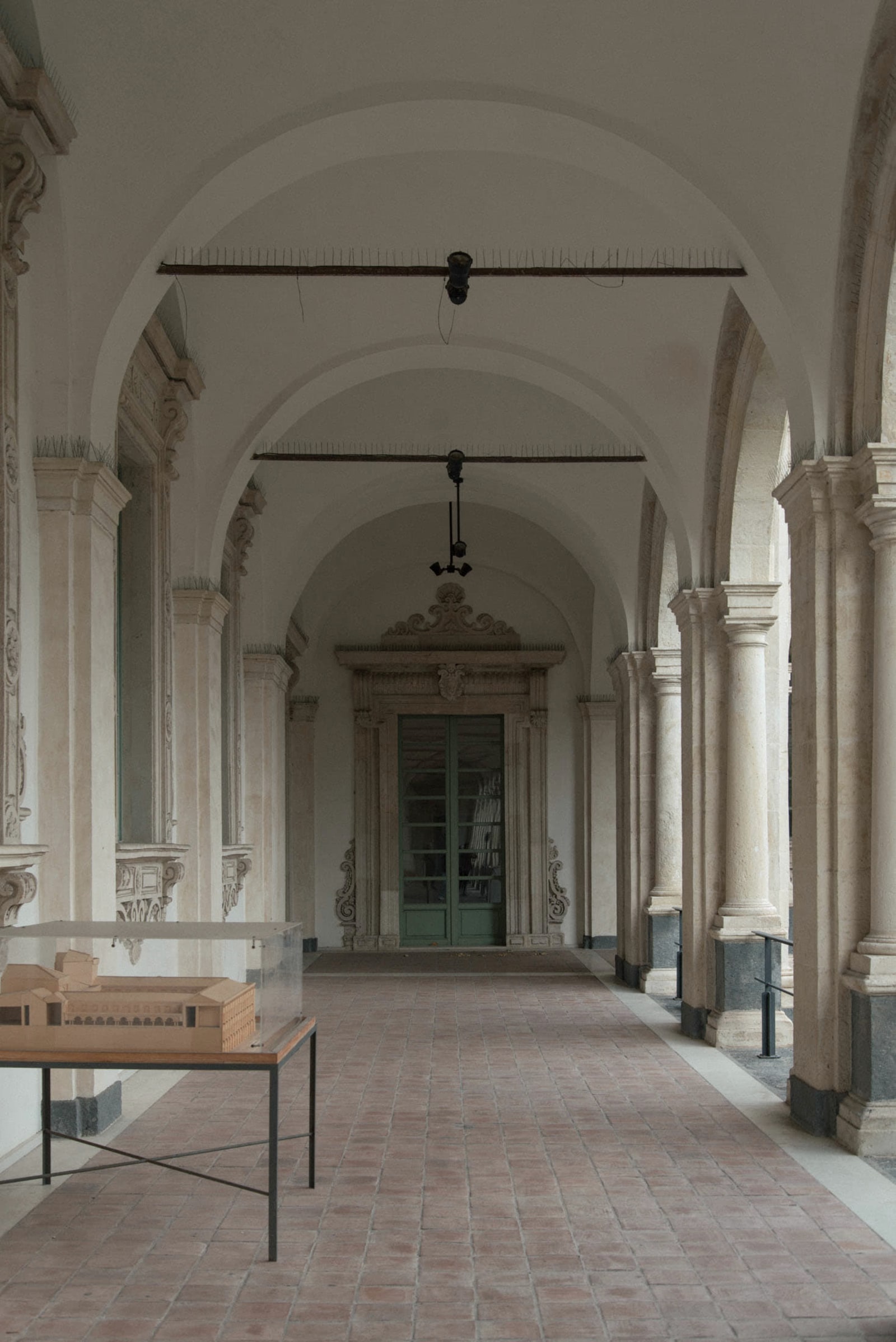
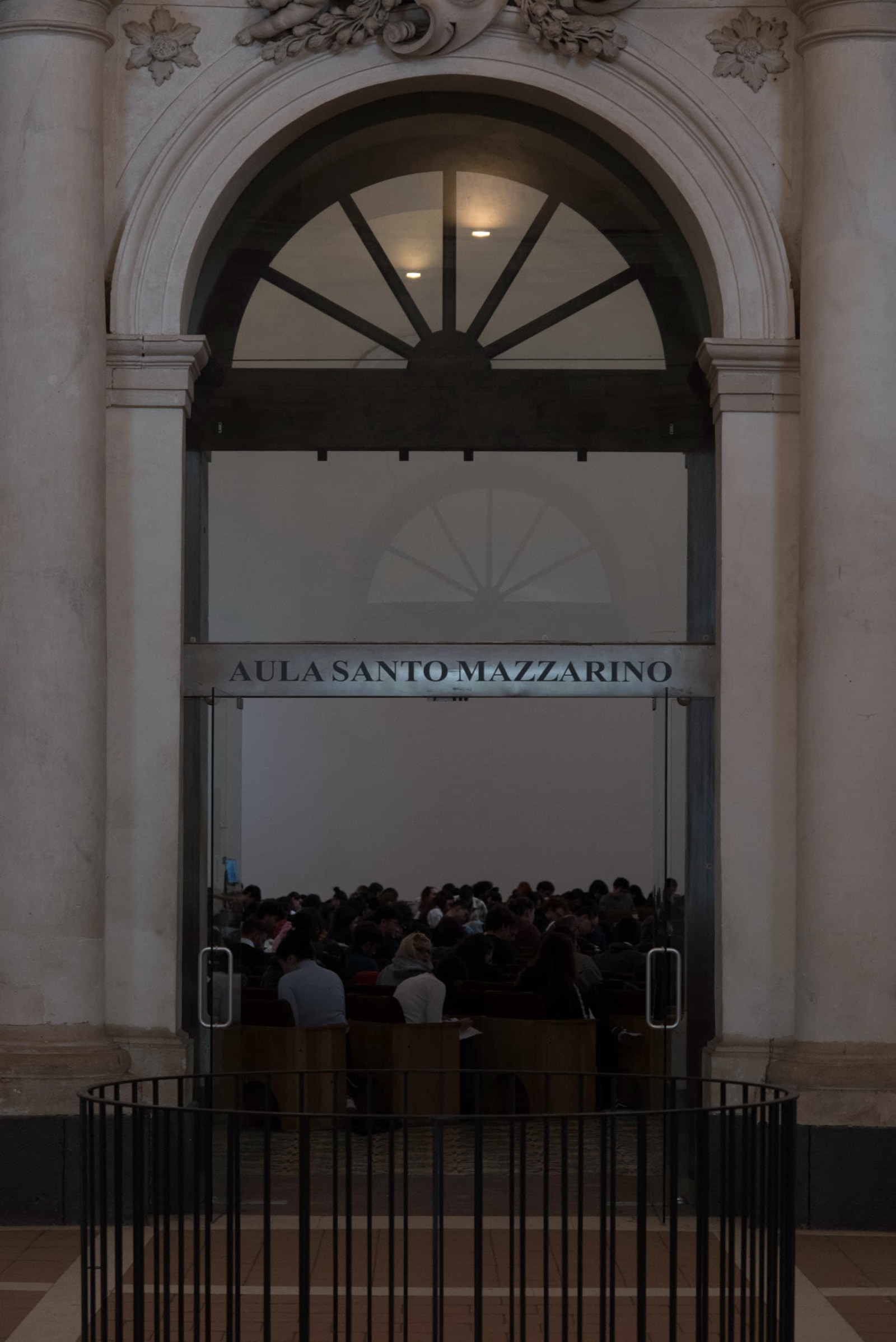
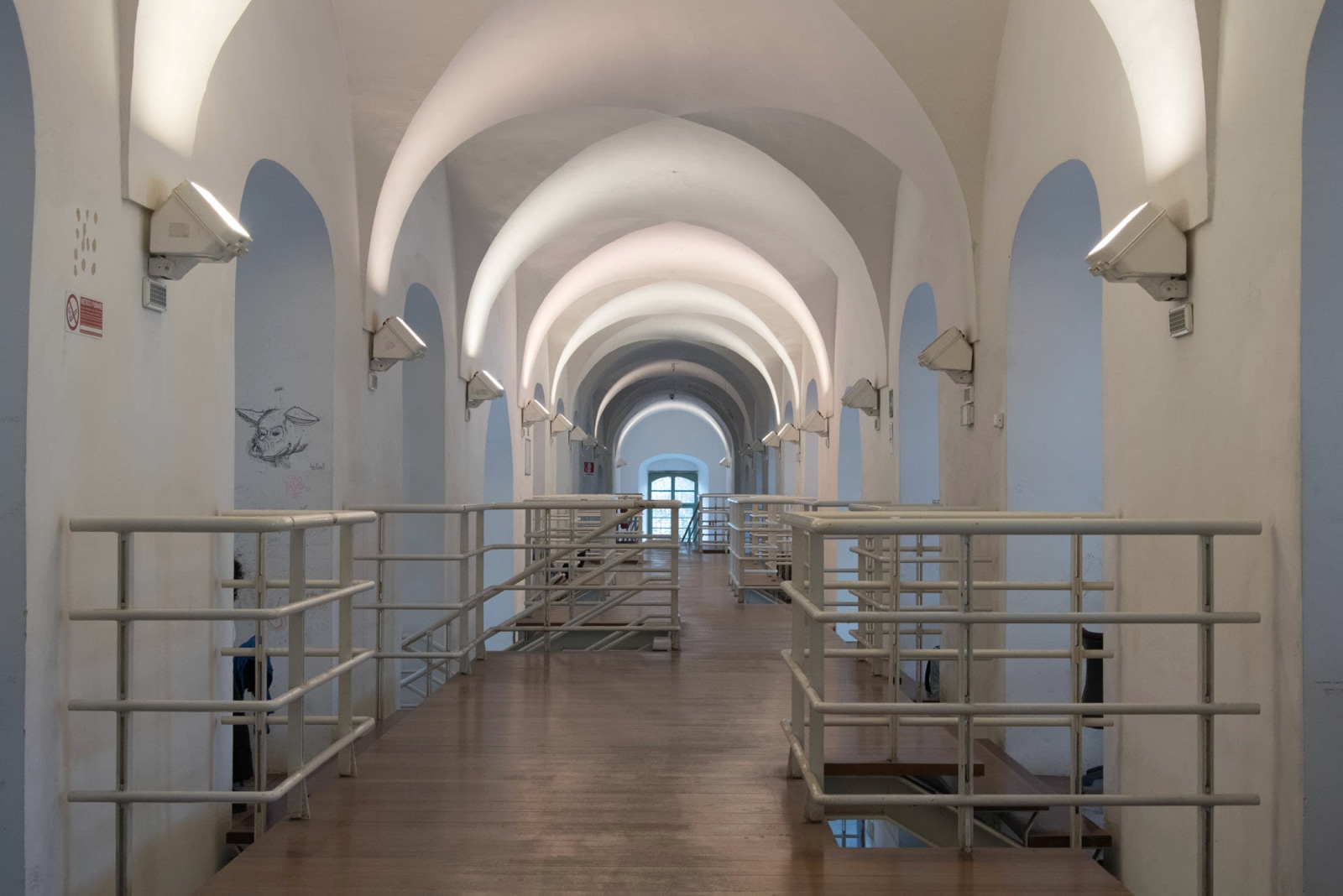
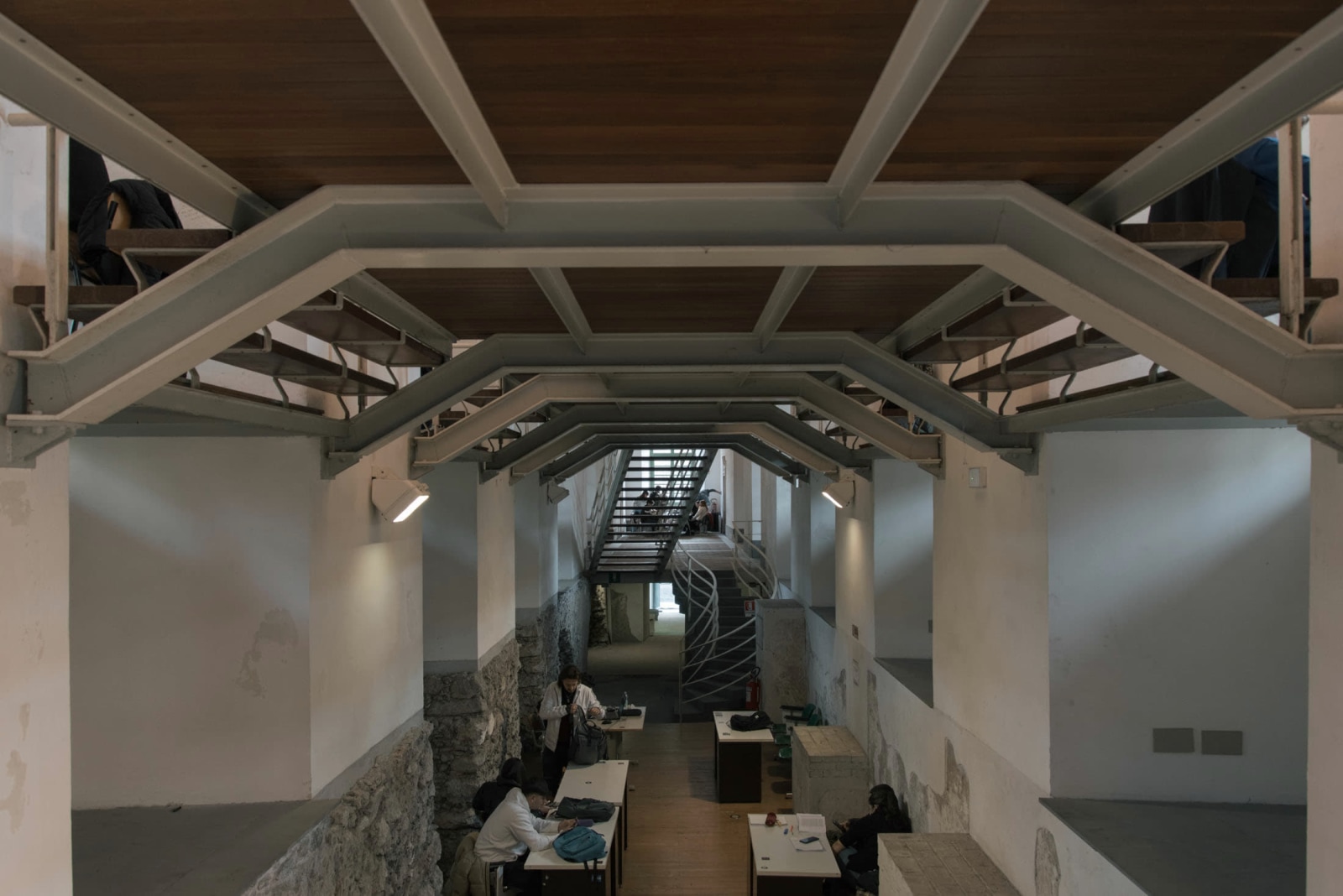
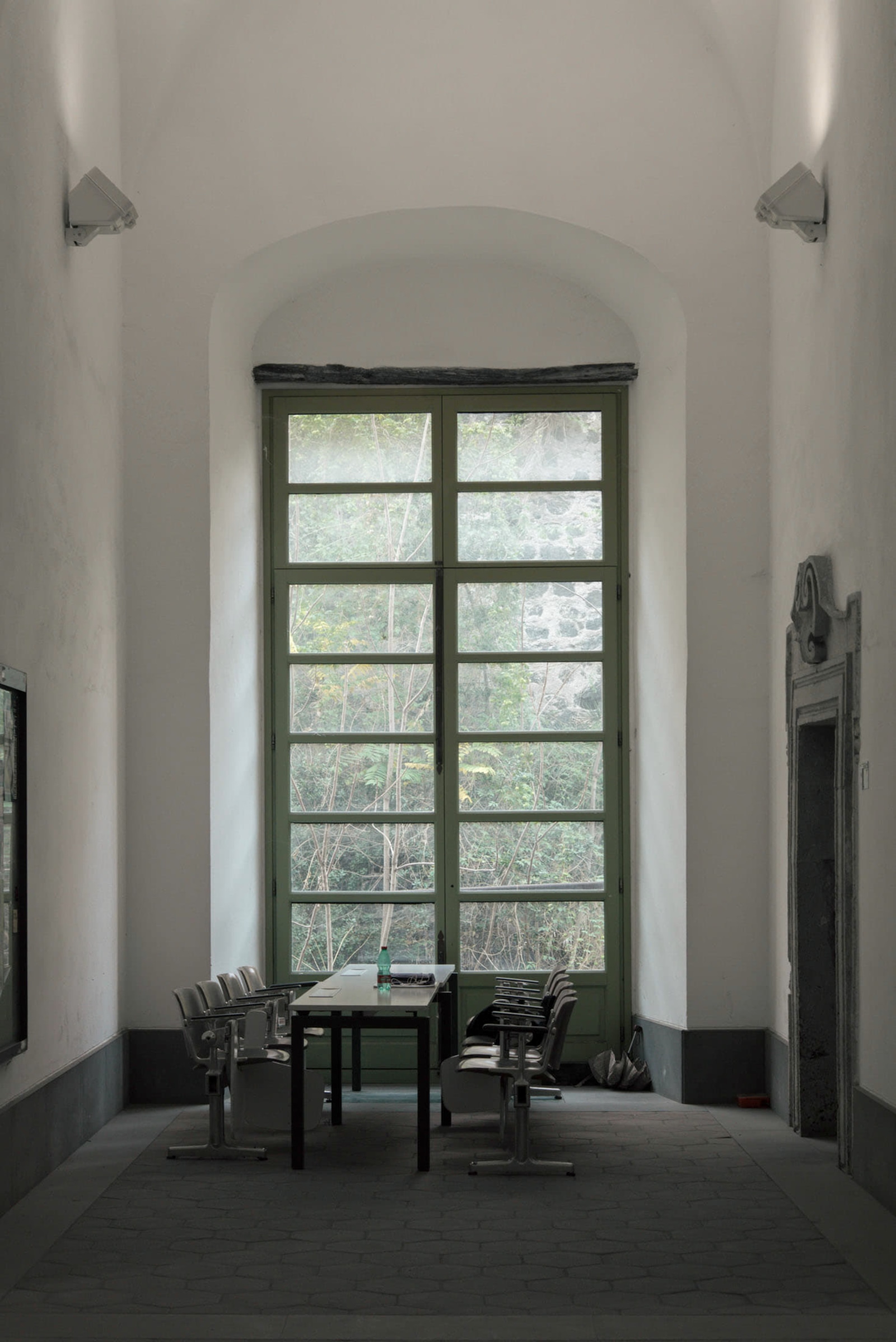
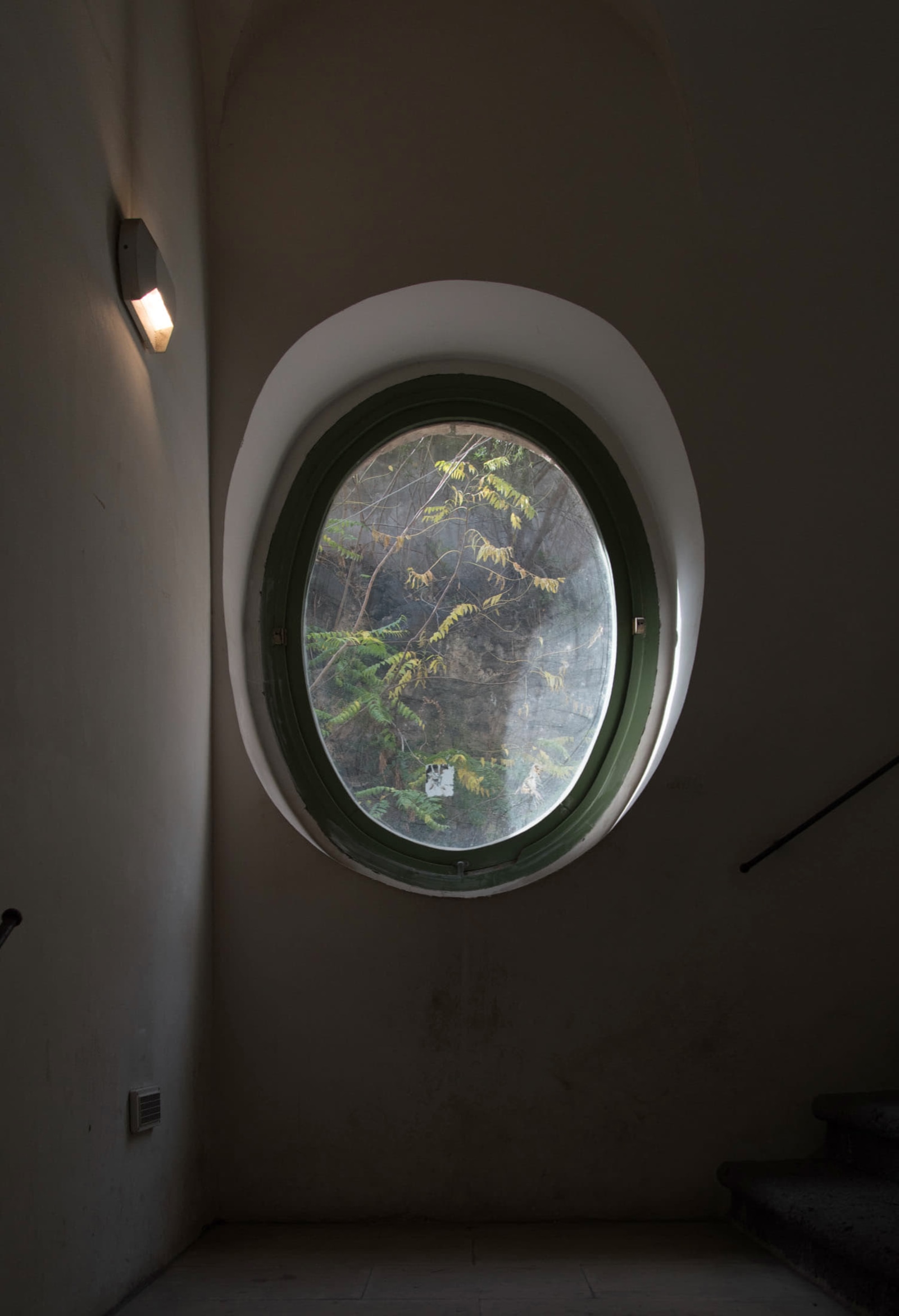
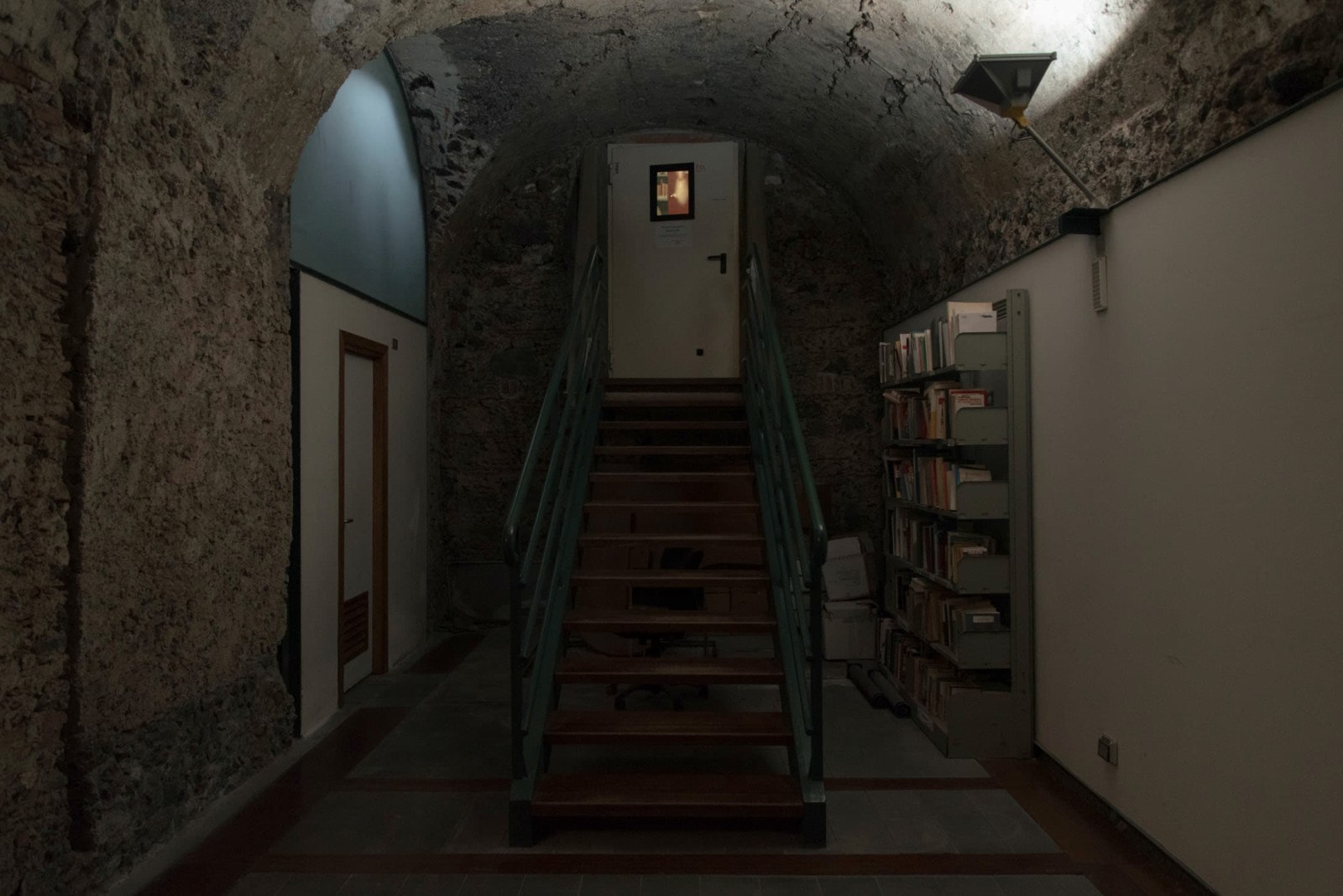
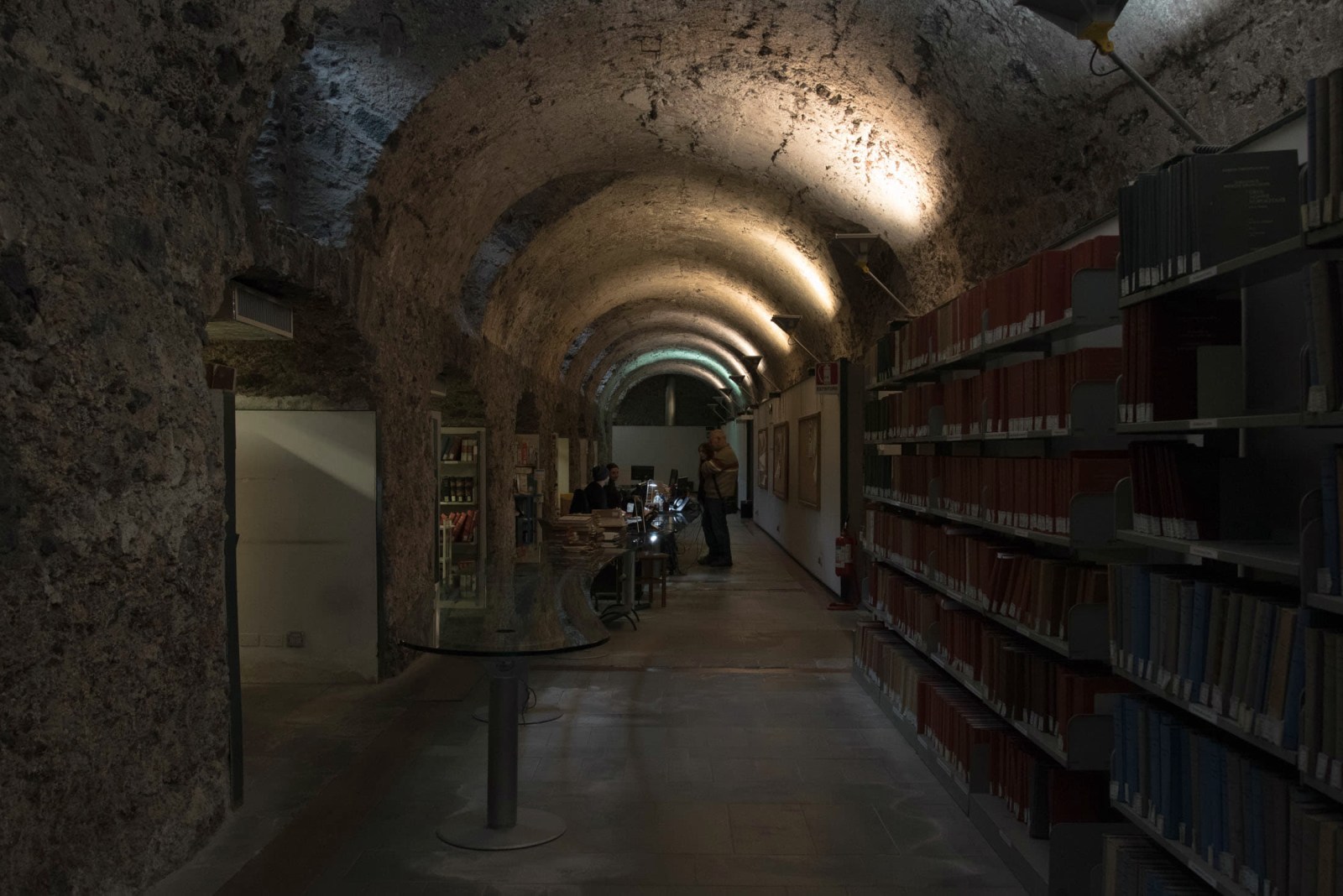
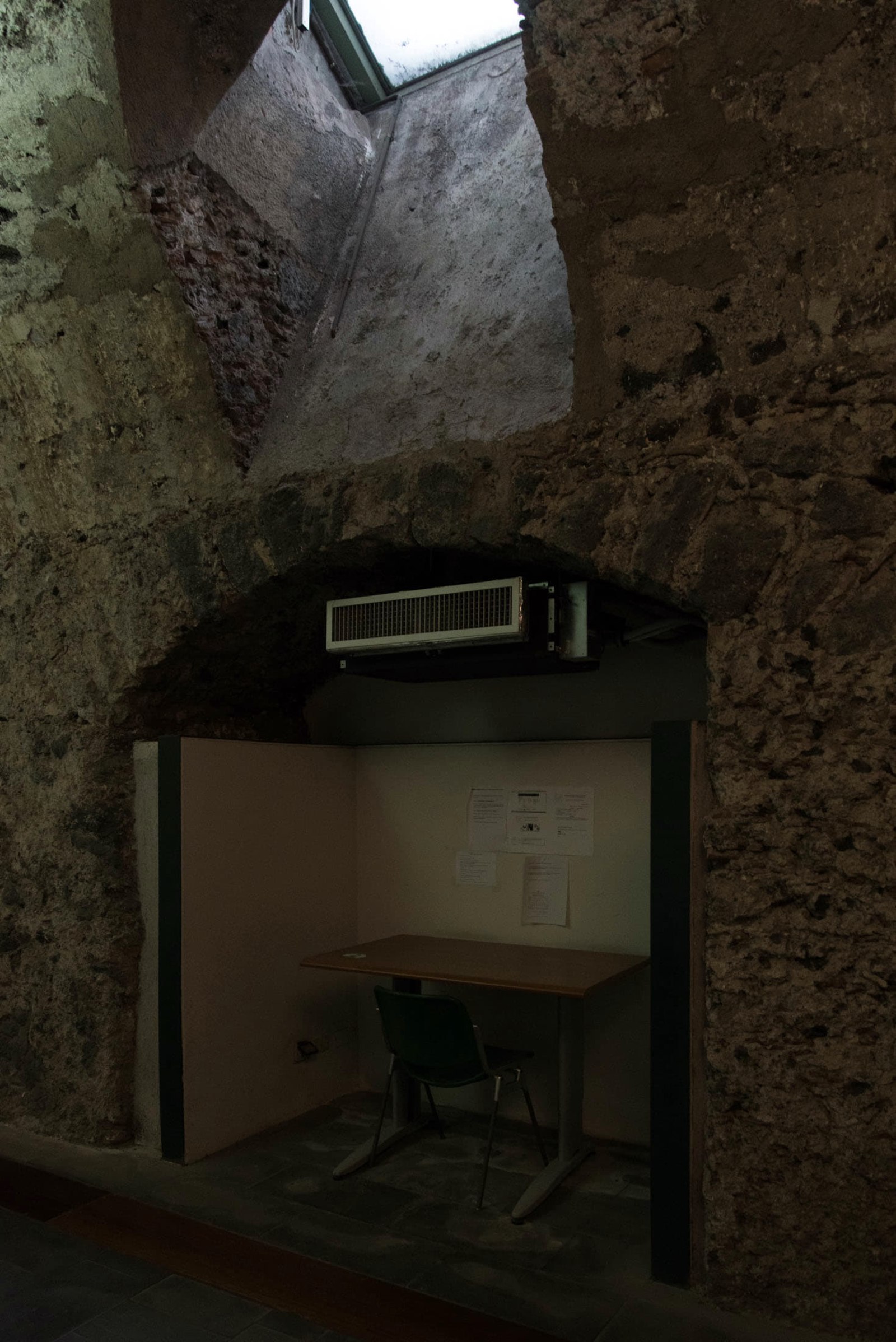
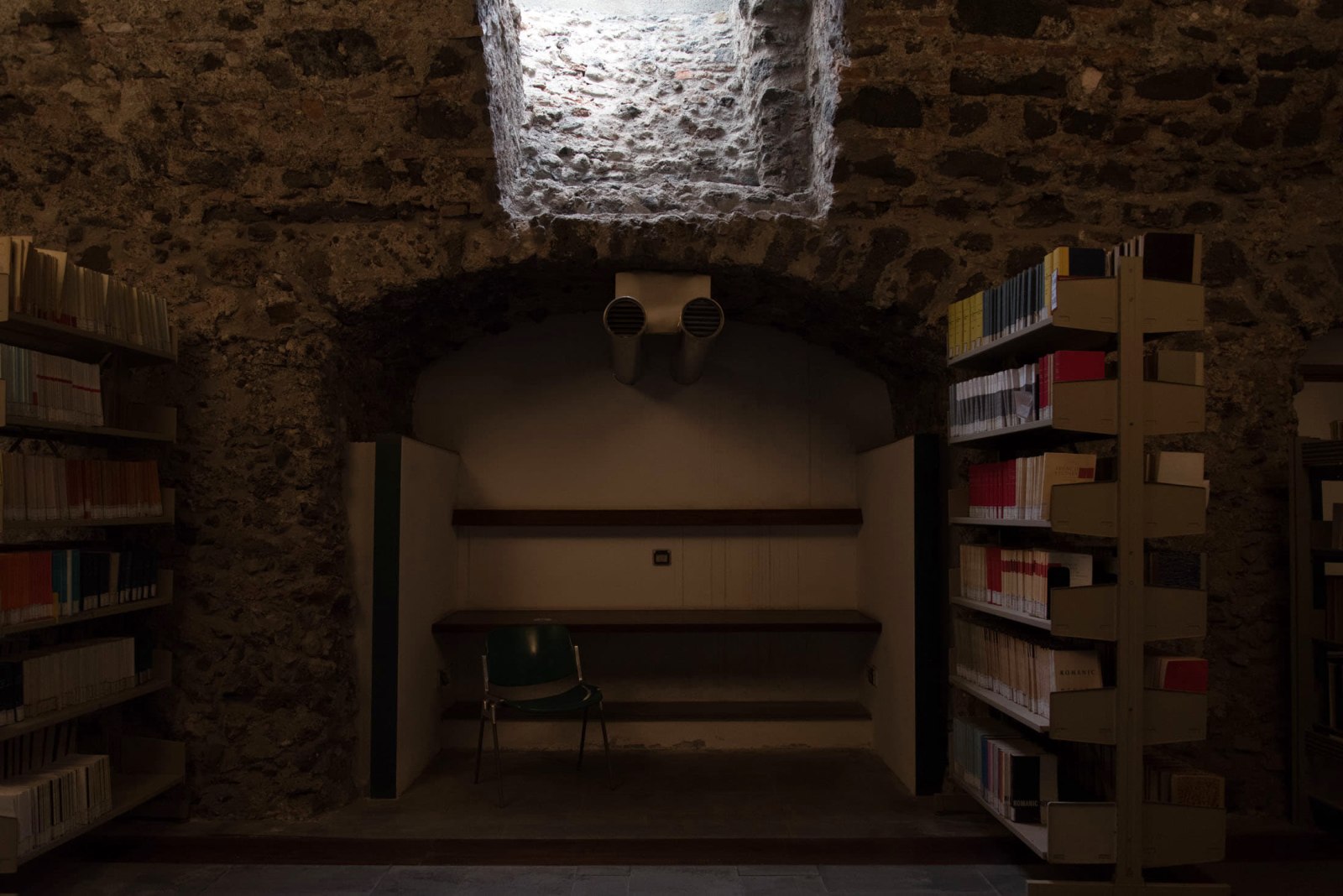
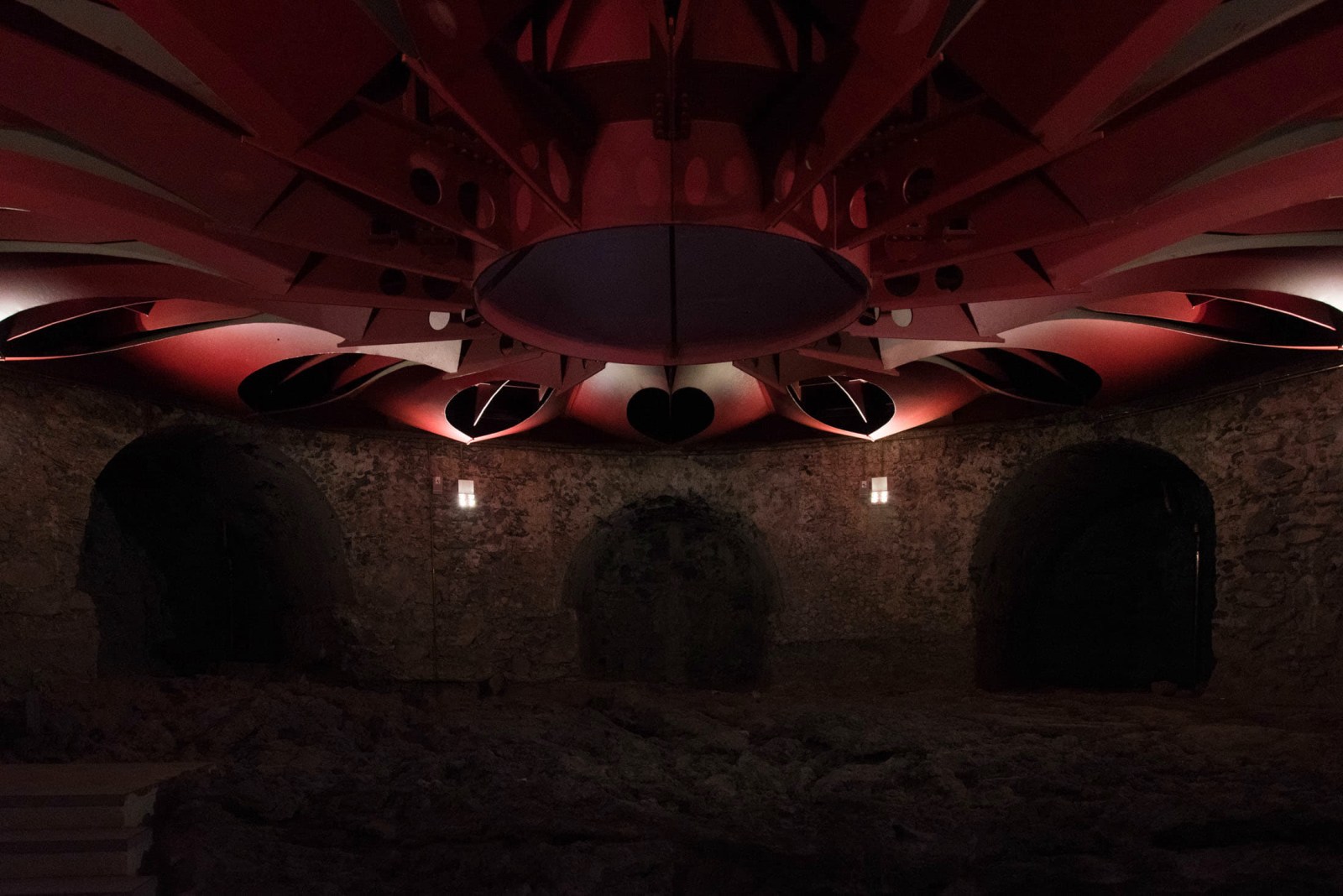
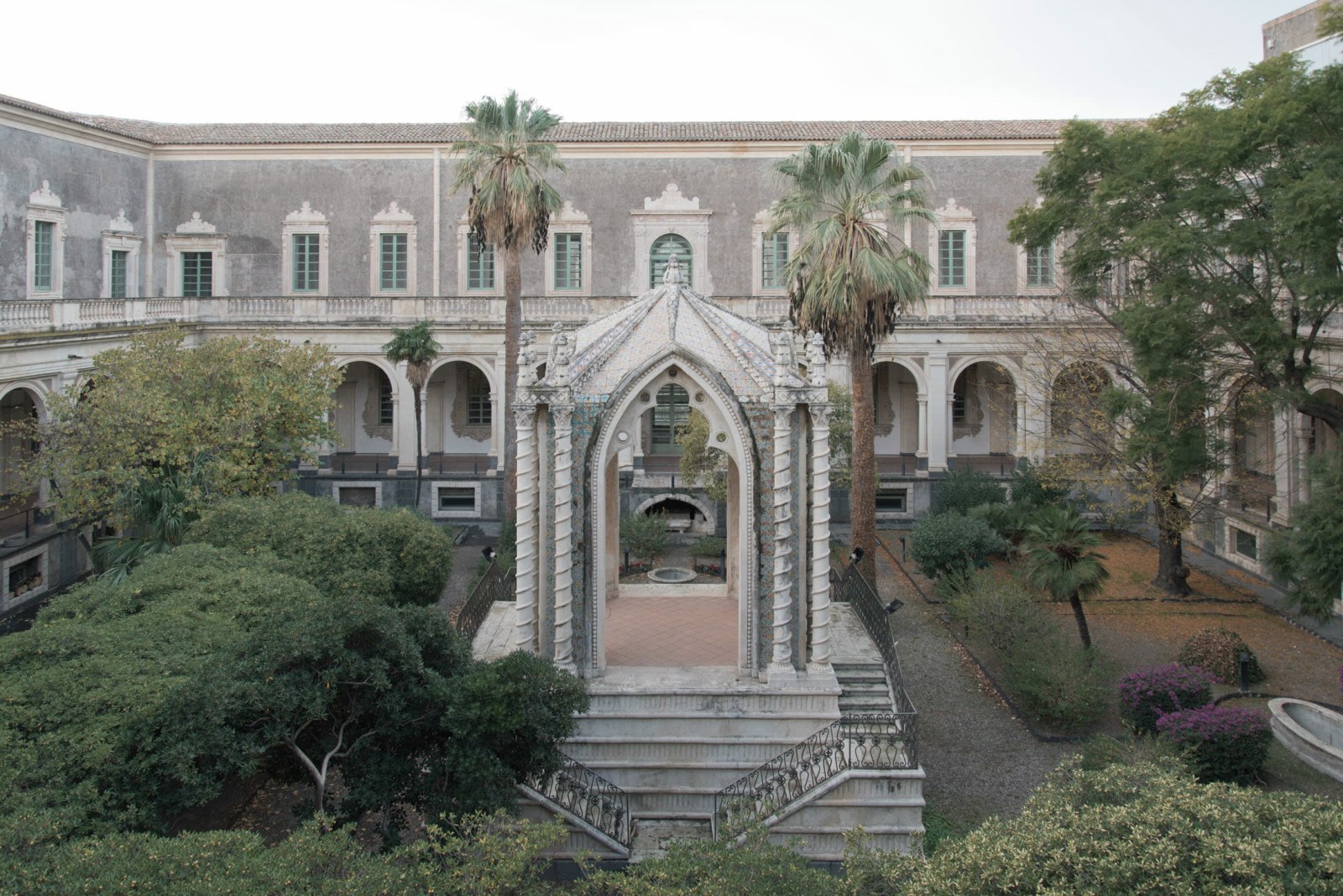
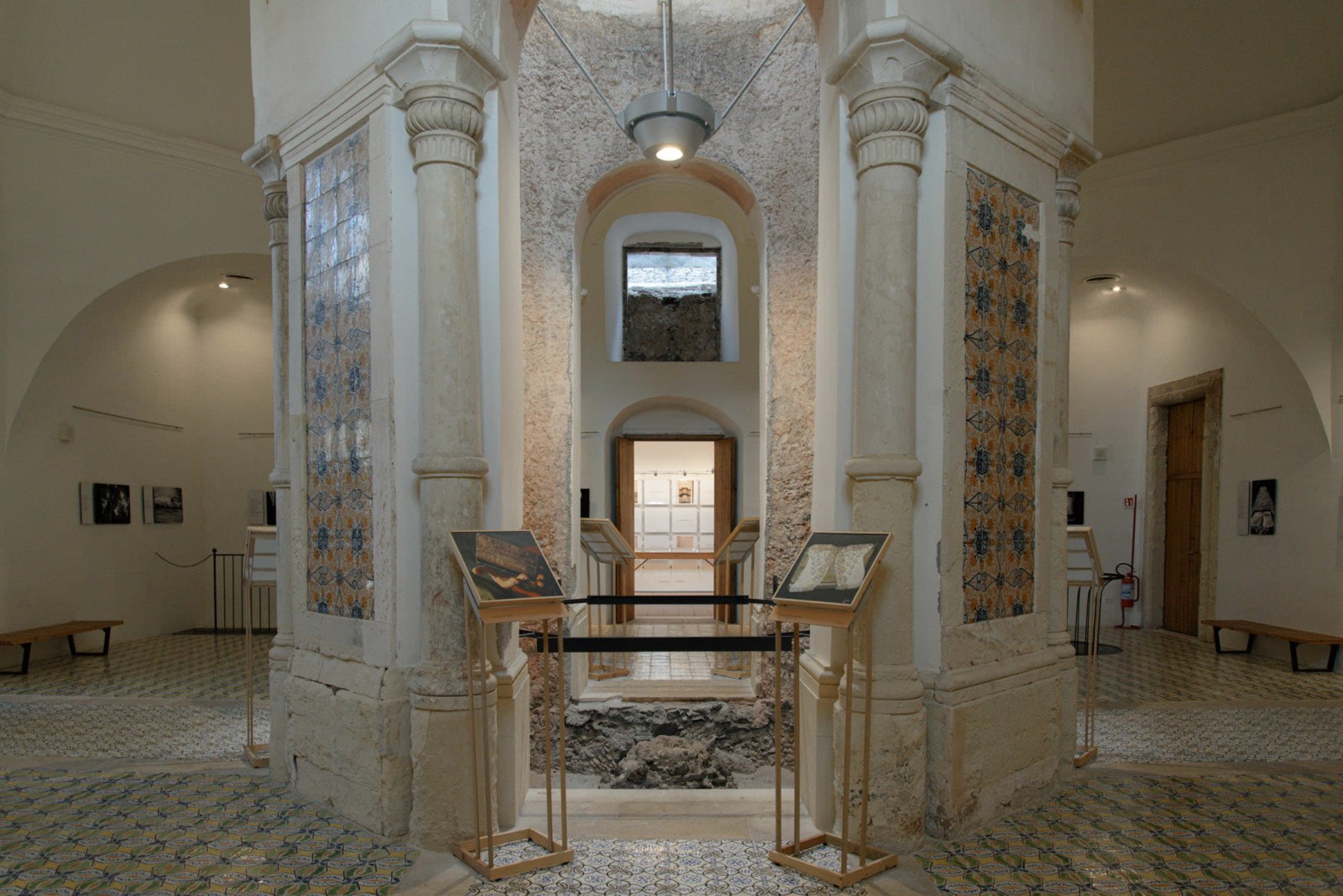
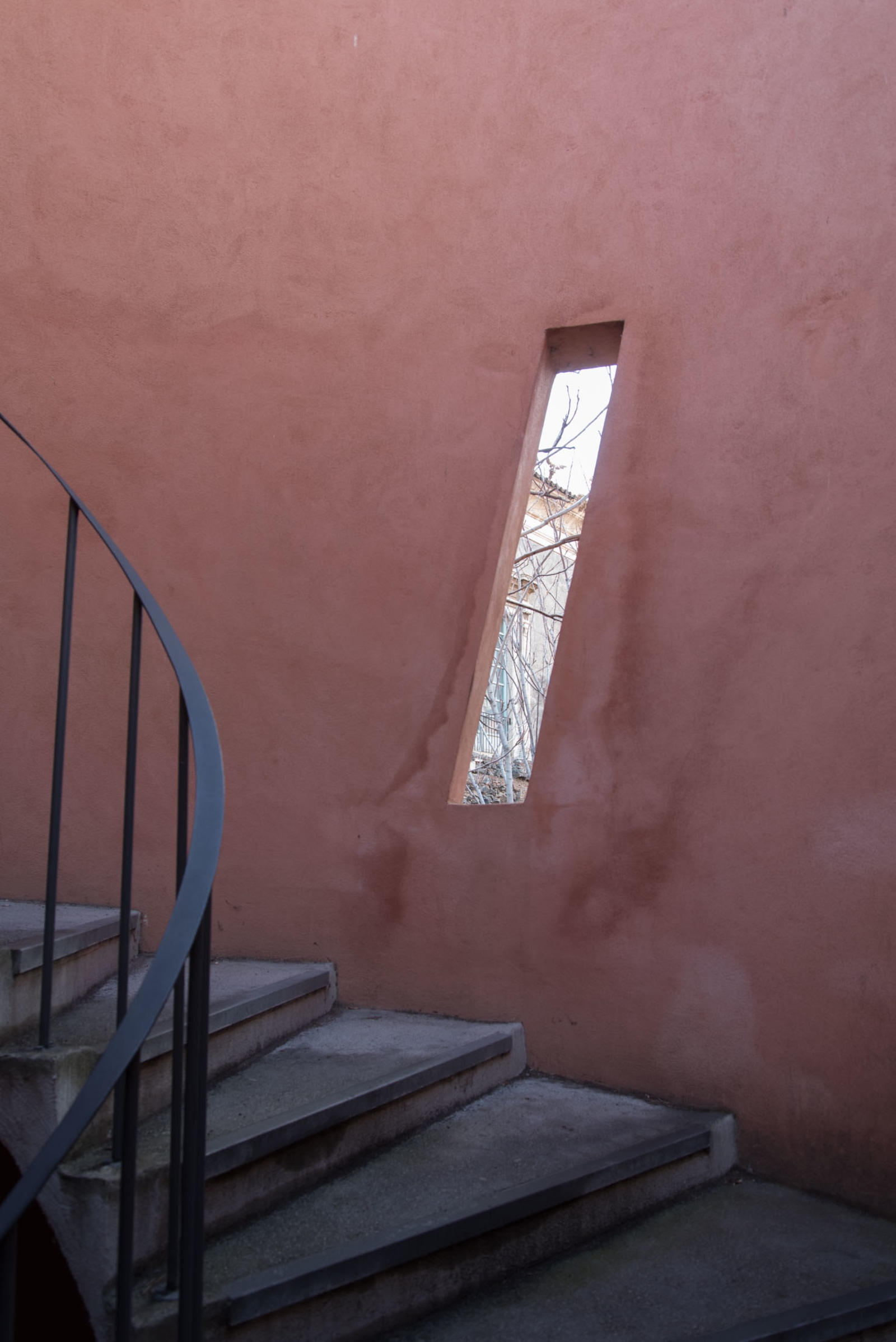
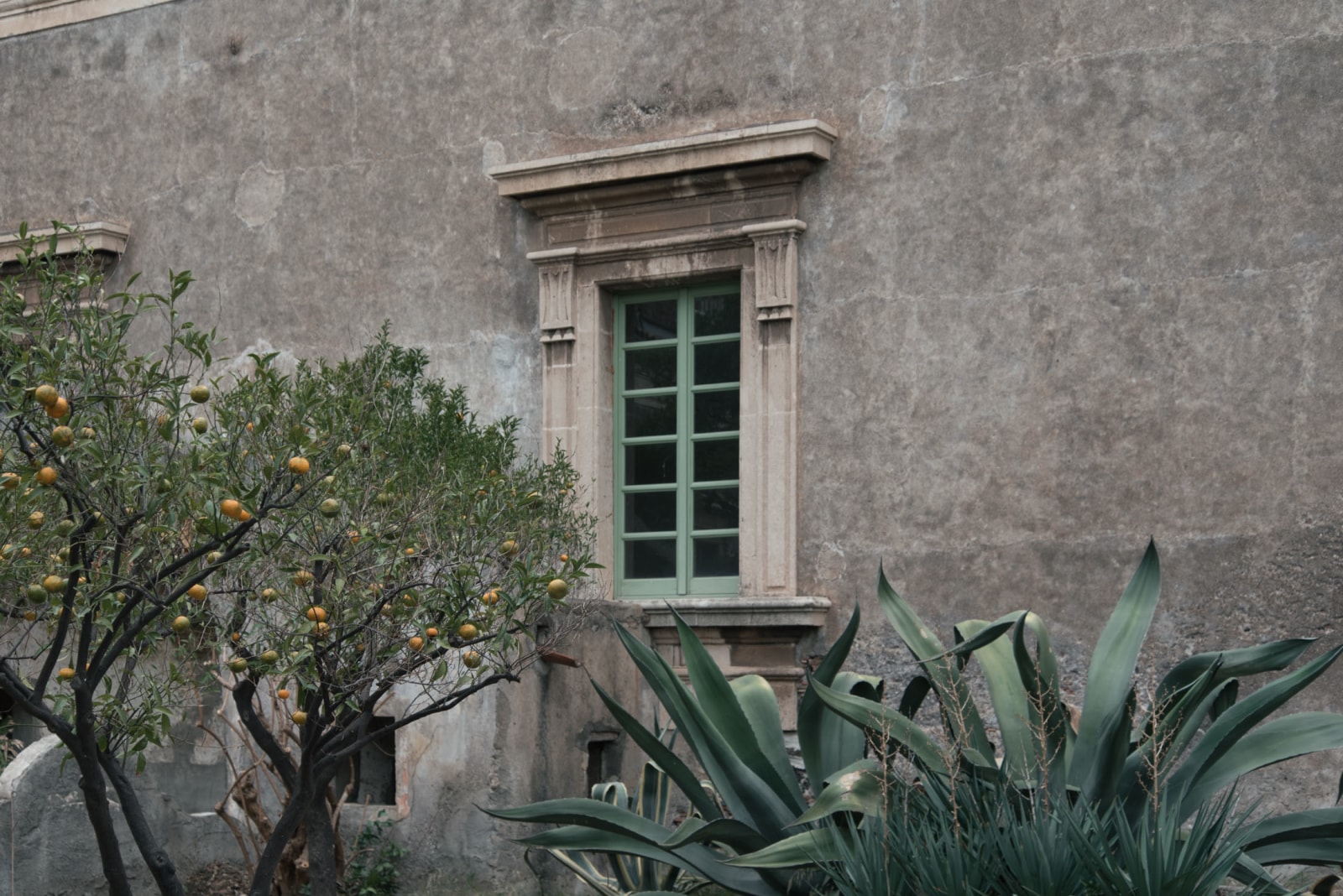
Giancarlo De Carlo's interventions (1962-1983) at the Benedictine Monastery of Catania, a UNESCO World Heritage site, exemplify a profound approach to historical preservation, balancing restoration with a sensitive contemporary overlay. Rather than a pure reconstruction, De Carlo's work navigates the complex history of fire and seismic damage, revealing the monastery's layered past. His design strategy respects the ancient fabric while subtly inserting new elements that accommodate modern university functions. This involved meticulously weaving together damaged historical structures with precisely detailed contemporary additions, often in concrete, creating a legible dialogue between old and new. The project transforms a damaged monument into a vibrant, functional academic complex, where the architectural language highlights the ongoing life of the building rather than merely freezing it in time. His approach ensures the monastery remains a dynamic cultural asset, continually engaging with its history through its present use.
卡塔尼亚本笃会修道院
意大利 卡塔尼亚
1962~1983年
吉安卡洛·德·卡洛(Giancarlo De Carlo)对卡塔尼亚本笃会修道院(1962-1983年)的介入,是历史遗产修复领域的一个典范,在联合国教科文组织世界遗产地展示了如何平衡修复与敏感的当代植入。德·卡洛的工作并非单纯的重建,而是驾驭了火灾和地震破坏带来的复杂历史,揭示了修道院层层叠叠的过去。他的设计策略尊重古老的结构,同时巧妙地植入适应现代大学功能的新元素。这包括将受损的历史结构与经过精心细化、常以混凝土呈现的当代附加物编织在一起,在新旧之间建立了清晰的对话。该项目将一座受损的纪念碑转变为一个充满活力的、功能性的学术综合体,建筑语言强调了建筑持续的生命力,而非仅仅将其凝固在时间中。他的方法确保了修道院作为一个动态的文化资产,通过其当前的使用不断与历史对话。