Seattle Art Museum
Seattle, USA
1991/2007
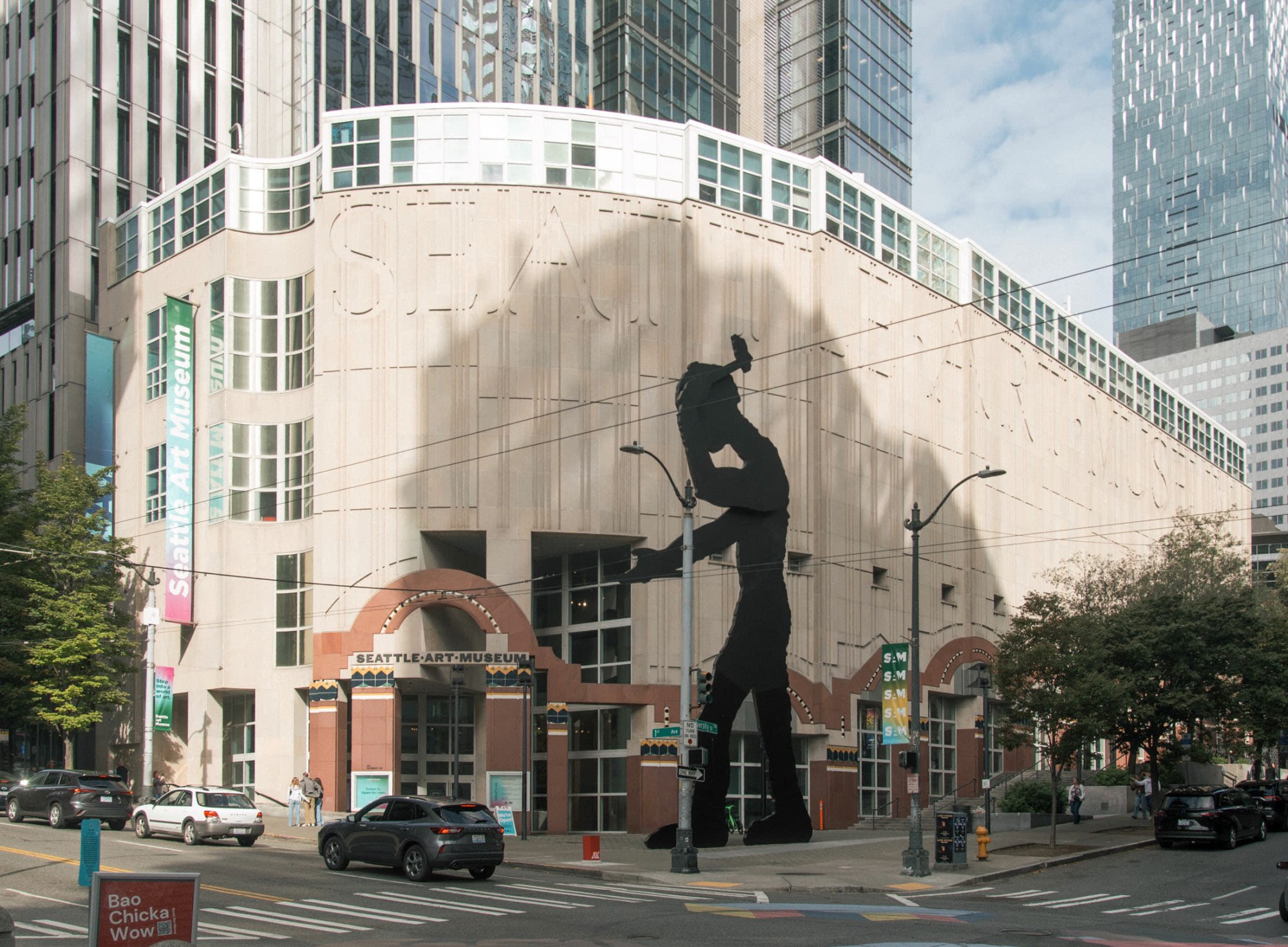
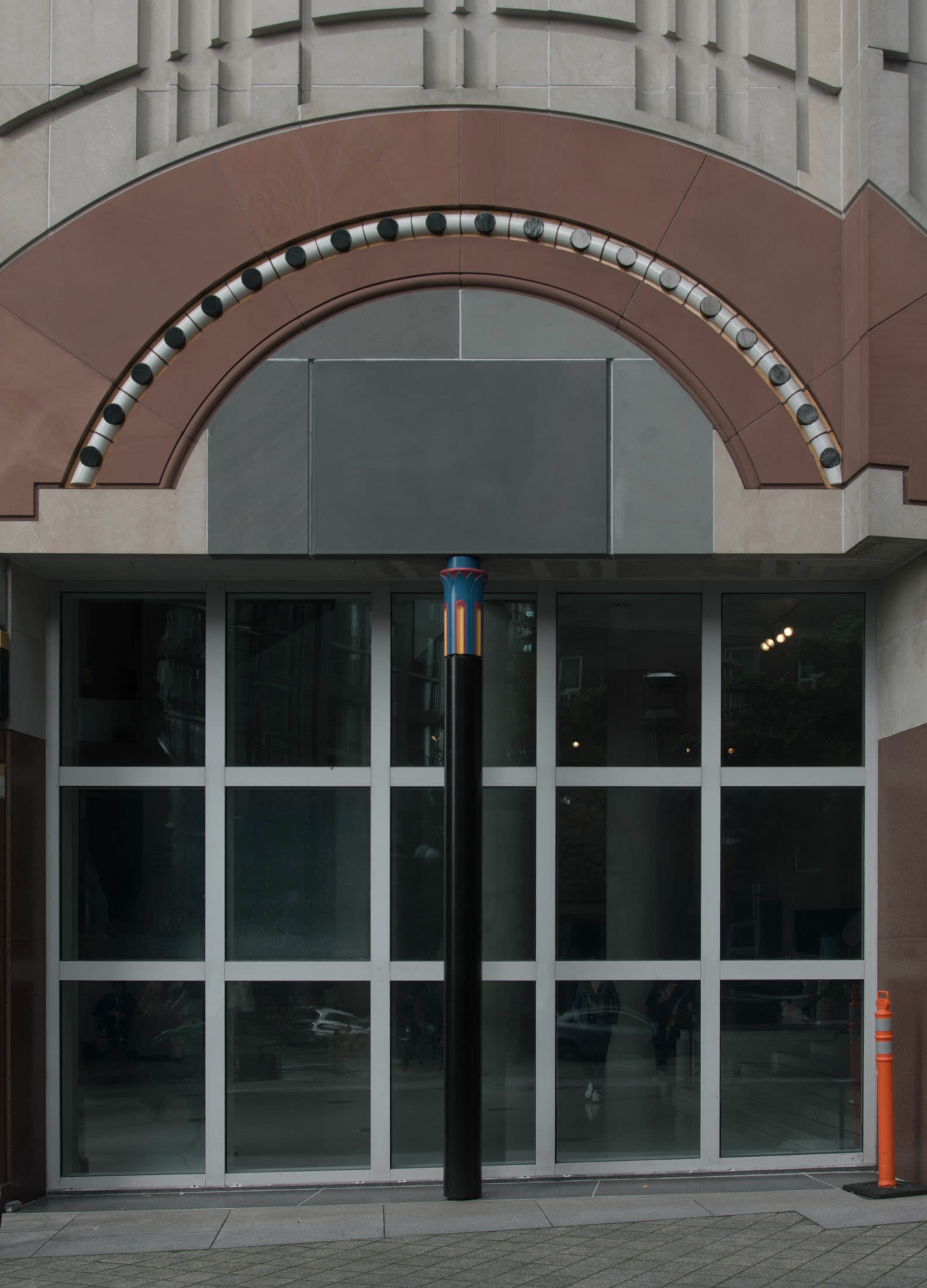
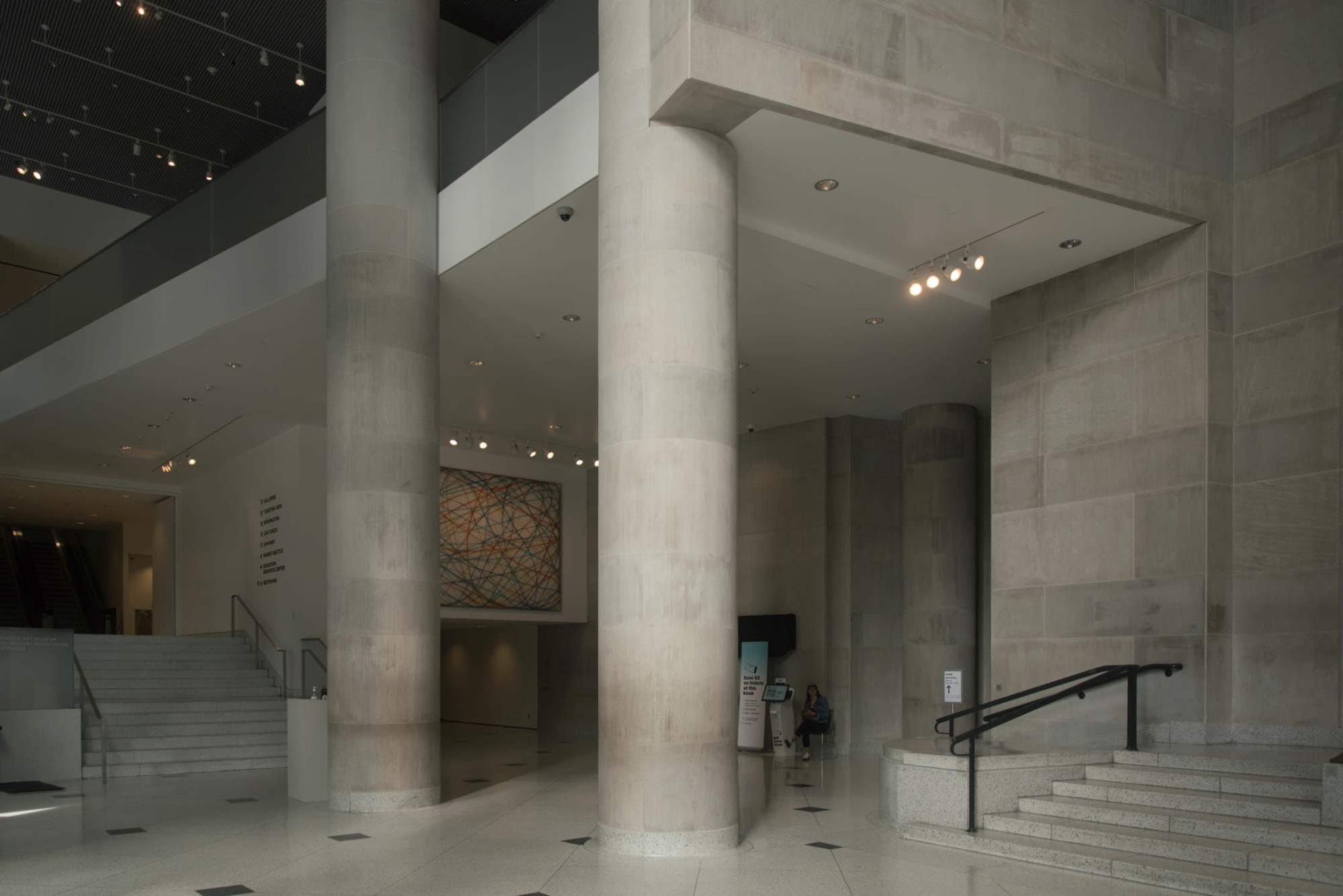
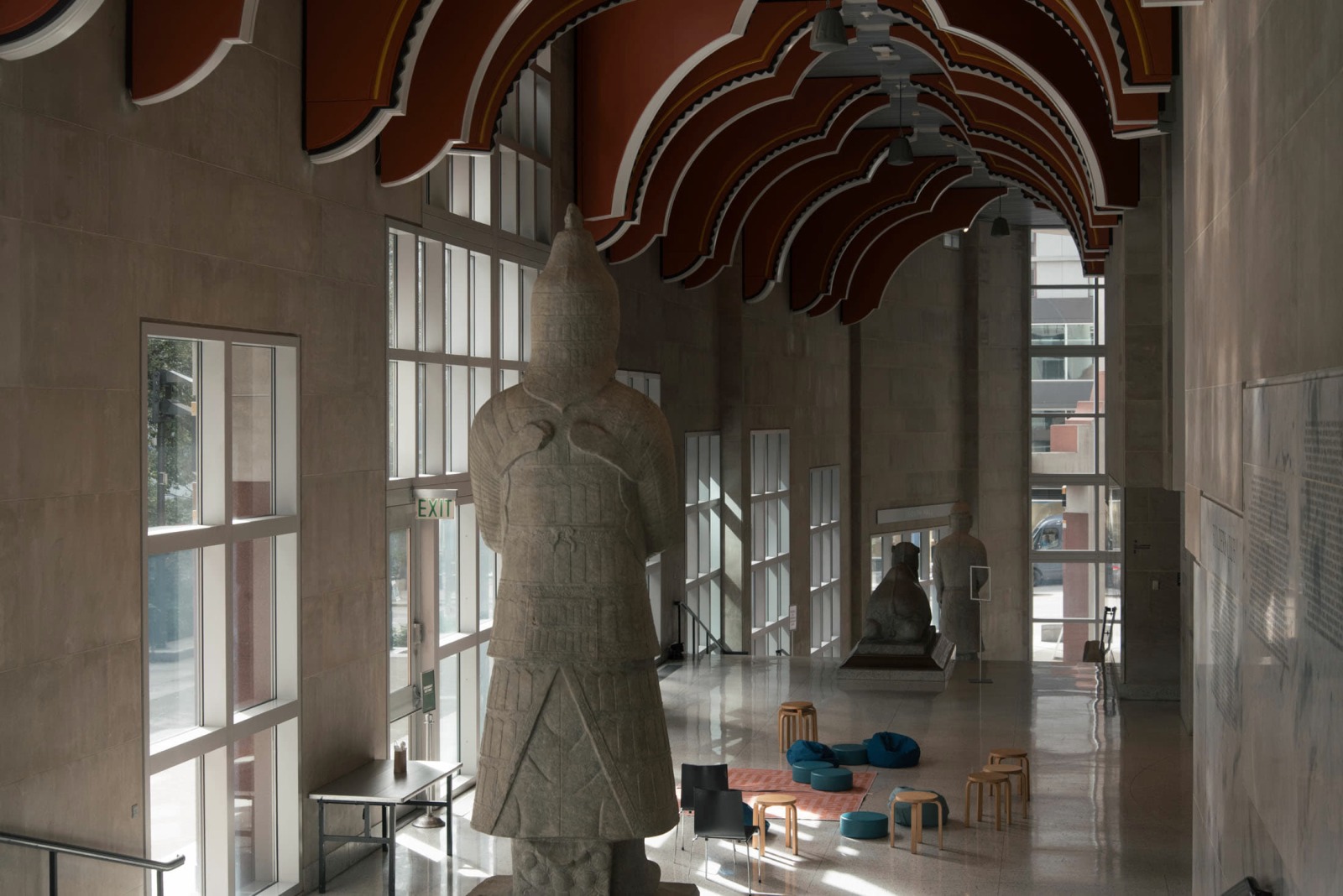
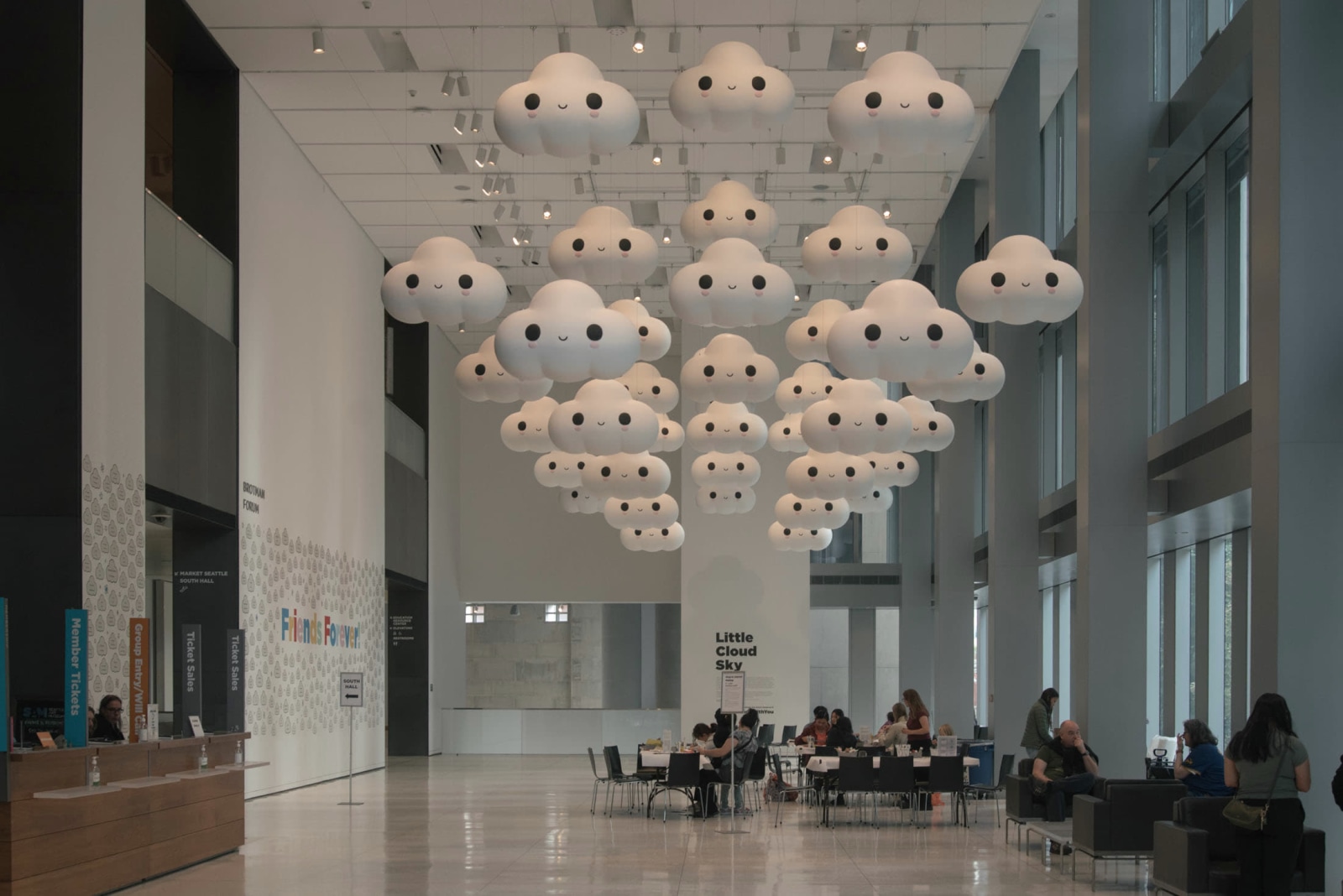
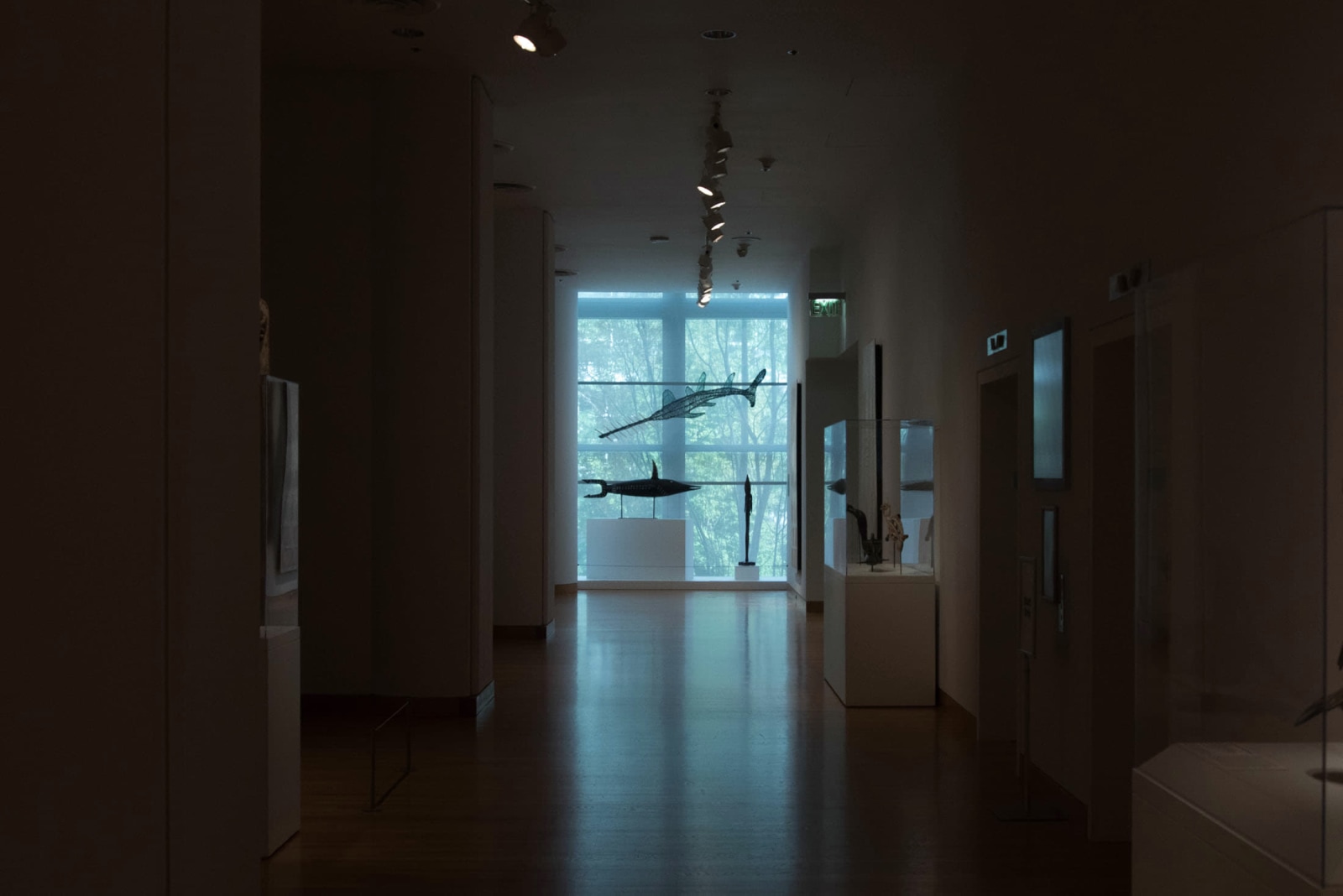
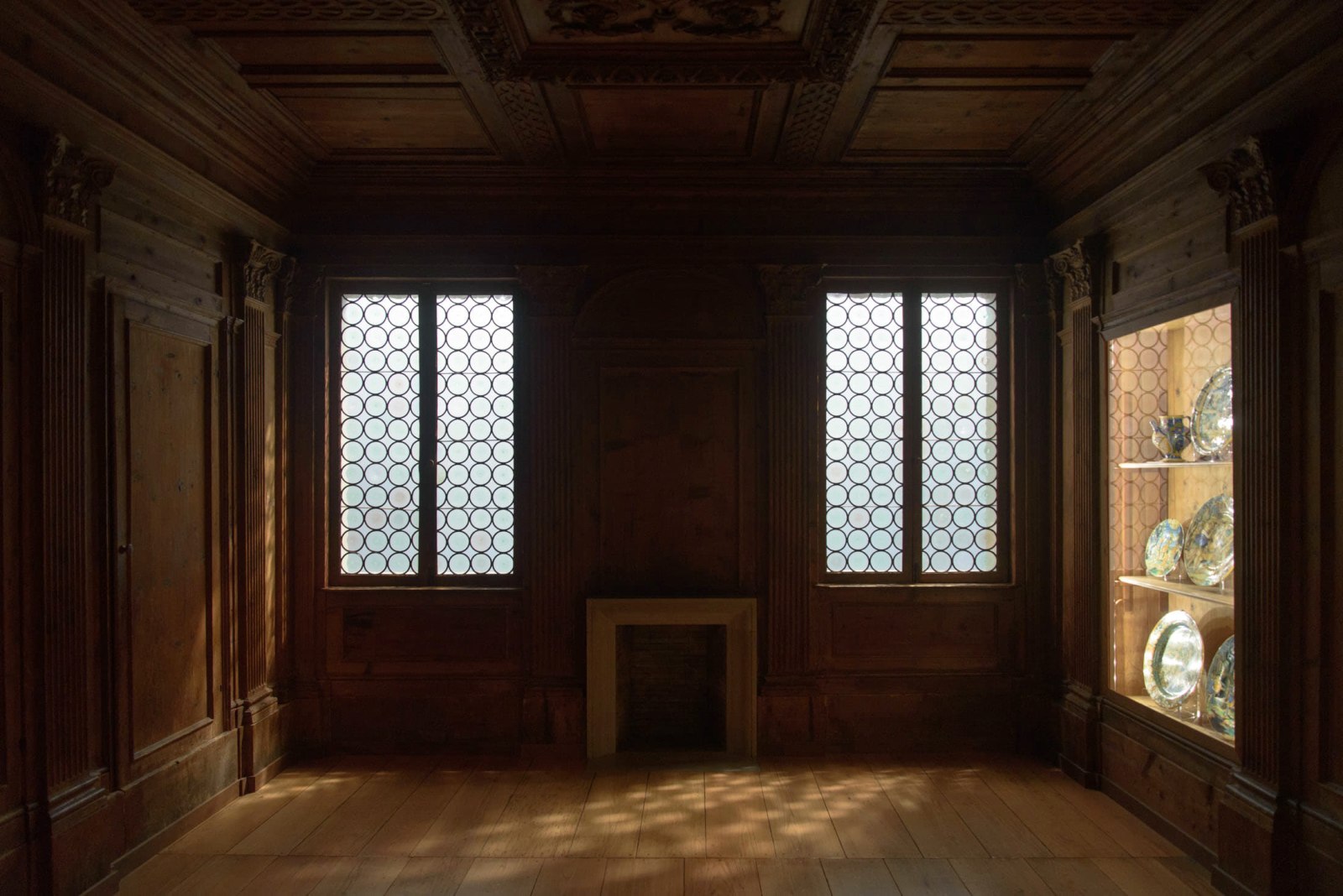
The Seattle Art Museum unfolds as a dialogue between two distinct architectural philosophies. Robert Venturi's original 1991 design is a primary example of postmodernism, employing historical quotation and applied ornament. The limestone facade is incised with lettering and patterns, functioning as a decorated shed that explicitly communicates its cultural purpose to the city. Its grand staircase, designed for procession and social encounter, is a central feature. In 2007, Allied Works Architecture, led by Brad Cloepfil, designed an expansion that operates with a different logic. Rather than competing with Venturi's symbolic language, Cloepfil’s addition offers a quieter, material-focused minimalism. The expansion is conceived as a series of nested volumes clad in stainless steel and glass, creating a neutral, light-filled container for art. The new design prioritizes spatial flexibility and a subtle engagement with light, offering a phenomenological counterpoint to Venturi’s more didactic, sign-based architecture.
西雅图艺术博物馆
美国 西雅图
1991/2007年
西雅图艺术博物馆展现了两种截然不同的建筑哲学之间的对话。罗伯特·文丘里1991年的原作是后现代主义的经典案例,运用了大量的历史引语和表面装饰。石灰石立面上刻有文字与图案,如同一个“被装饰的棚屋”,向城市明确地传达其文化功能;其为仪式性进入和社交相遇而设计的大楼梯,是空间的核心特征。2007年,由Brad Cloepfil领导的Allied Works Architecture设计了扩建部分,其运作逻辑截然不同。Cloepfil的设计并未试图与文丘里的符号语言竞争,而是提供了一种更安静的、聚焦于材料的极简主义。扩建部分被构想为一系列由不锈钢和玻璃包裹的嵌套体量,为艺术品创造了一个中性的、光线充足的容器。新设计优先考虑空间的灵活性和与光线的微妙互动,为文丘里更具说教性、基于符号的建筑提供了一种现象学的对位。