San Francisco Museum of Modern Art (SFMOMA)
San Francisco, USA
1995/2016
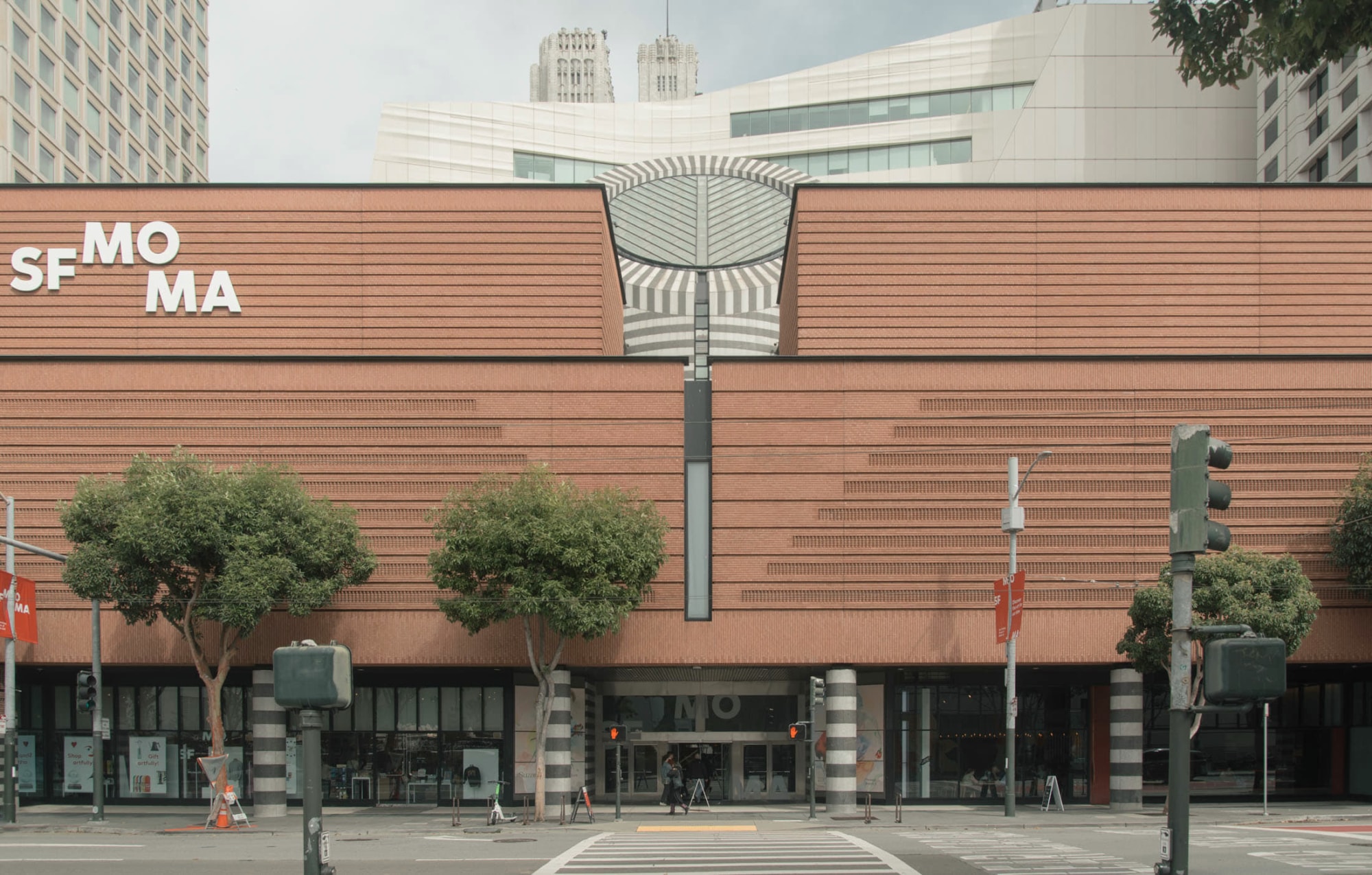
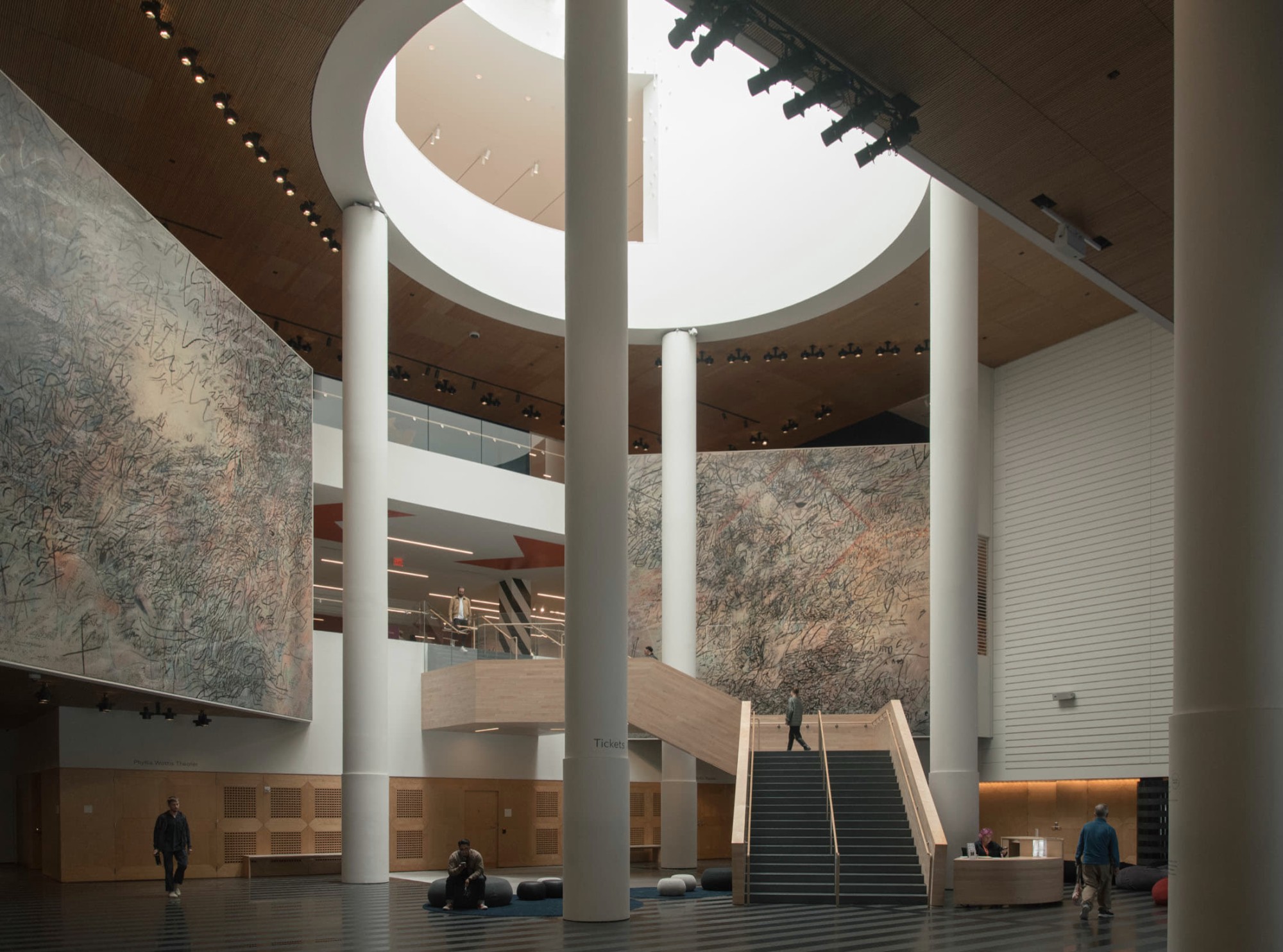
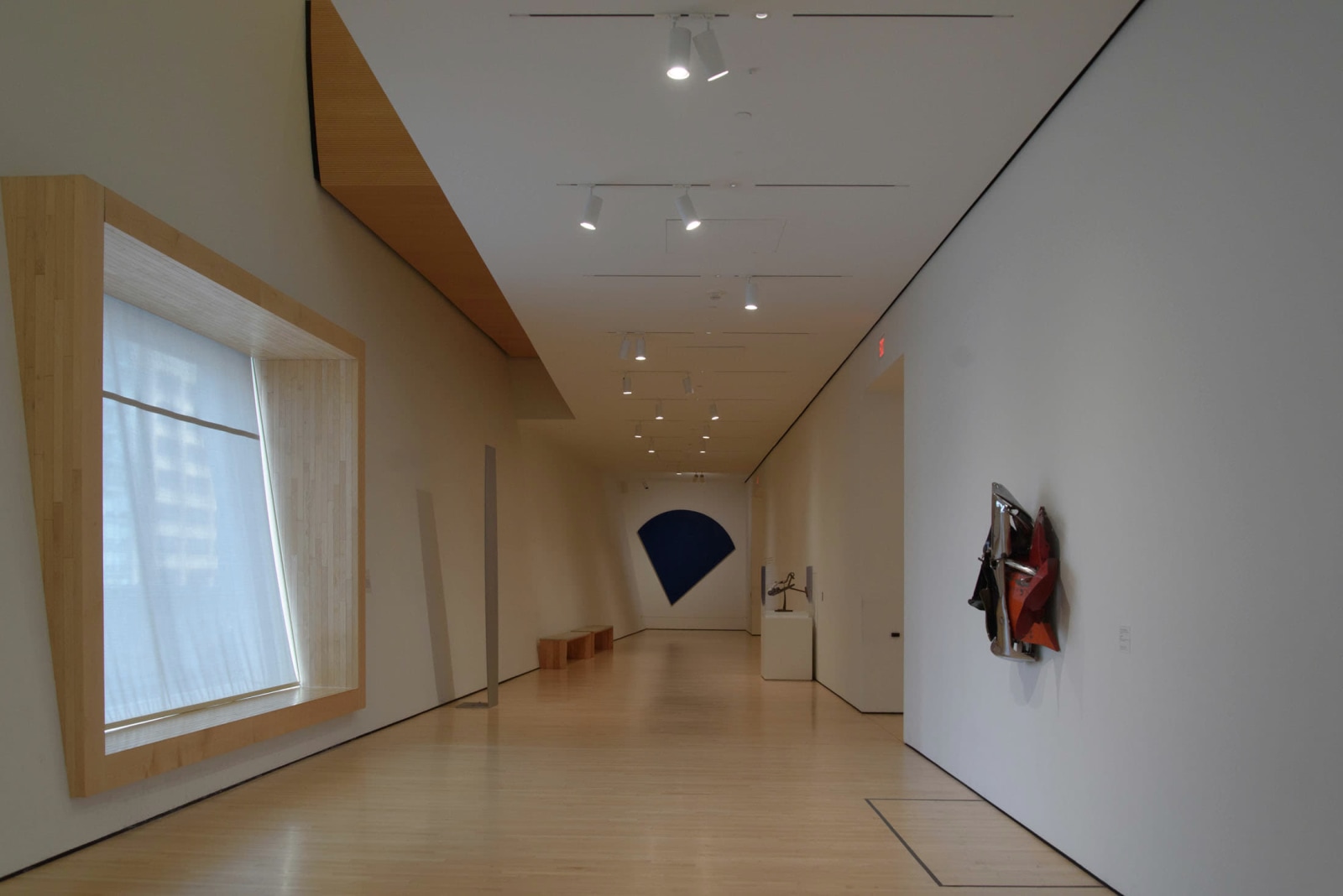
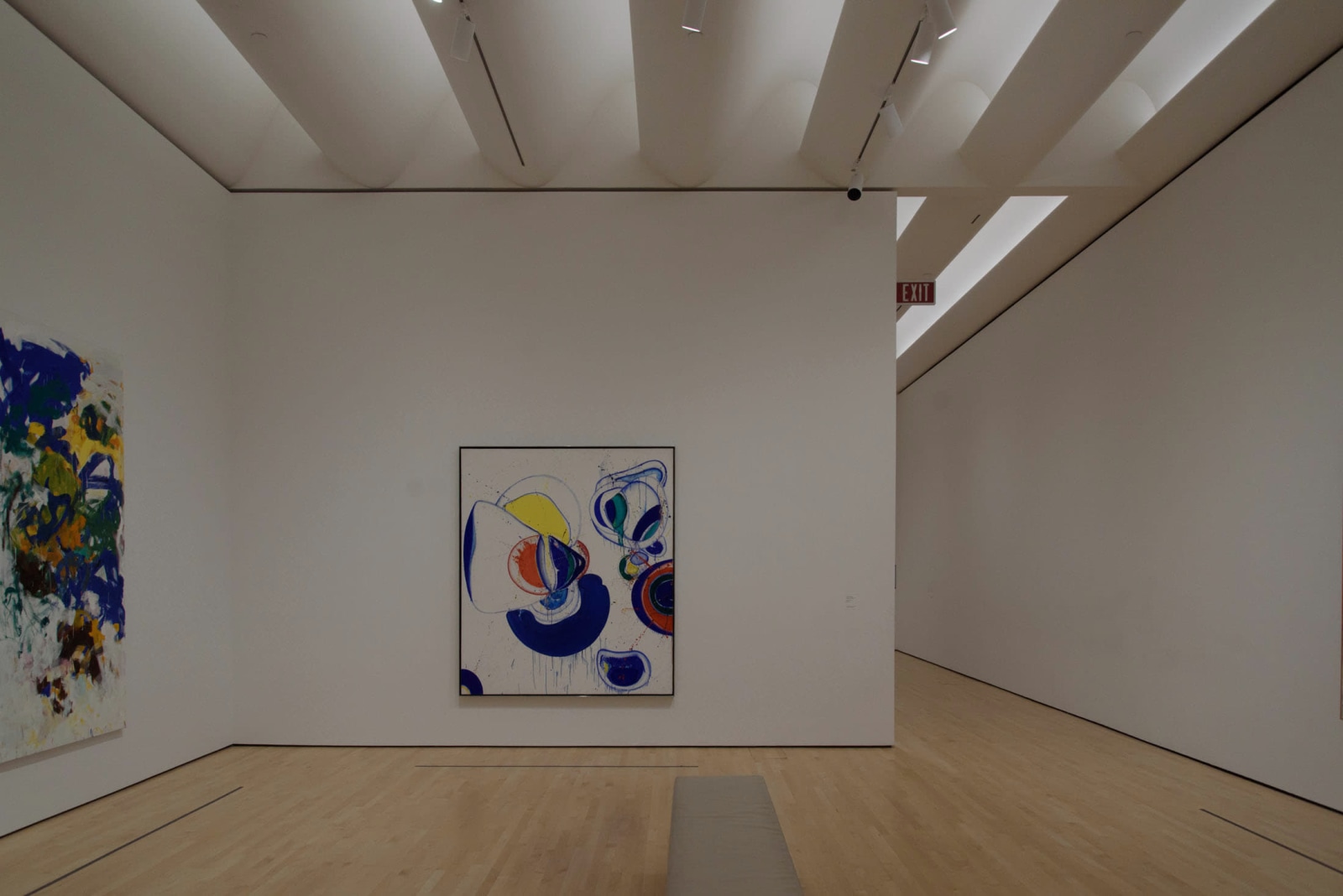
The SFMOMA is a tale of two architectures in dialogue. Mario Botta’s original 1995 building is a postmodern fortress, a symmetrical brick ziggurat centered on a vast, top-lit oculus—a gesture of civic monumentality. In 2016, Snøhetta’s expansion surgically attached a massive, glacial form to Botta’s rear facade. The core design move was to invert Botta’s inward-looking logic. Snøhetta introduced porosity, carving new public routes through the ground floor to reconnect the museum to the surrounding urban fabric. The addition’s eastern facade, clad in over 700 silicate-faced fiberglass panels, is designed to catch the city’s unique, shifting light, its form inspired by the waters of the San Francisco Bay. This created a dynamic counterpoint to Botta’s heavy, earthbound masonry, transforming a self-contained institution into an open, extroverted civic space.
旧金山现代艺术博物馆
美国 旧金山
1995/2016年
SFMOMA是一场两种建筑语言的对话。马里奥·博塔1995年的原作是一座后现代主义的堡垒——一个对称的砖砌金字塔,以一个巨大的顶部采光“眼”为中心,呈现出一种强烈的城市纪念碑性。2016年,Snøhetta的扩建则如外科手术般,将一个巨大的、如冰川般的体量嫁接到博塔建筑的后方。其核心设计手法是彻底反转博塔内向的逻辑。Snøhetta引入了渗透性,在首层切开数条新的公共通道,将博物馆与周边的城市肌理重新连接。扩建部分东立面覆盖的700多块硅酸盐饰面玻璃纤维板,旨在捕捉旧金山独特多变的光线,其形态灵感则源于海湾的水波。这为博塔厚重、扎根于大地的砖砌结构创造了一个充满活力的对位,将一个内向的机构转变为一个开放、外向的城市公共空间。