Getty Center
Los Angeles, USA
1984~1997
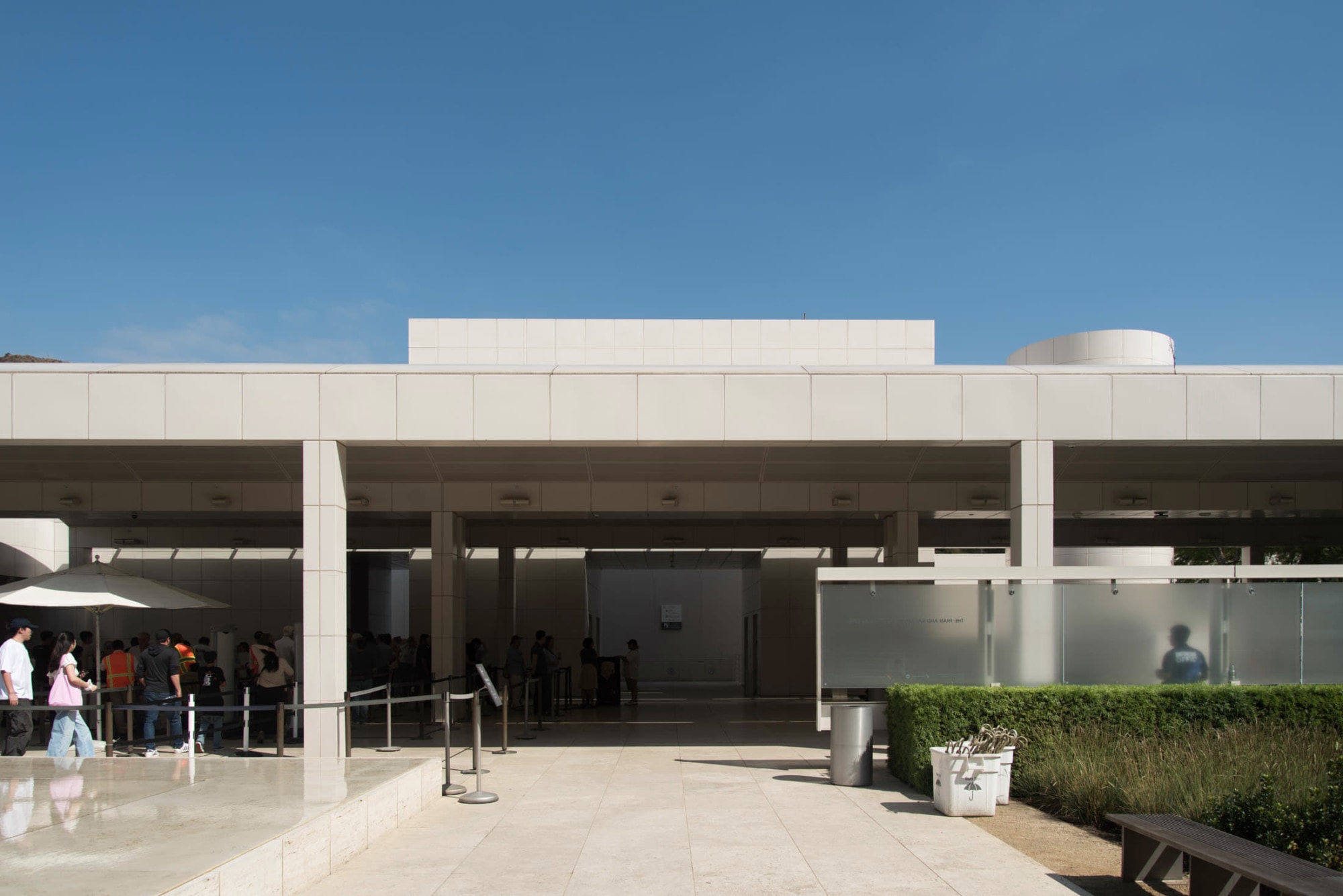
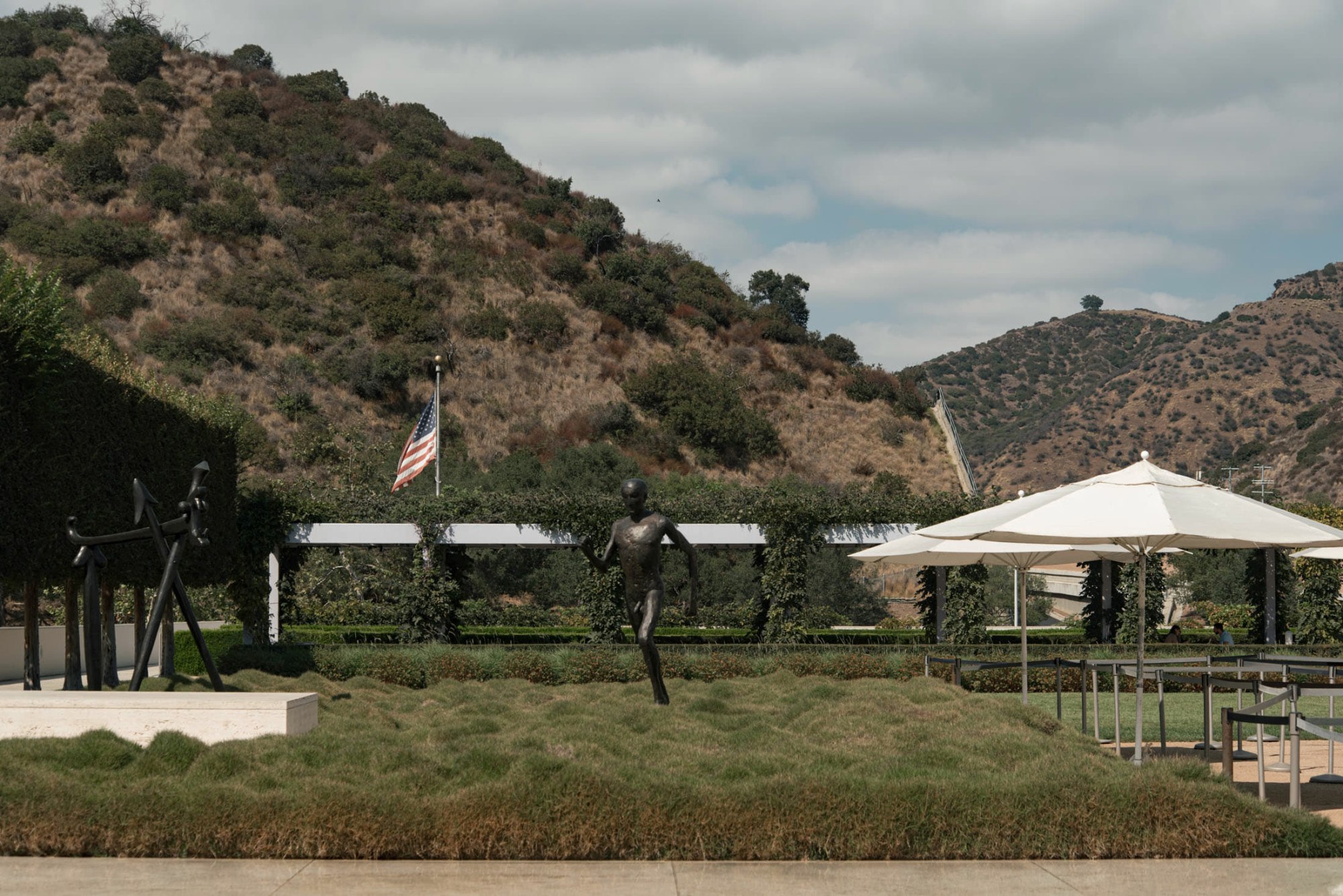
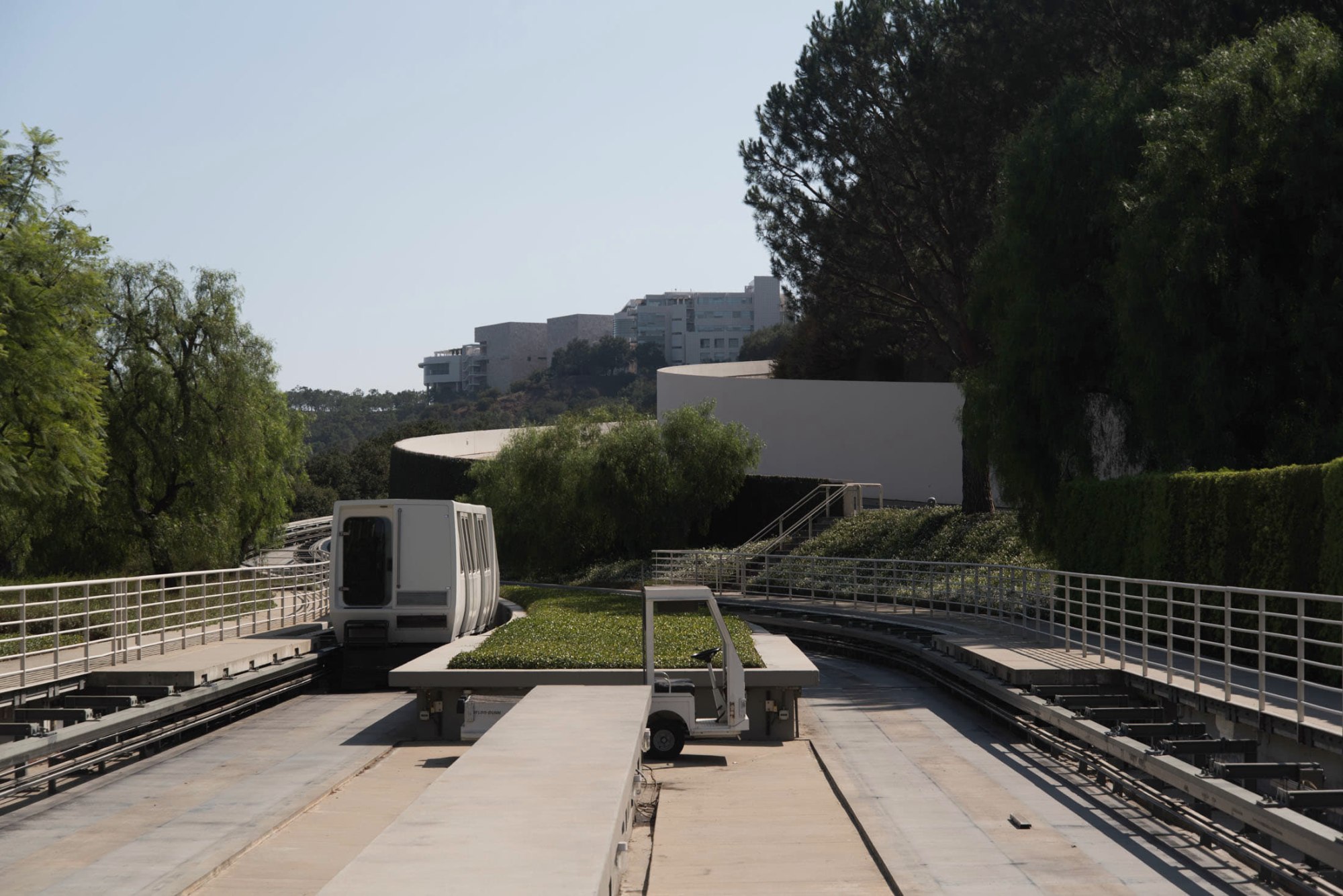
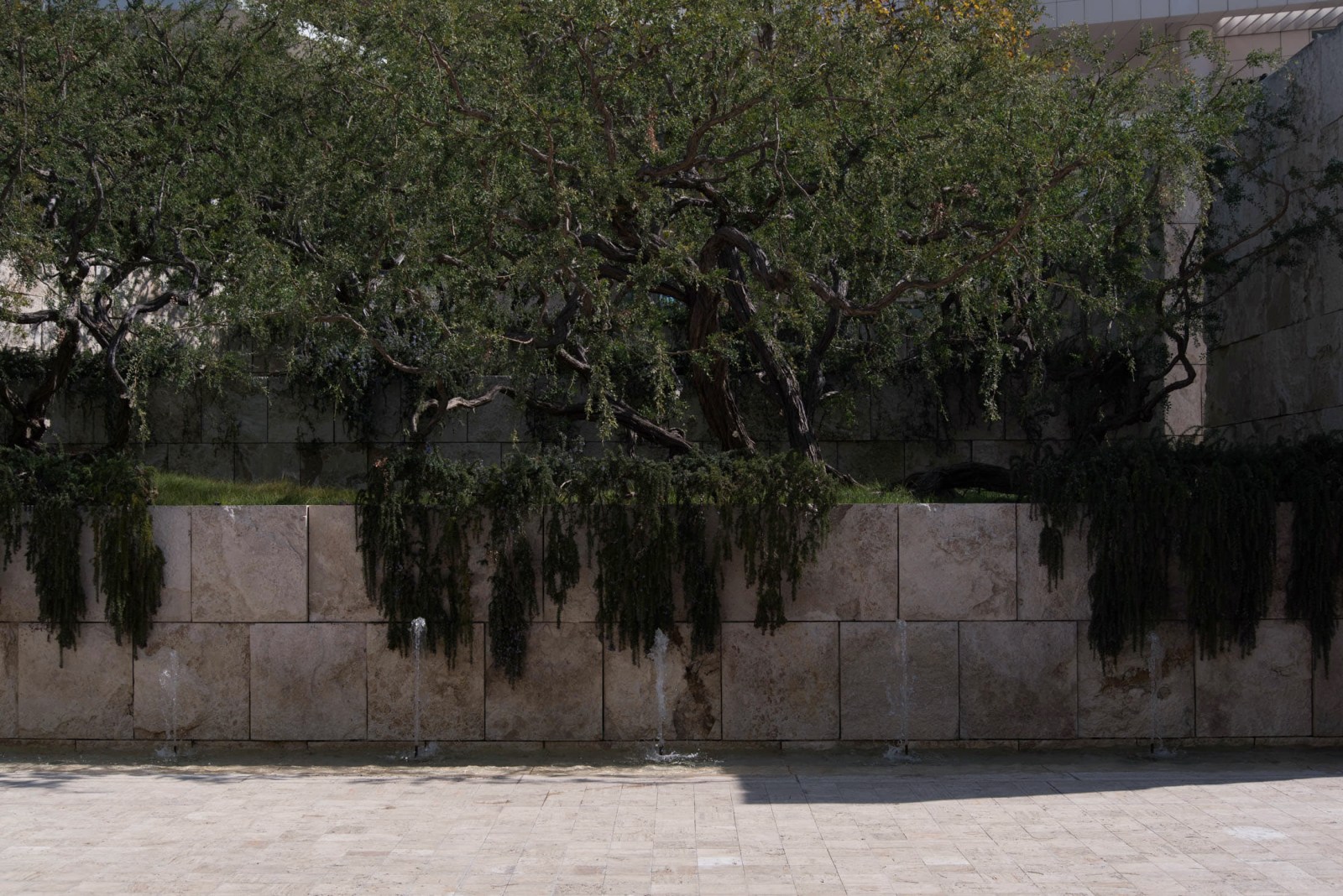
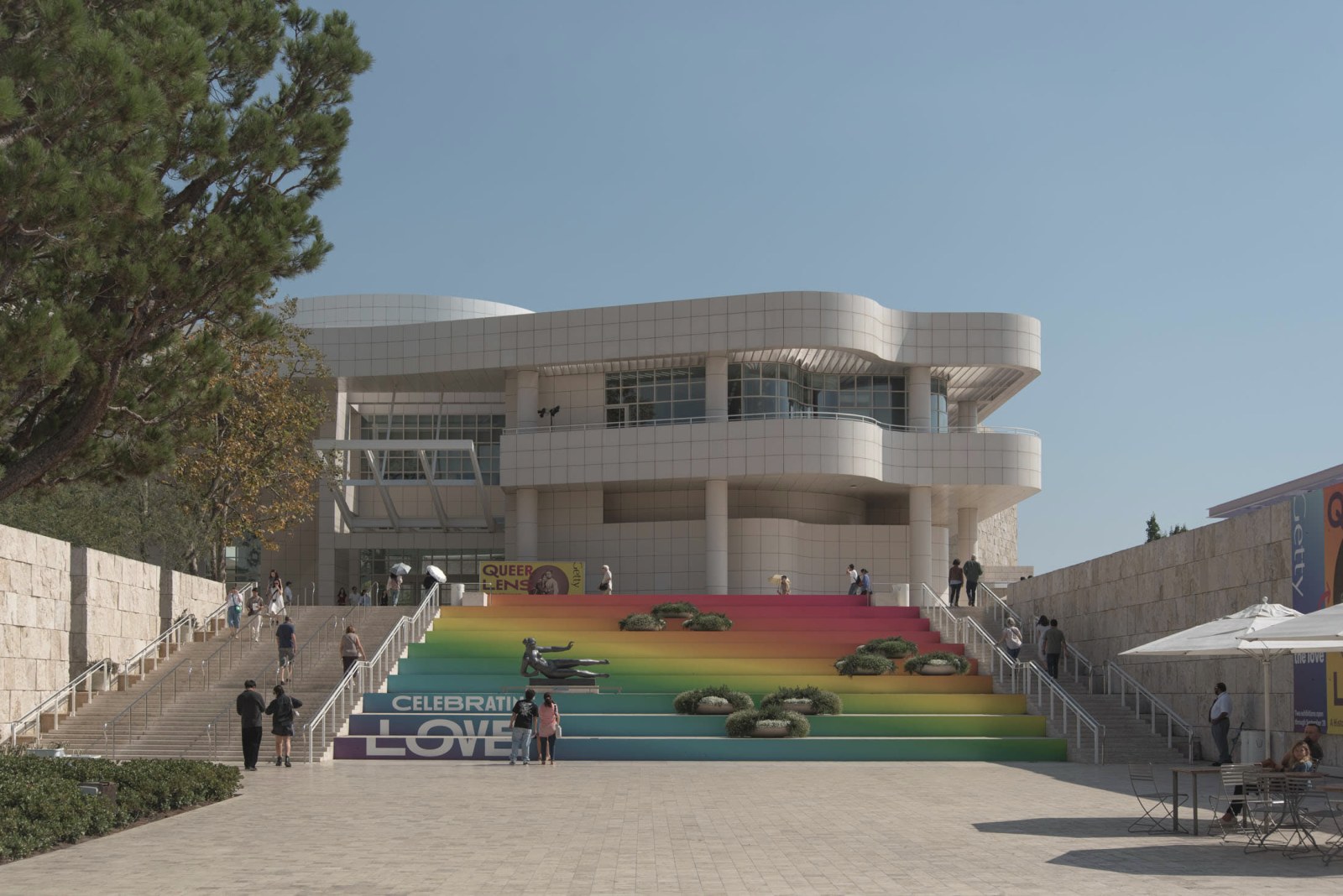
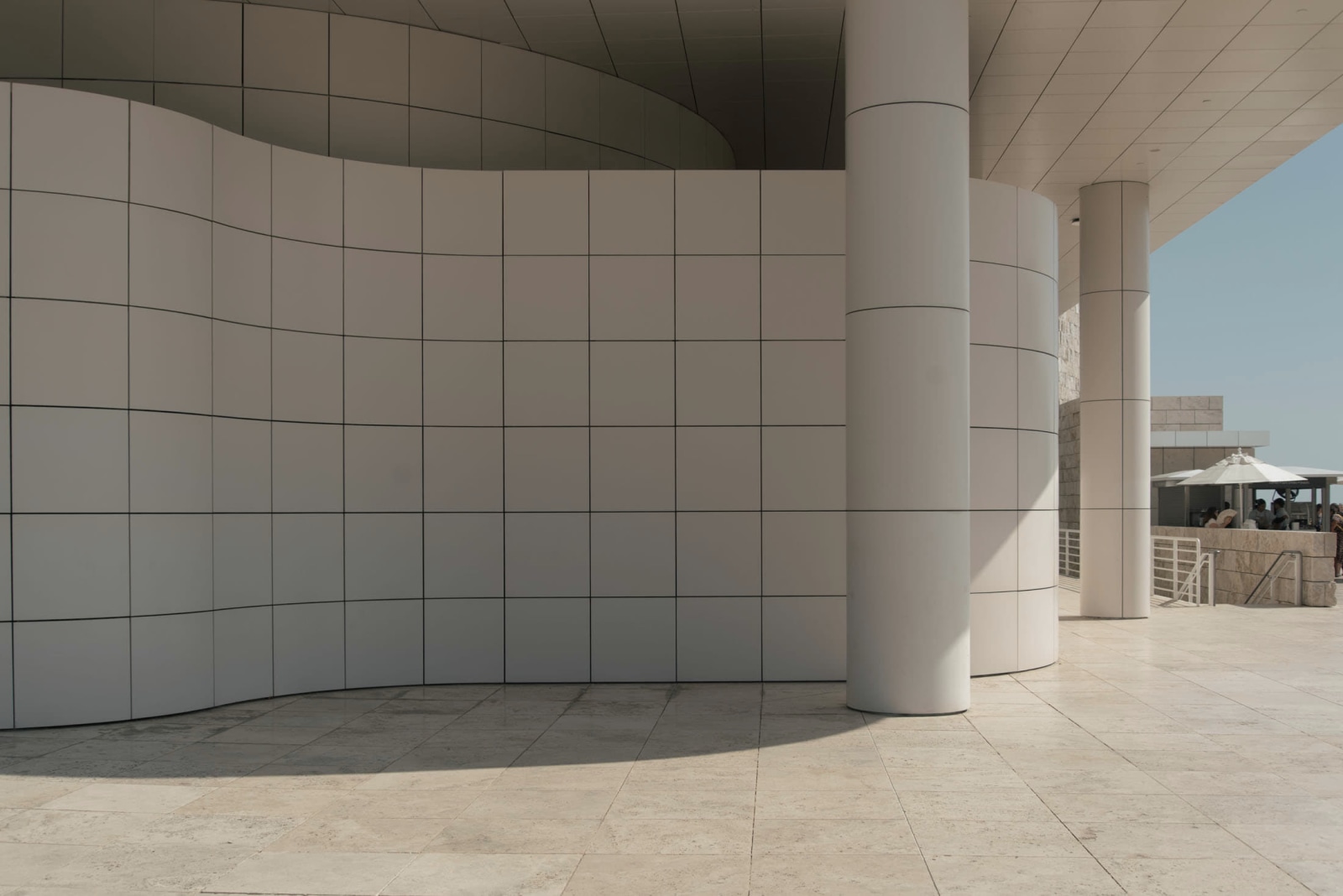
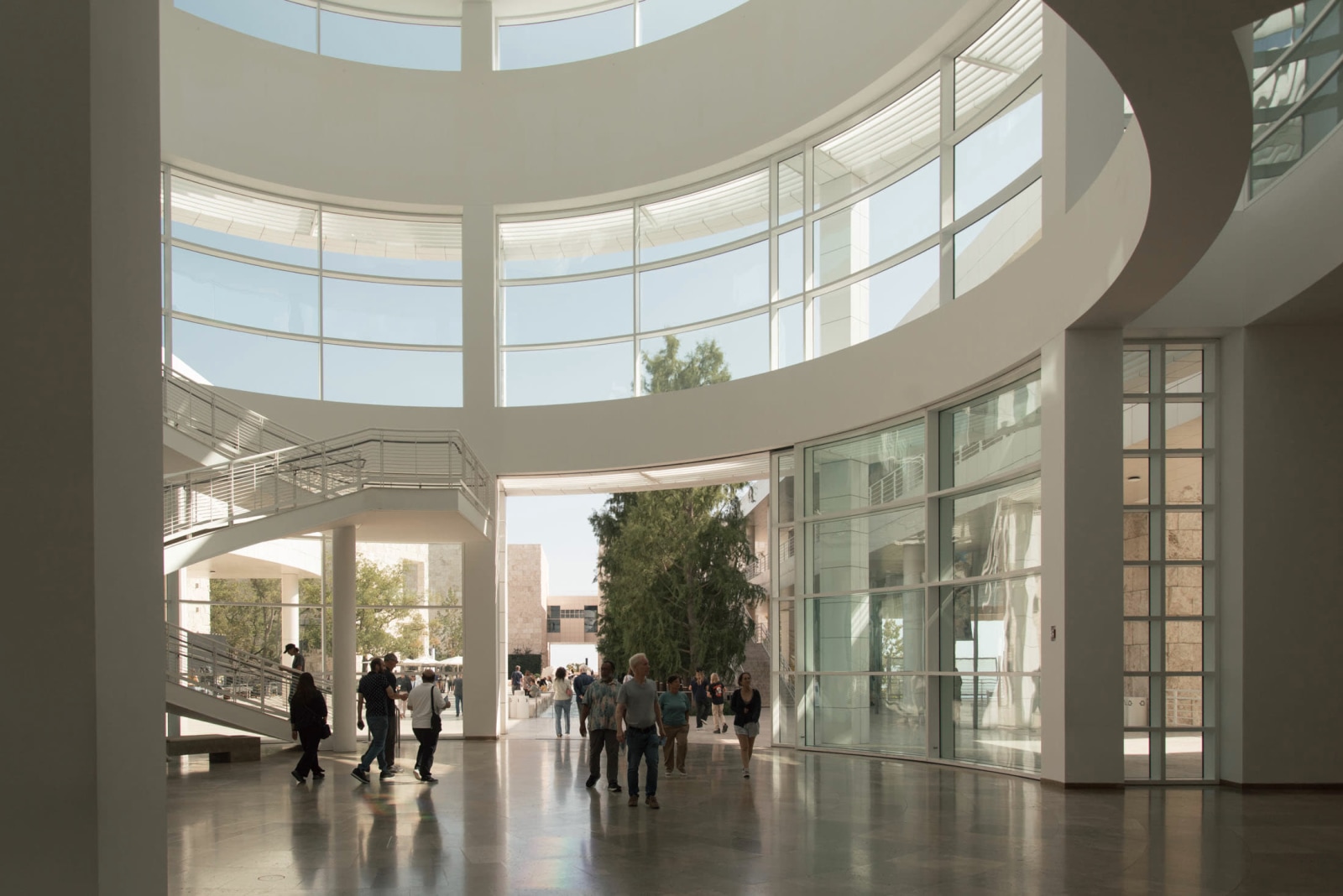
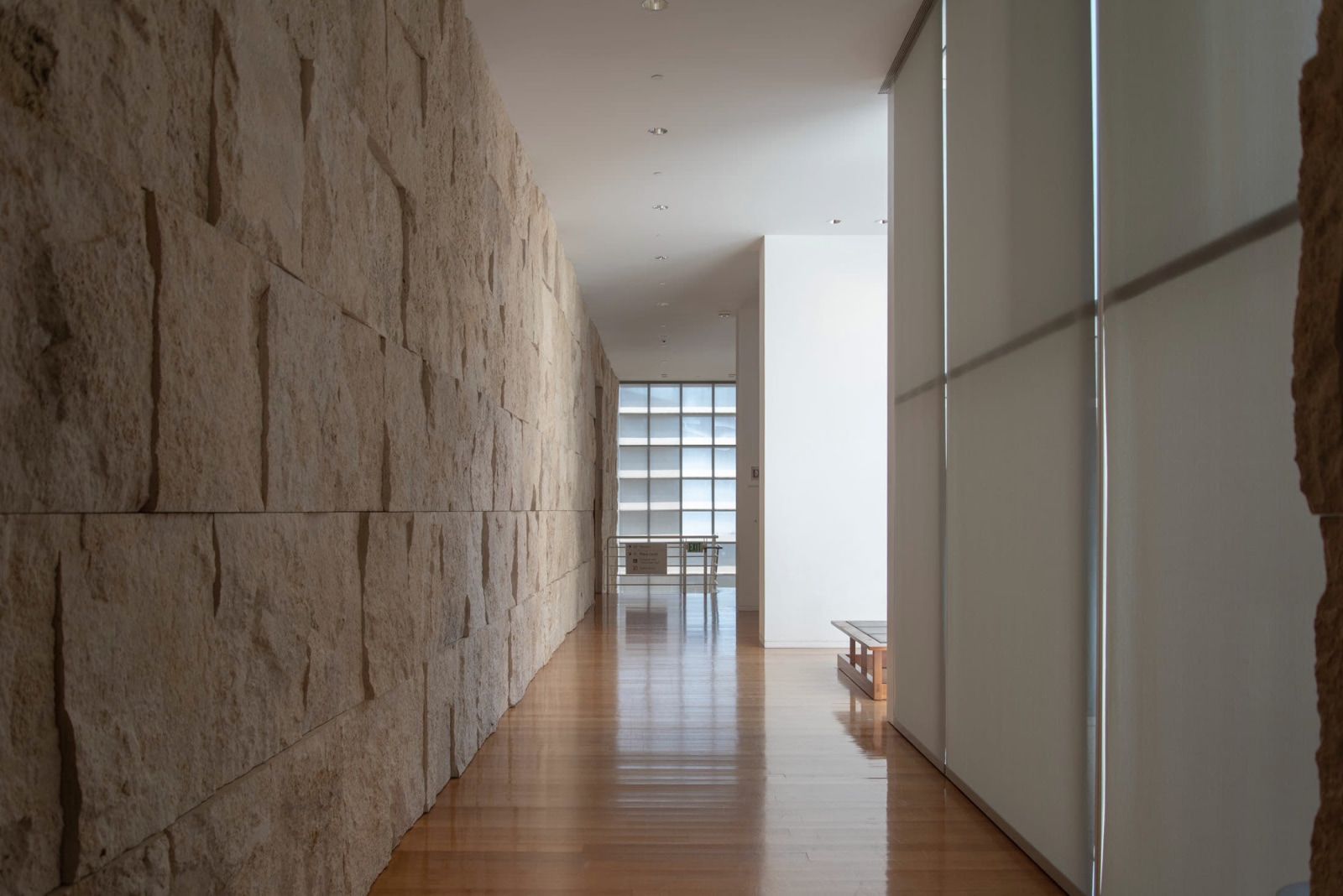
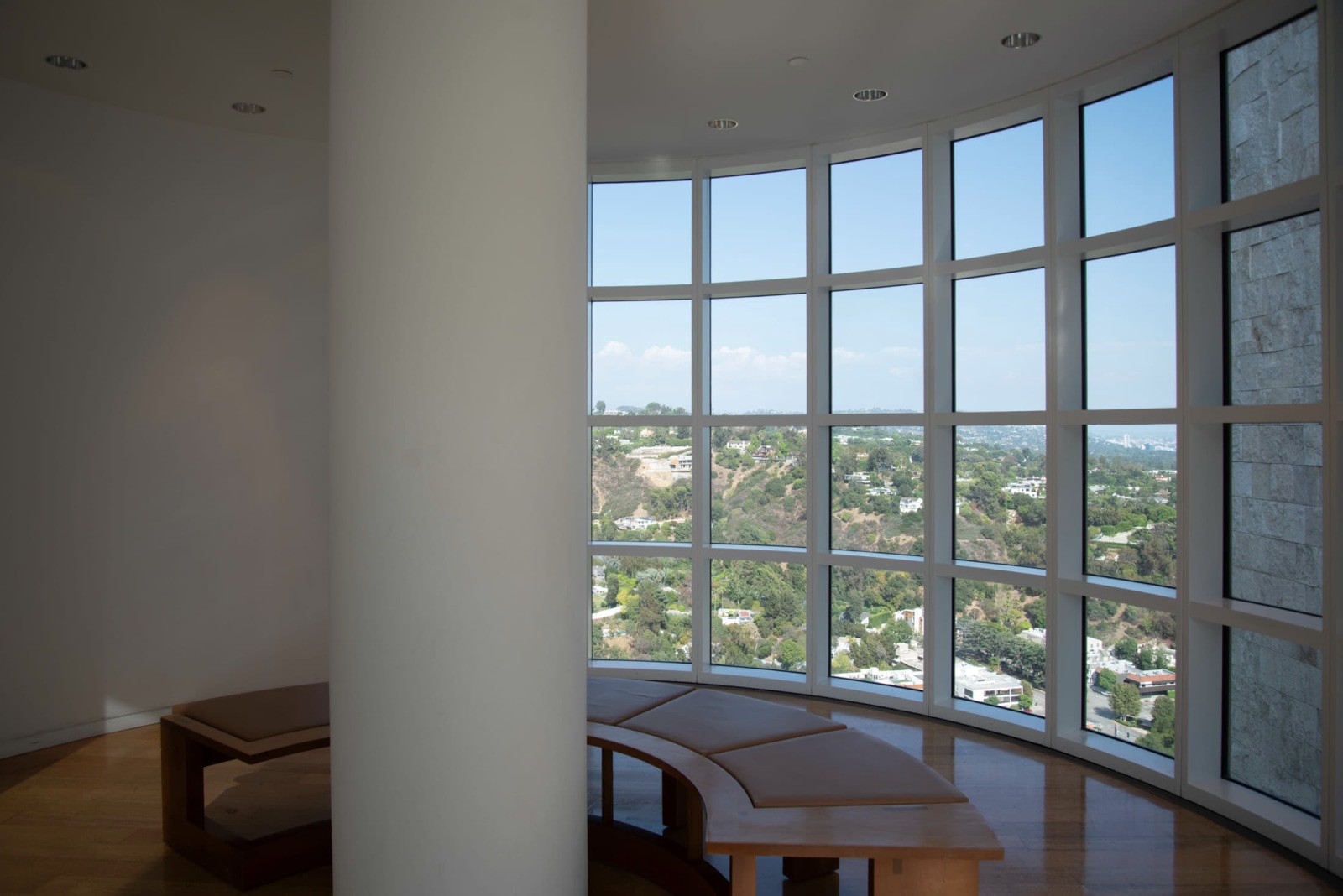
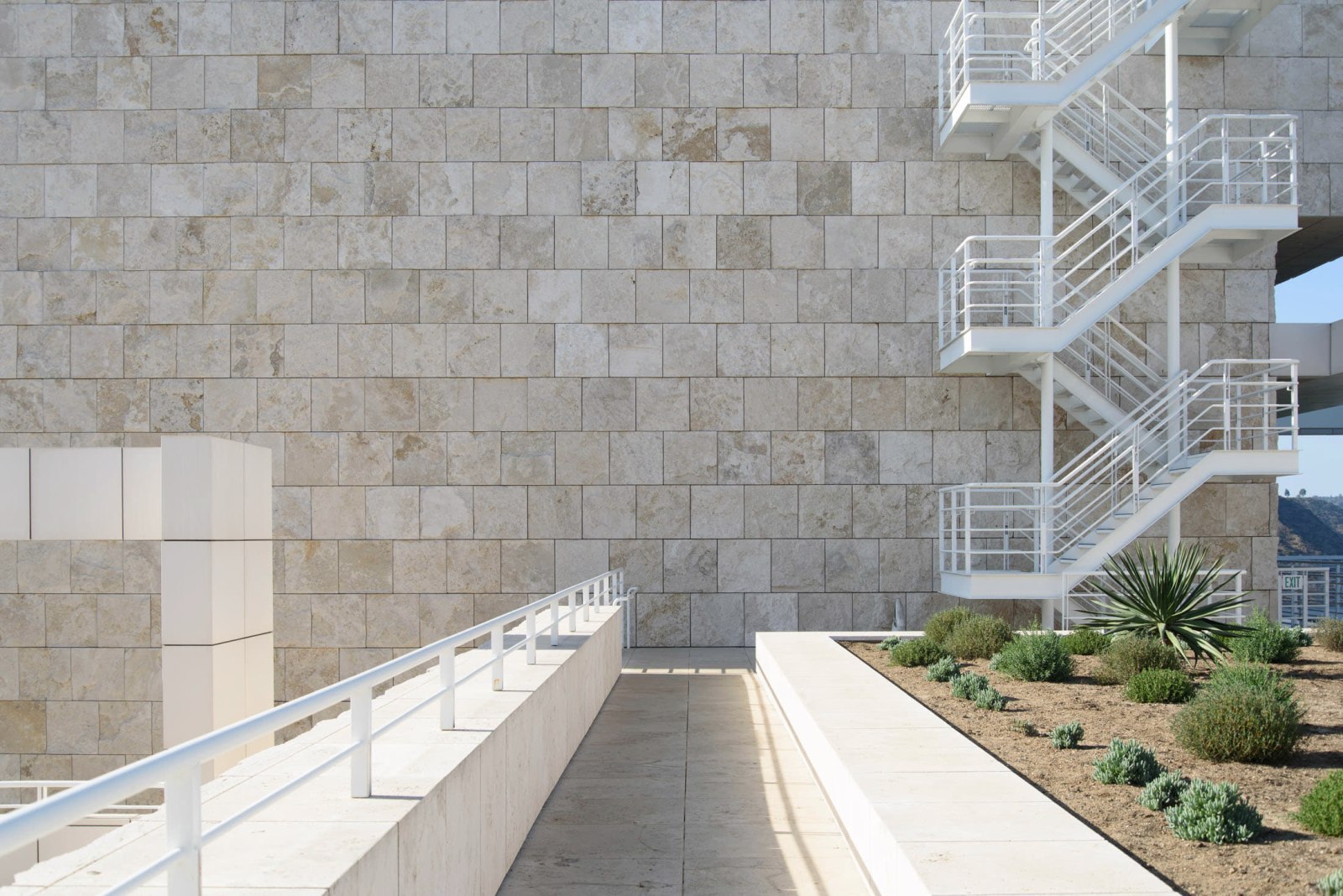
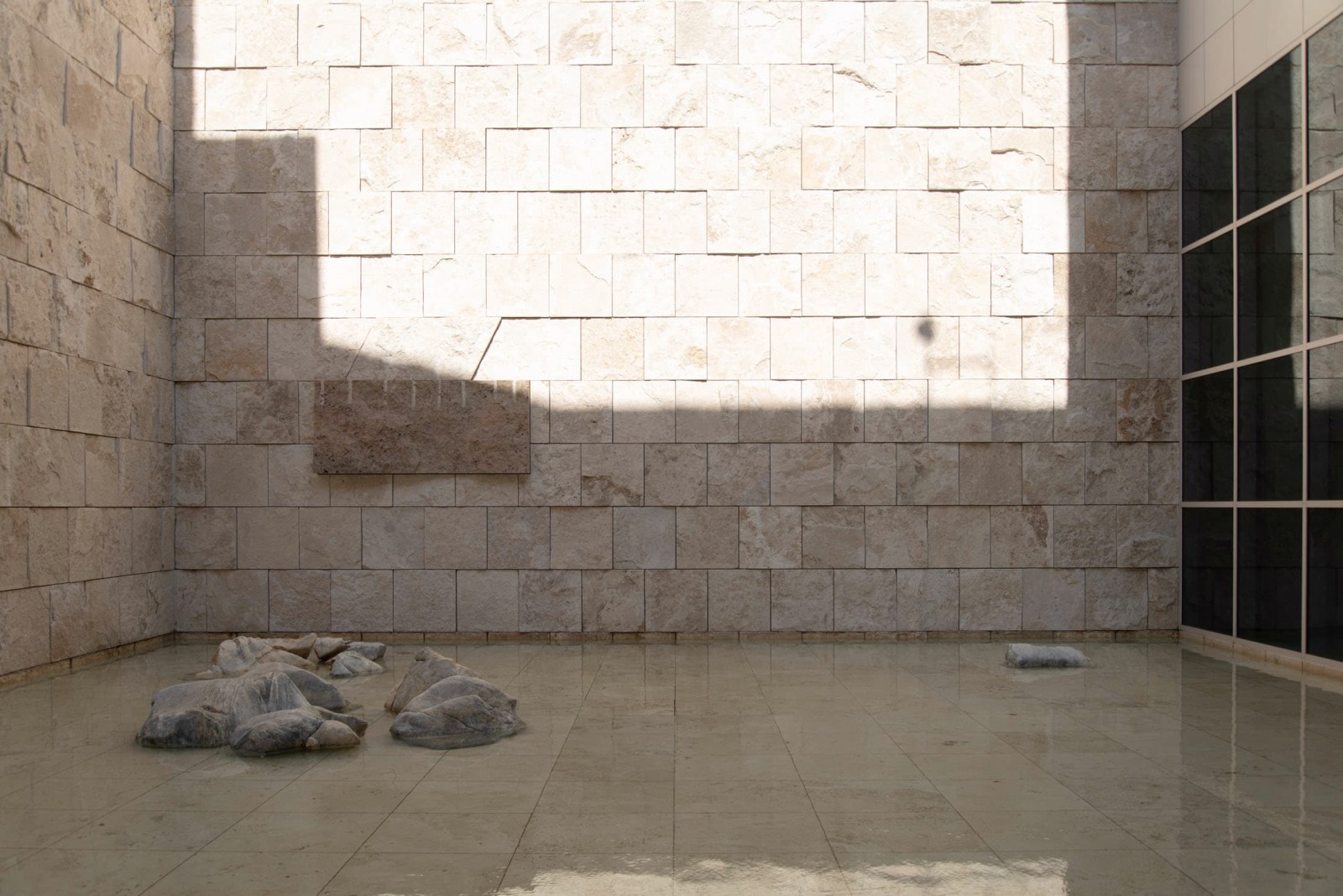
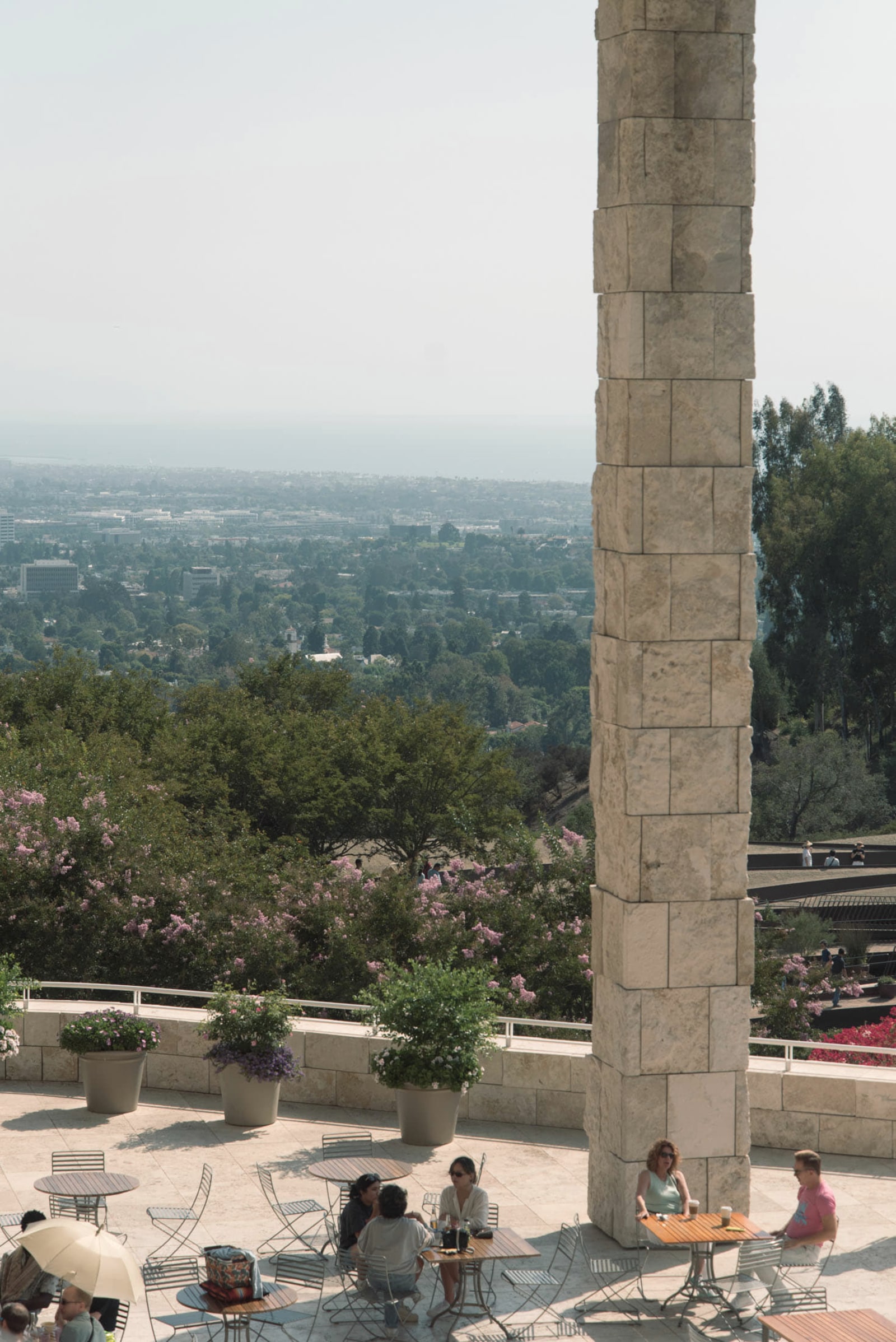
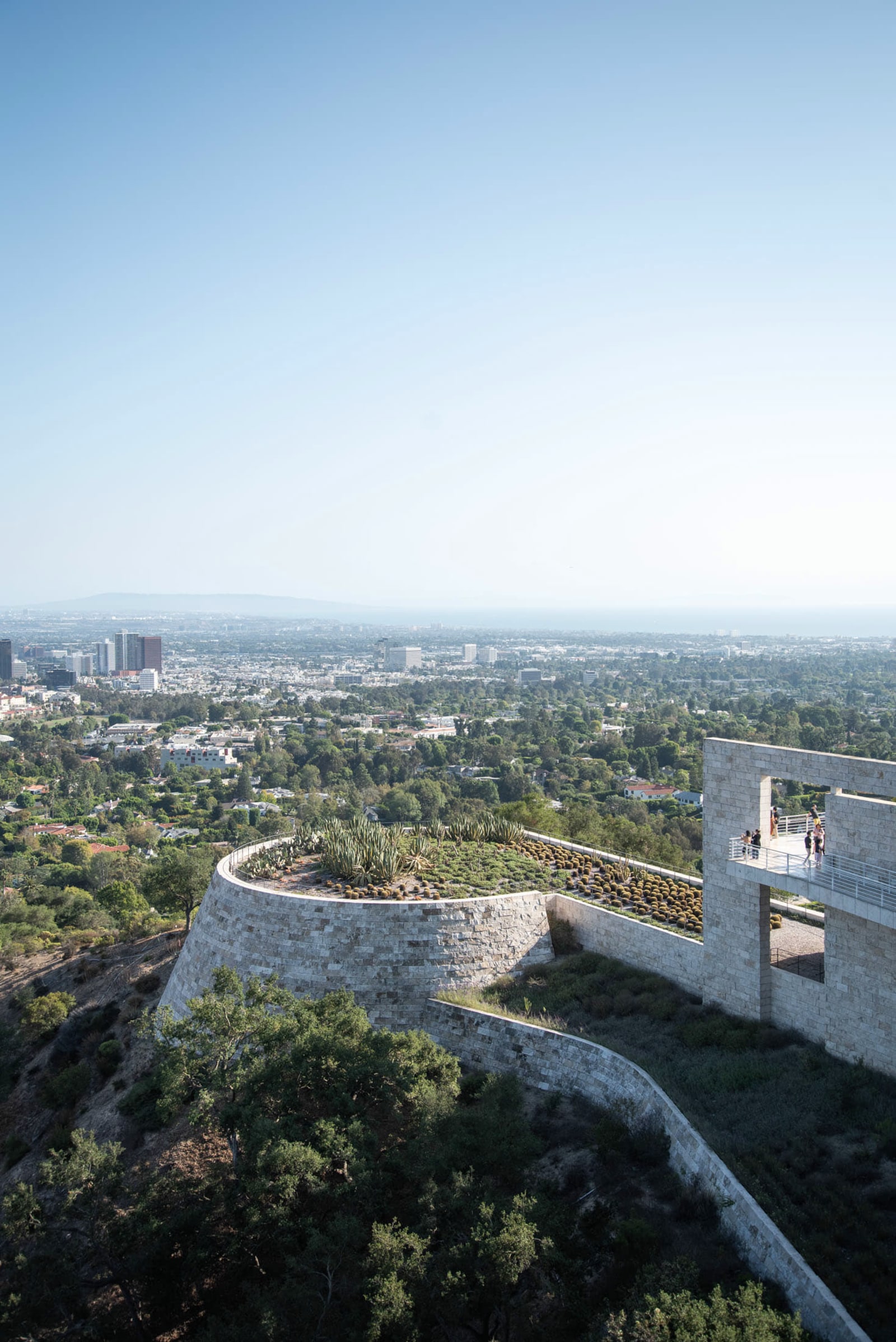
Richard Meier’s Getty Center is not just a museum but a public acropolis, a total work of landscape and architecture organized by the interplay between the Los Angeles grid and the site’s topography. Circulation is key: a funicular railway lifts visitors from the city into a choreographed sequence of plazas, gardens, and galleries orchestrated around two primary axes. One aligns with the urban grid to the south, rooting the complex in its metropolitan context, while the other pivots 22.5 degrees to follow the natural ridgeline. The choice of rough-cut Italian travertine for paving and primary walls is both a nod to Roman monumentality and a device to soften the California sun, its texture capturing light and shadow. In contrast, Meier’s signature white enameled-metal panels articulate a secondary, more precise geometric order, turning the entire complex into a didactic essay on nature and reason, geology and geometry.
盖蒂中心
美国 洛杉矶
1984~1997年
理查德·迈耶的盖蒂中心并非孤立的博物馆,而是一座公共的“卫城”,其景观与建筑围绕洛杉矶城市网格和场地地形的相互作用而组织。流线是设计的关键:缆车将访客从城市提升至一个精心编排的序列,广场、花园与画廊沿两条主轴展开。其中一条轴线与南侧的城市网格对齐,将建筑群锚固于其都市文脉中;另一条则偏转22.5度,顺应山脊的自然走向。粗切的意大利石灰华作为铺地和主墙,既是对罗马纪念性建筑的致敬,也是柔化加州阳光的媒介,其肌理捕捉着光影的变幻。与之相对,迈耶标志性的白色珐琅金属板则清晰地表达了另一套更精确的几何秩序。整个建筑群由此成为一篇关于自然与理性、地质与几何的思辨性文章。