Zhenru Temple
Shanghai, China
1320
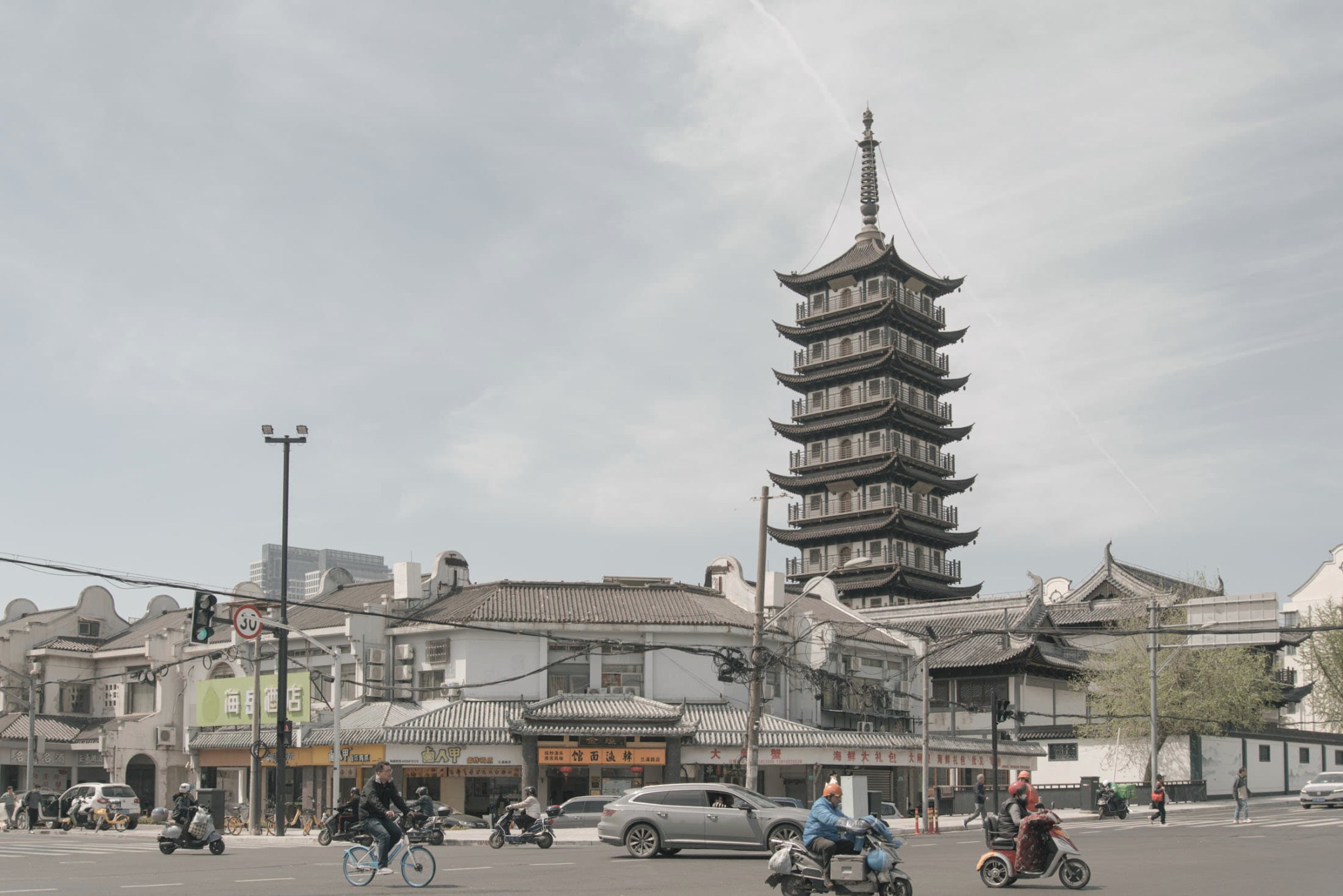
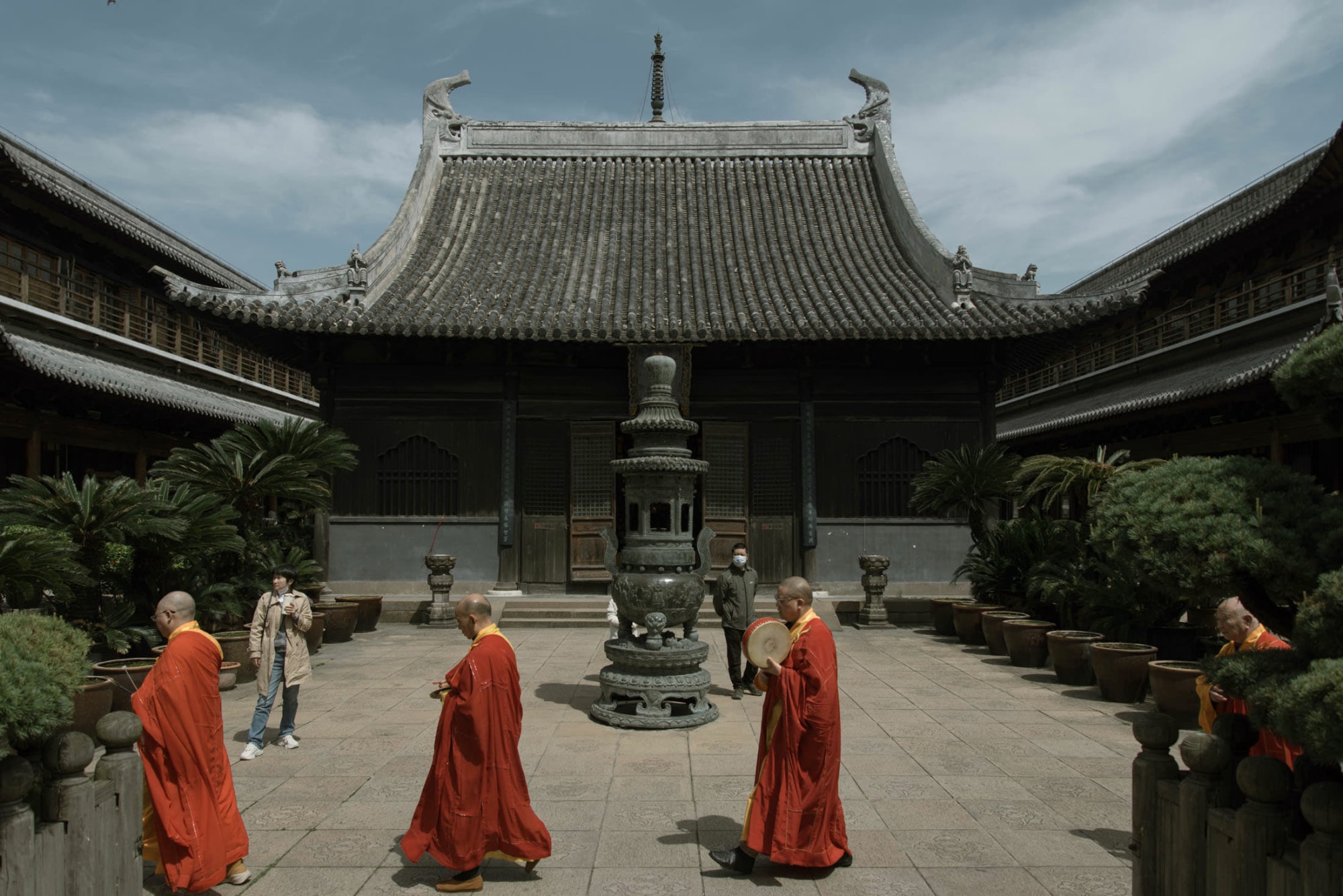
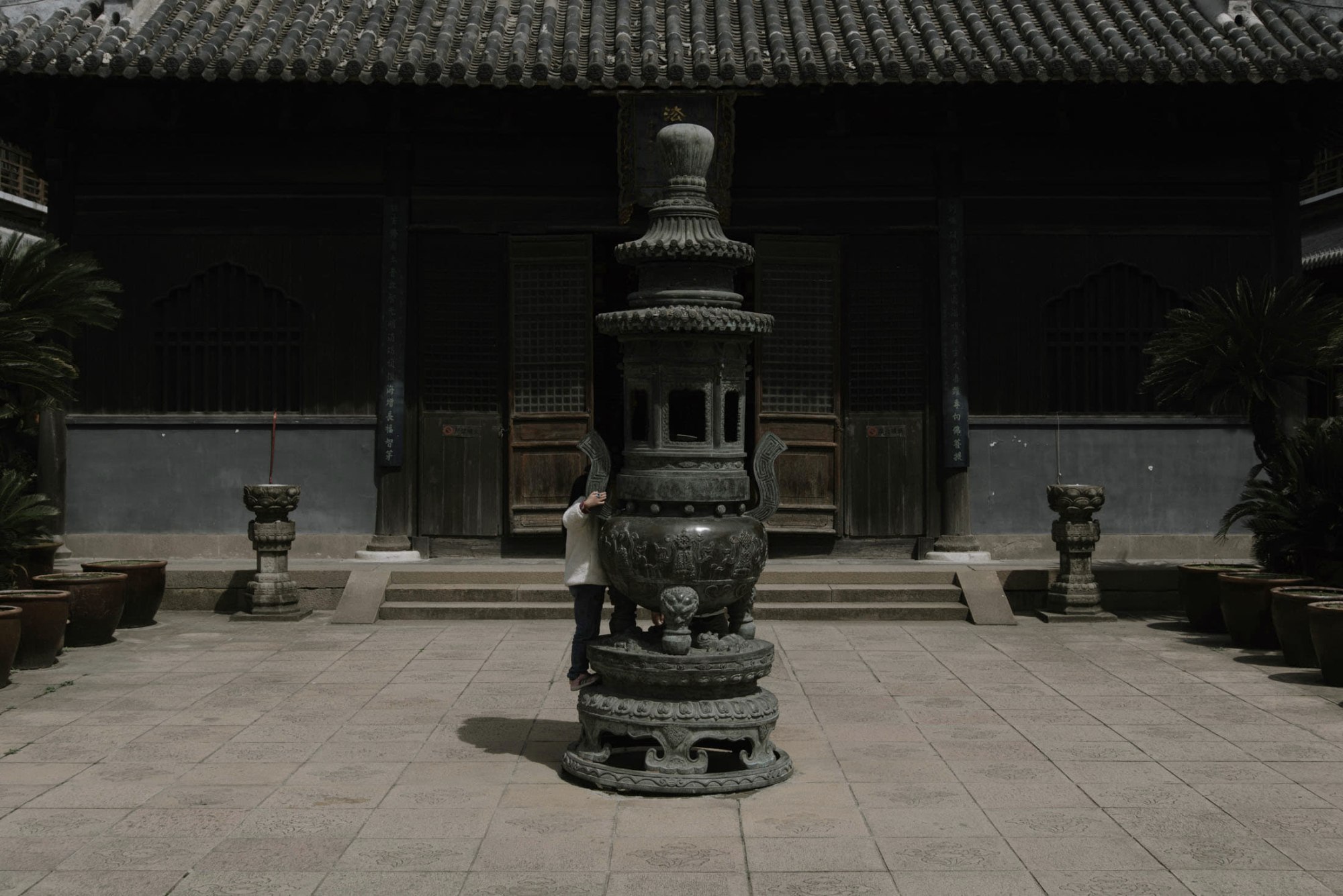
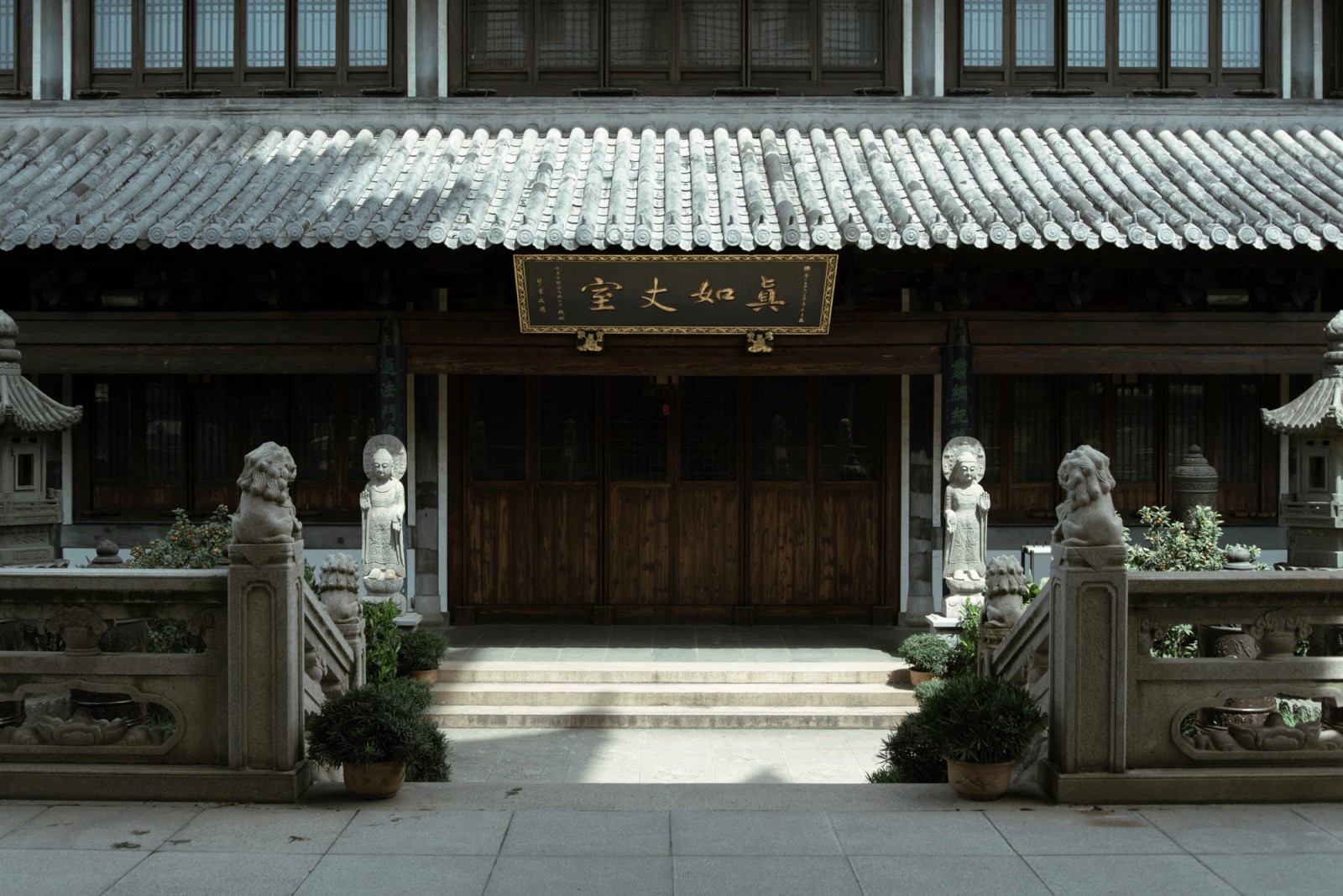
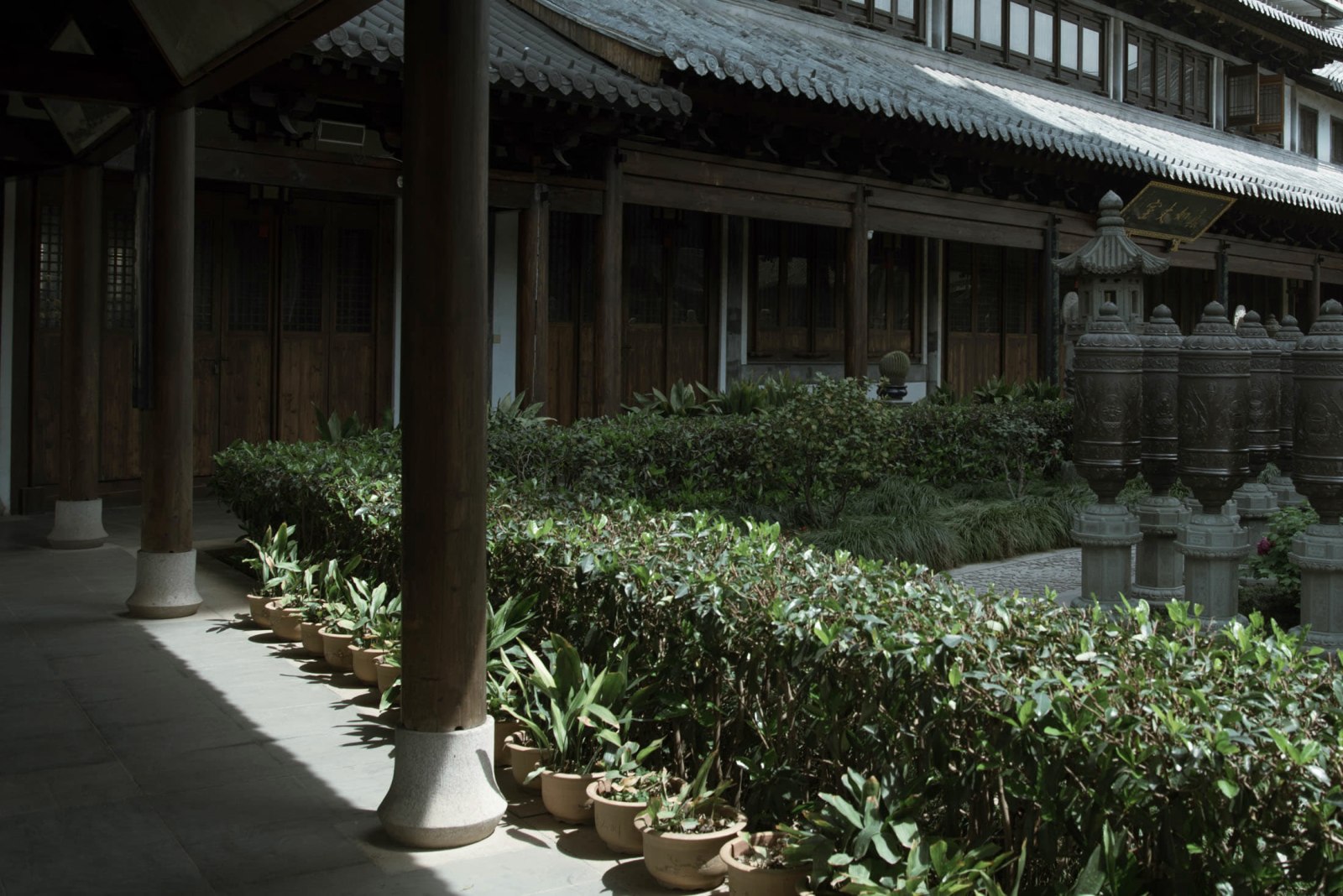
Zhenru Temple in Shanghai, originally founded during the Song dynasty, is a rare example of Yuan dynasty timber architecture in China, with its Mahavira Hall dating back to 1320. Unlike many temples that underwent extensive reconstruction, the Mahavira Hall retains significant original structural elements, offering a tangible link to medieval Chinese craftsmanship. Its single eave gable and hip roof, supported by 16 timber pillars, exemplifies the refined structural logic and aesthetic principles of the era. The temple's modest scale and historical resilience, surviving periods of conflict and cultural shifts, highlight its enduring significance not just as a religious site but as a crucial artifact of architectural heritage. Its design emphasizes understated elegance and structural clarity, allowing the raw beauty of its construction to convey a profound sense of history and spiritual continuity.
真如寺
中国 上海
1320
真如寺始建于宋代,其大雄宝殿是国内罕见的元代木构建筑实例,可追溯至1320年。不同于许多经历大规模重建的寺庙,真如寺大雄宝殿保留了重要的原始结构构件,为我们提供了与中世纪中国工匠技艺的直观连接。其单檐歇山顶由16根木柱支撑,展现了那个时代精密的结构逻辑和审美原则。这座寺庙规模适中,历经战乱和文化变迁而屹立不倒,凸显了它作为宗教场所和建筑遗产的双重重要性。其设计强调低调的优雅和结构上的清晰,让建筑本身的原生之美传达出一种深刻的历史感和精神的延续性。