Nezu Museum
Tokyo, Japan
2009
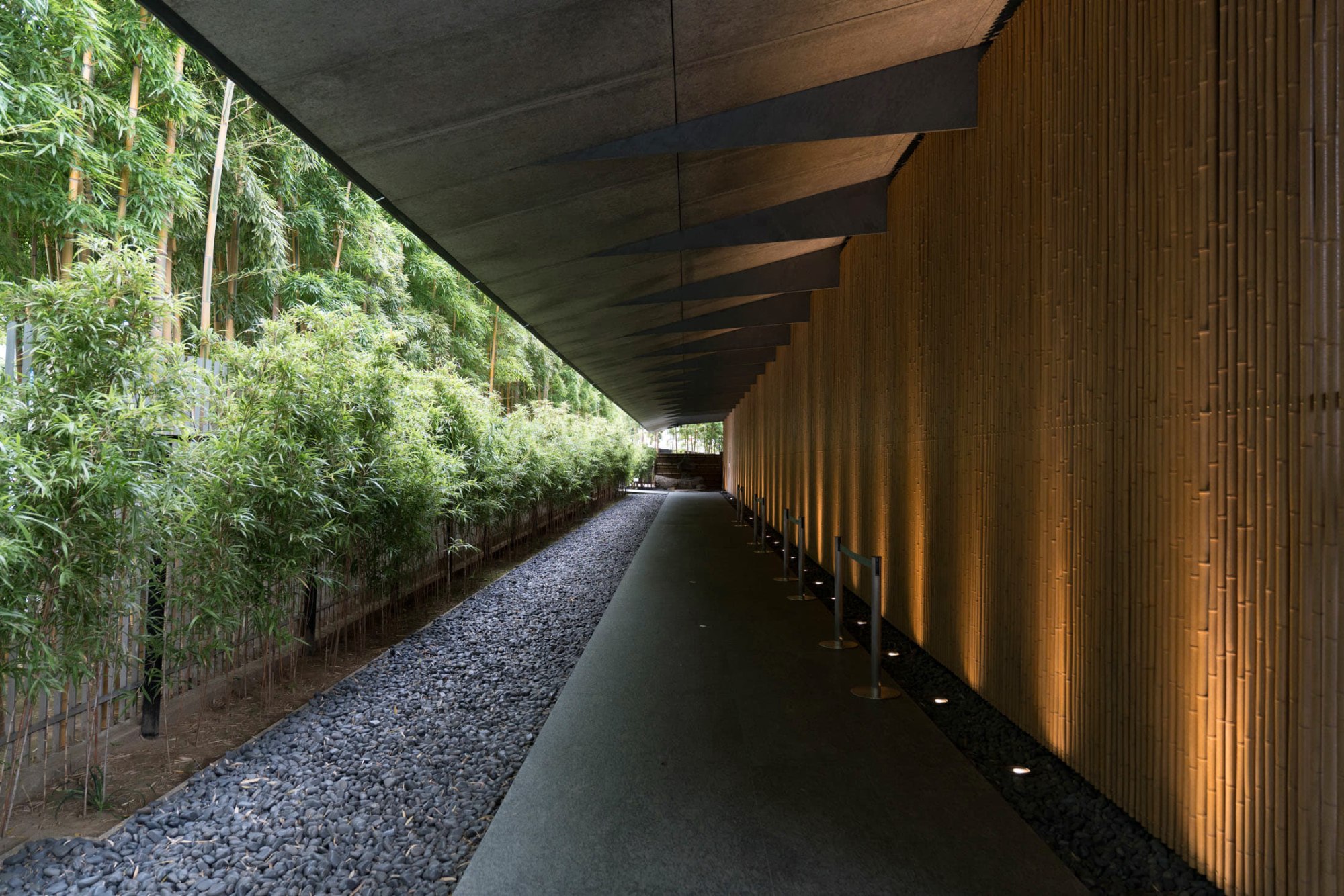
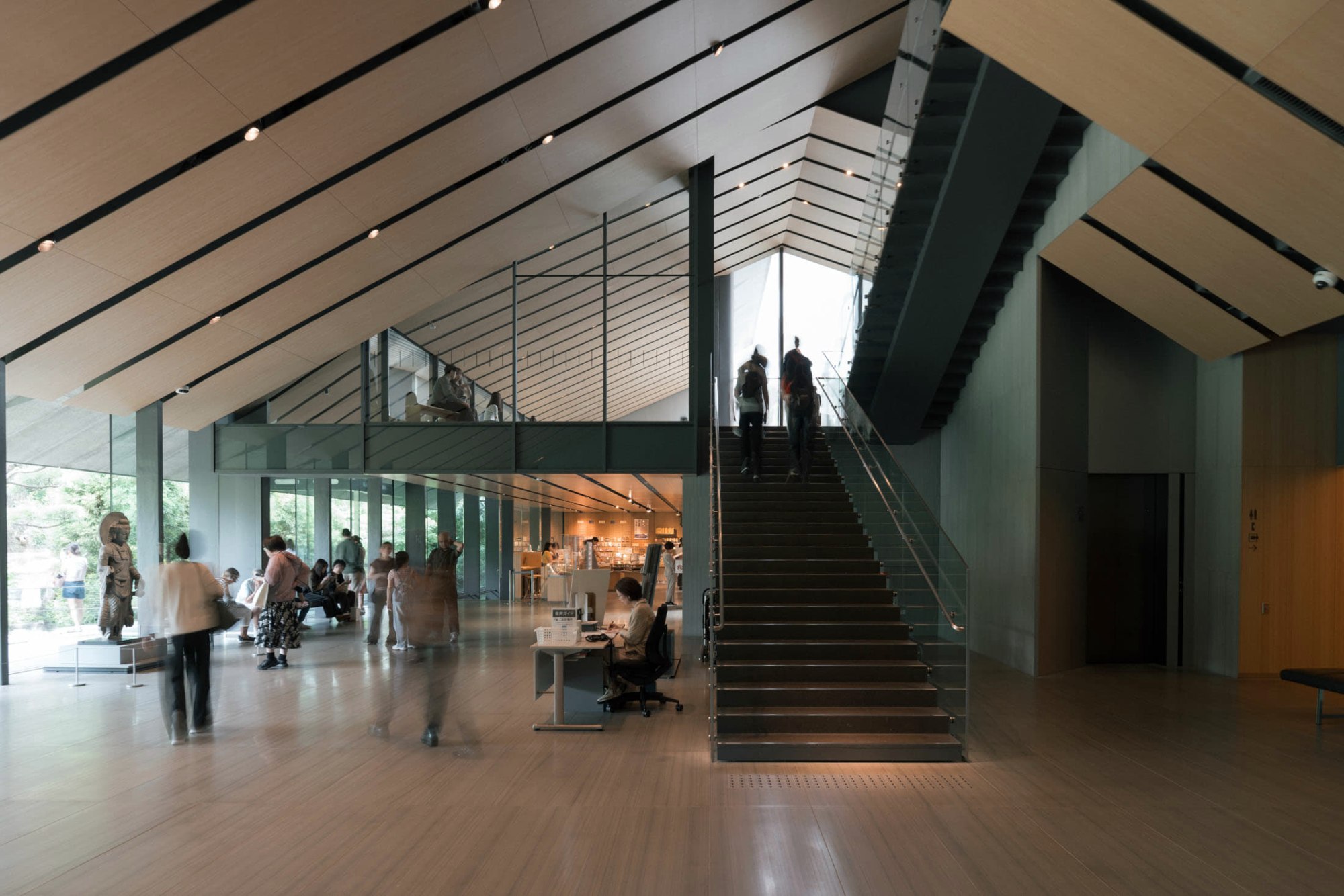
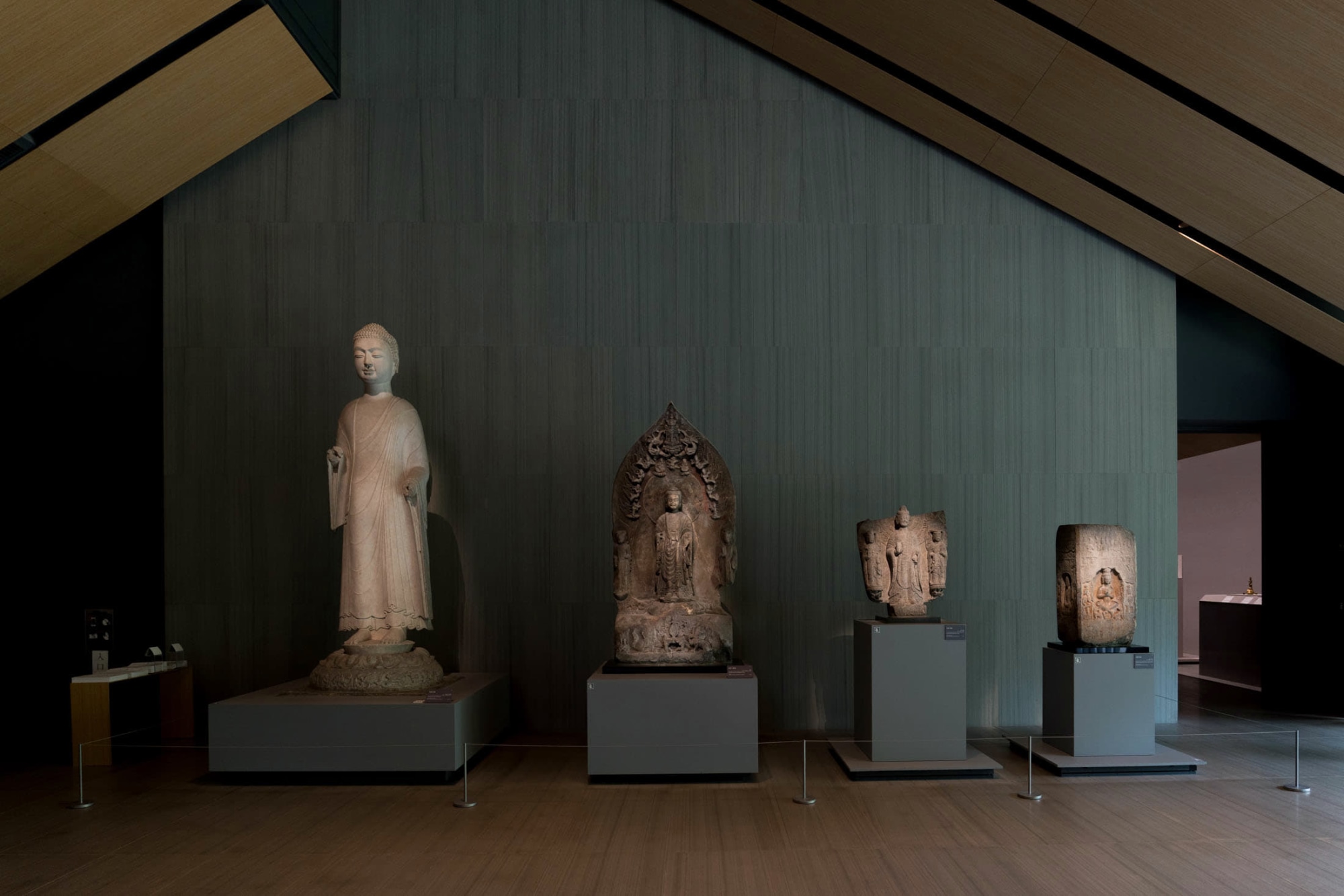
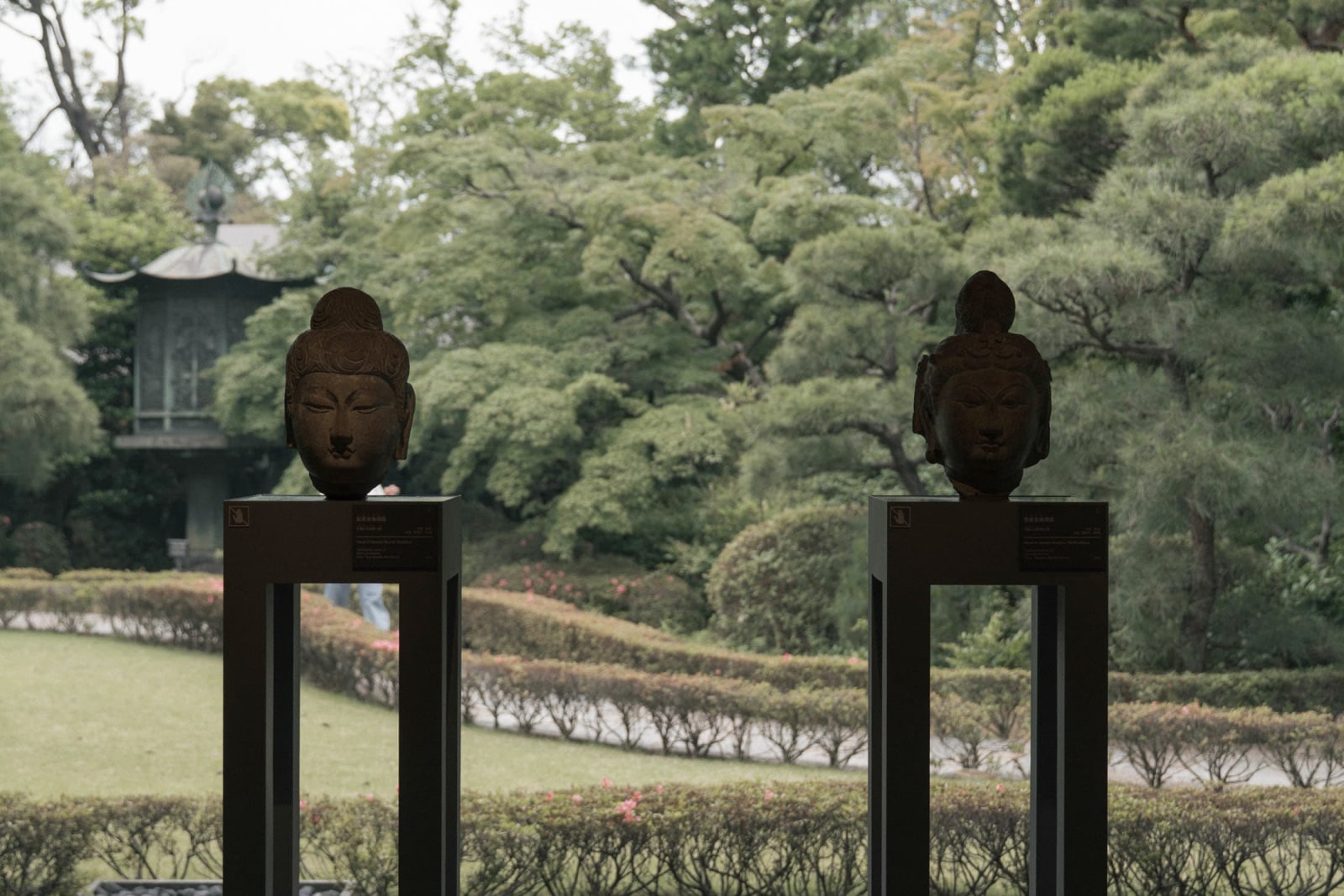
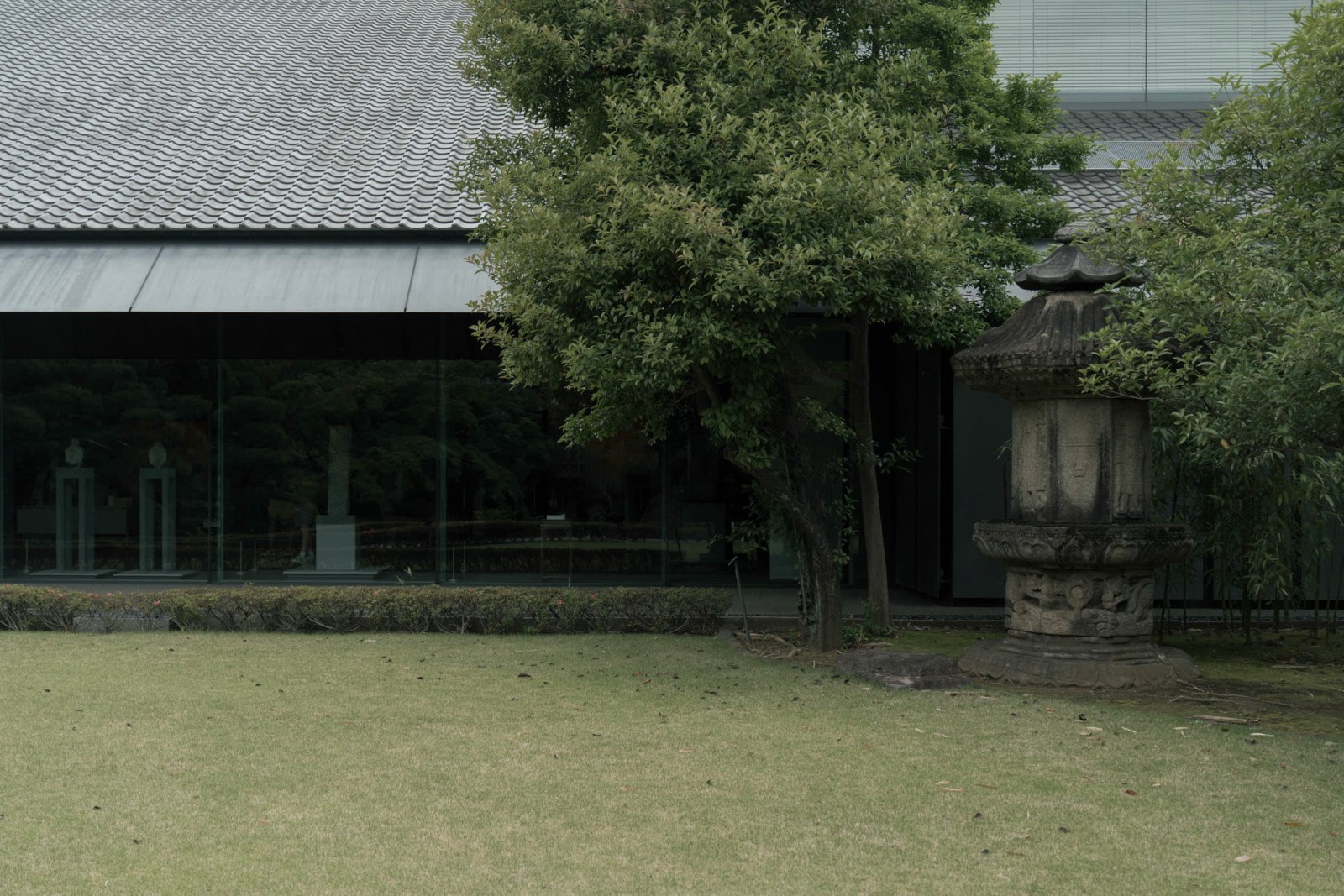
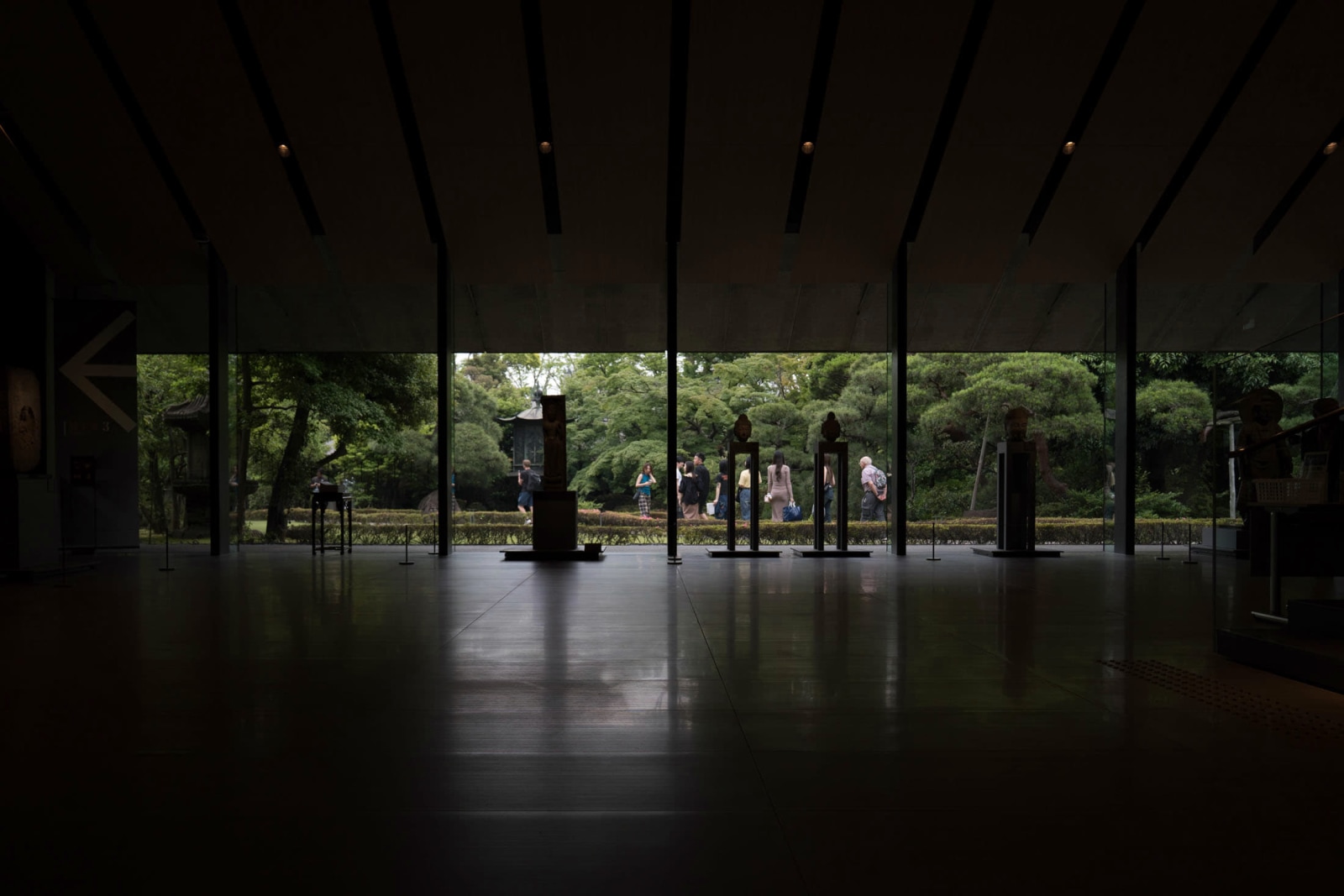
Rebuilt by Kengo Kuma, the Nezu Museum is less a stand-alone object than an urban threshold between Omotesando and a historic garden. A deep, layered eave system moderates light and climate while choreographing entry as a bamboo-lined roji, turning approach into a psychological transition from retail street to contemplative interior. Large, low-reflectance glass surfaces visually stitch galleries to the landscape, so the garden becomes a curatorial device rather than backdrop. Material choices—phosphoric-acid–treated steel, bamboo veneers, and coral-gray Qingdao stone—were calibrated to absorb glare and register subtle daylight shifts. The plan operates like a dumbbell, binding city and garden at its ends, making circulation a narrative of compression, shade, and sudden openness.
根津美术馆
日本 东京
2009
隈研吾对根津美术馆的更新并非树立一座“独立建筑”,而是打造介于表参道与历史庭园之间的城市门廊。深挑并层叠的屋檐以被动方式调节光照与微气候,同时结合竹林步道的“露地”式进入,将到达过程转化为从商业街到静观场域的心理转场;大面积低反射玻璃把展厅与庭园缝合,使“景观”转为策展的一部分而非背景。材料经精心标定:经磷酸处理的钢板、竹贴面与青岛砂岩在漫射光下避免眩光并显影细微的光变。平面以“哑铃”逻辑连接城市与庭园,行走由压缩、阴翳到豁然开敞,形成连续而克制的叙事体验。