Kunstmuseum Basel (Main Building)
Basel, Switzerland
1936
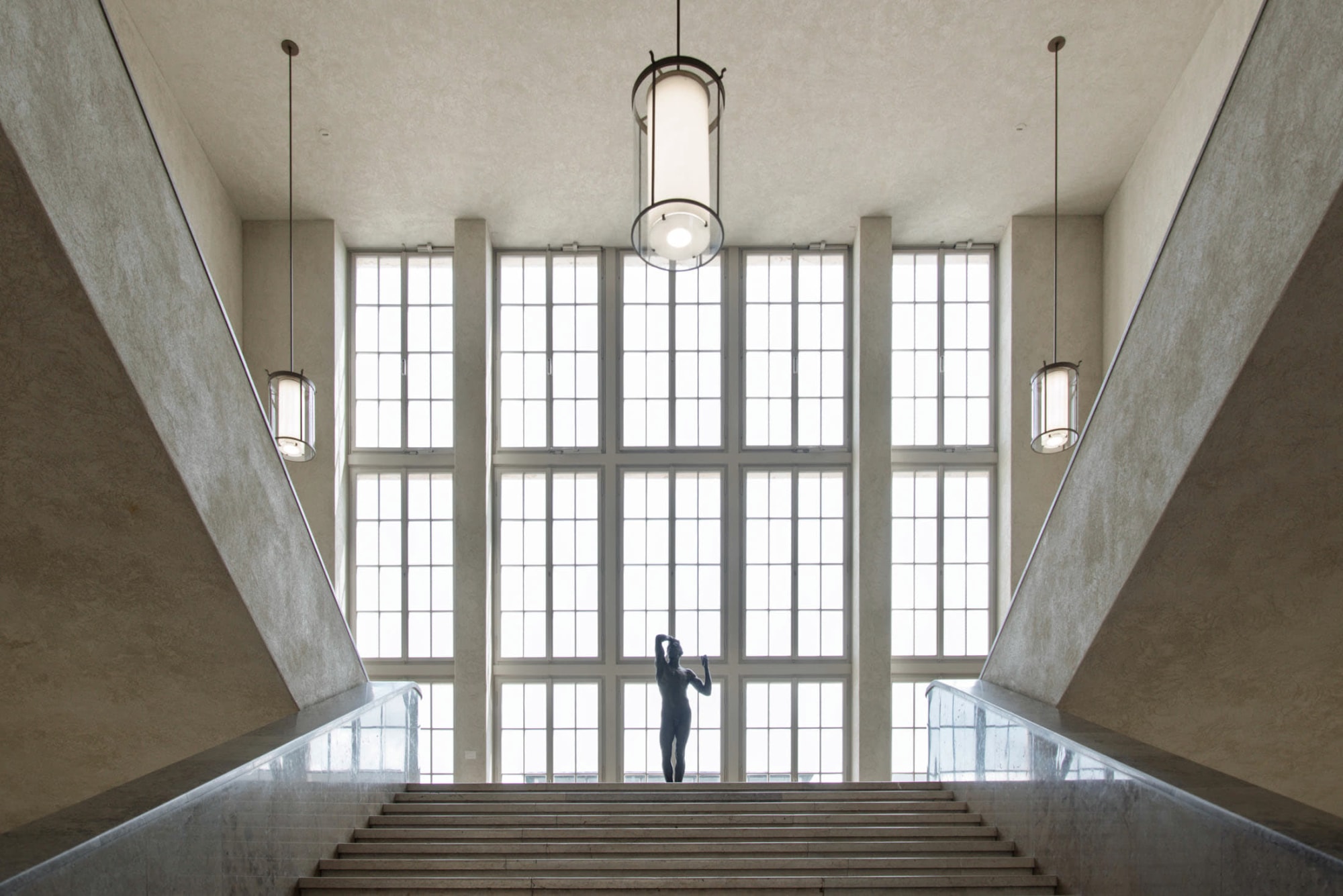
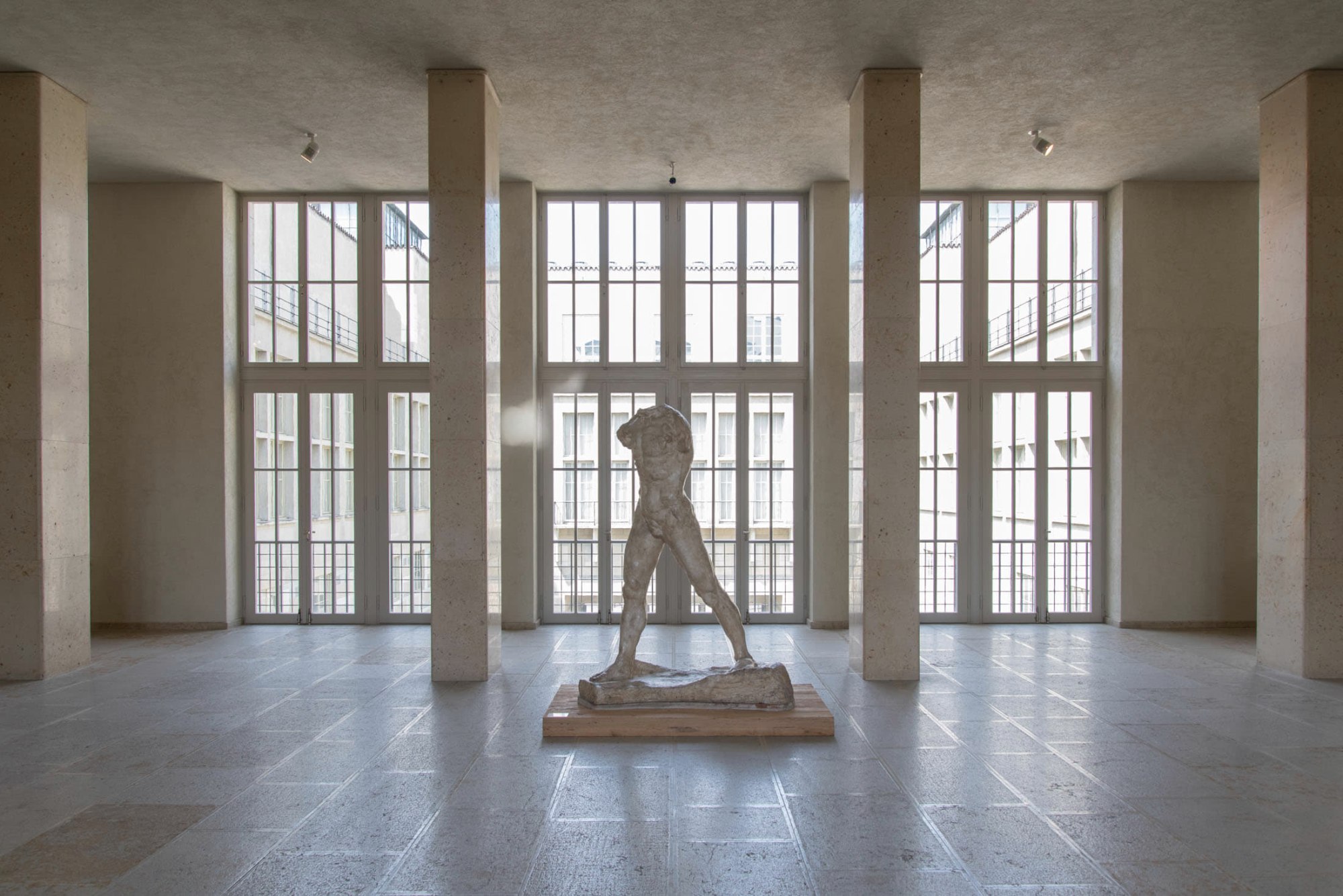
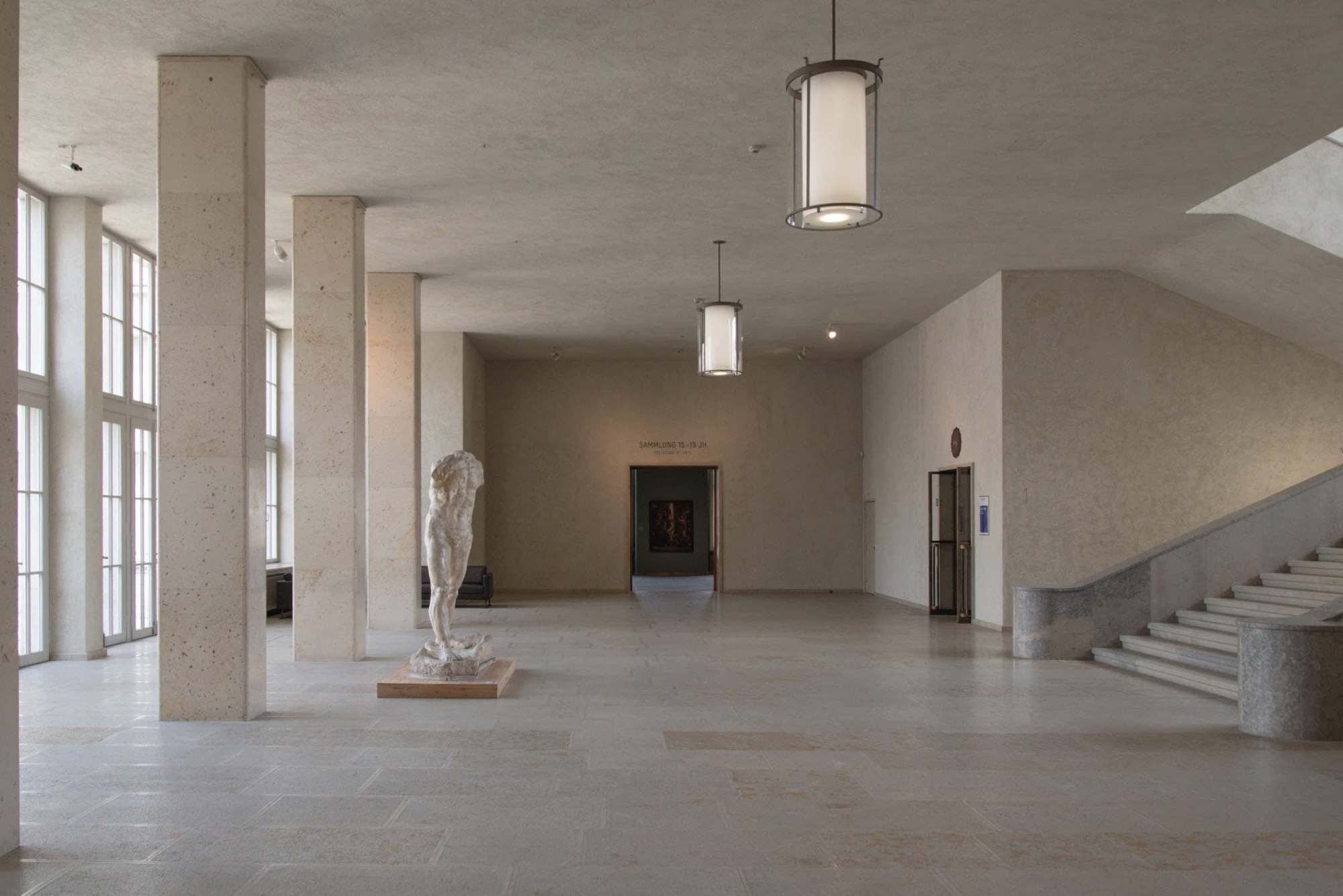
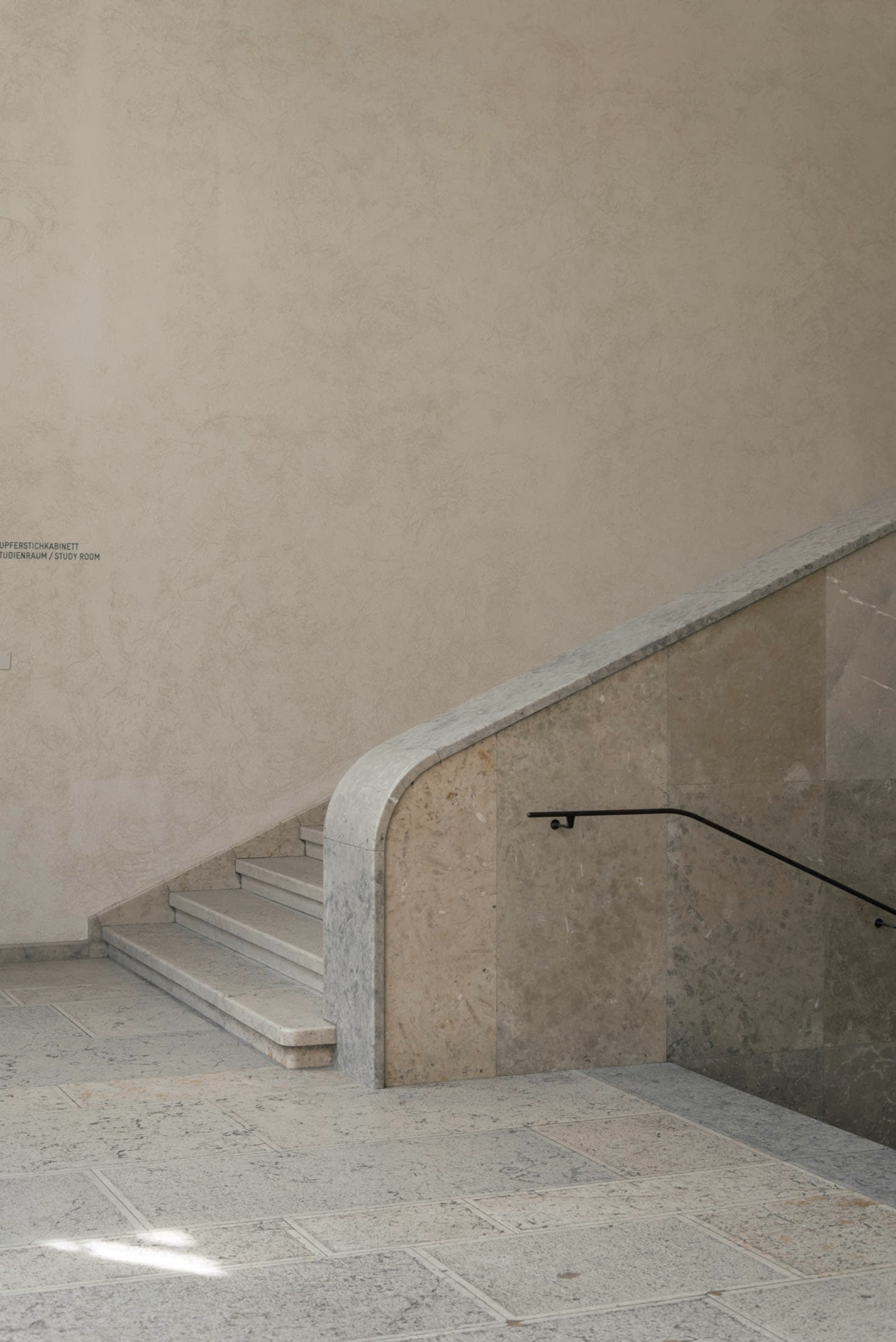
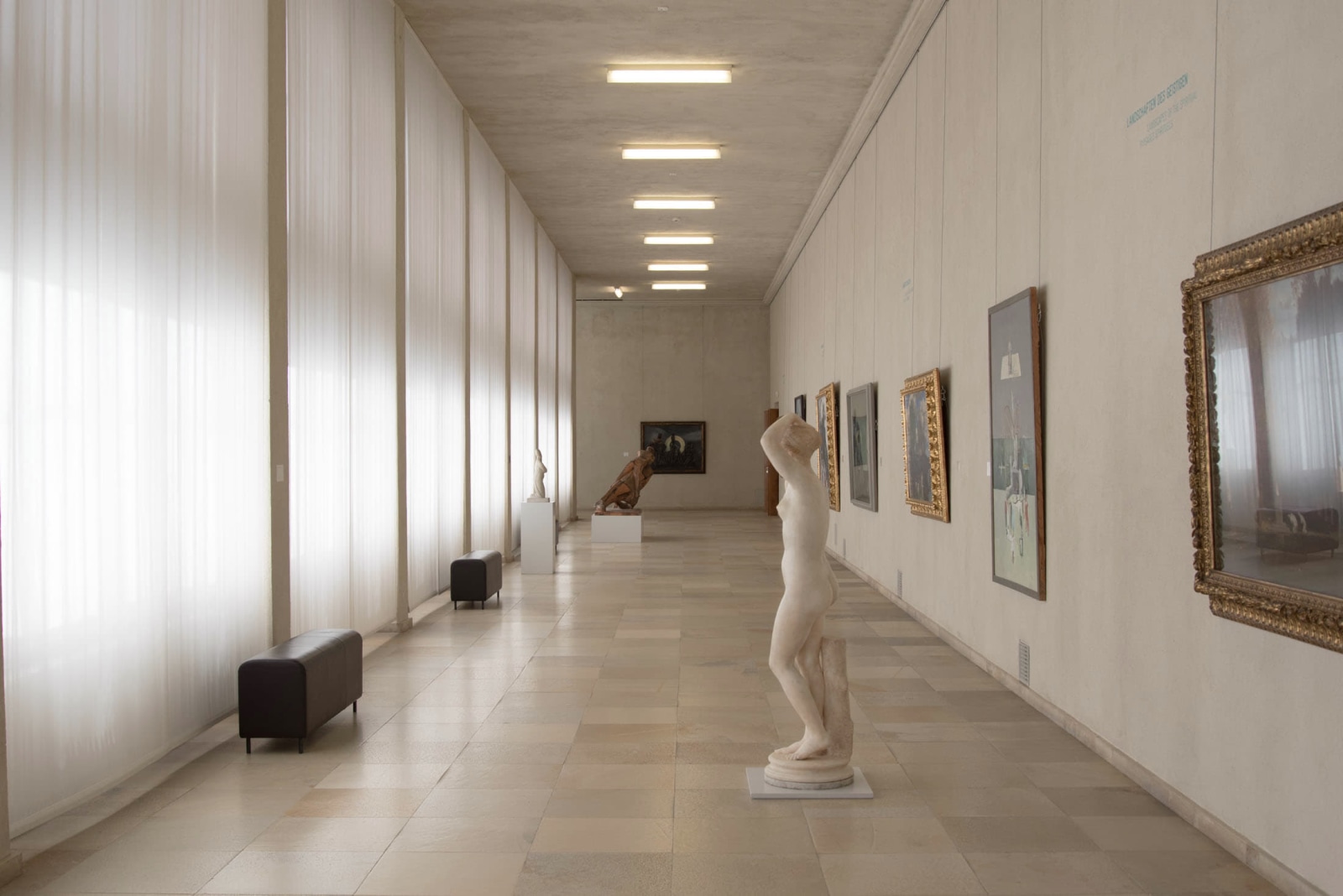
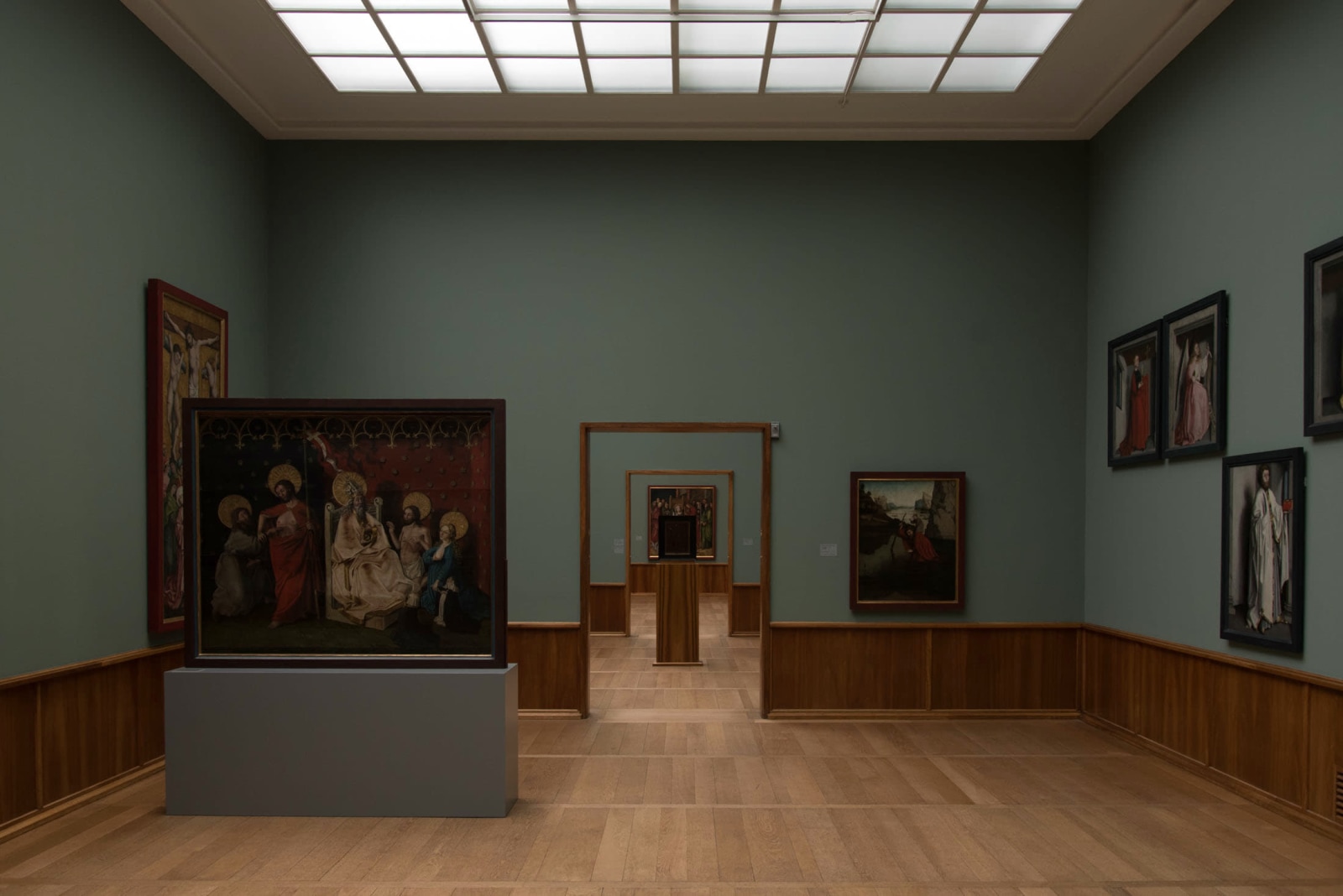
The Kunstmuseum Basel's main building represents a pivotal moment in museum architecture, embodying what its architects termed "conservative modernism." Designed by Basel architect Rudolf Christ in collaboration with Stuttgart master builder Paul Bonatz, the building was conceived as a pure collection house—a radical departure from the eclectic exhibition spaces of its era. The architects developed a systematic approach to museum planning, creating distinct floor hierarchies: ground floor for Basel art, mezzanine for specialized collections, upper floors progressing chronologically from medieval to modern art. This programmatic clarity reflected a new scientific approach to art presentation, where architectural neutrality would allow artworks to speak without stylistic interference. The building's restrained facade and carefully proportioned galleries established a template for mid-20th century museum design, influencing a generation of cultural institutions across Europe.
巴塞尔艺术博物馆(主楼)
瑞士 巴塞尔
1936
巴塞尔艺术博物馆主楼代表了博物馆建筑史上的关键时刻,体现了建筑师所称的"保守现代主义"理念。由巴塞尔建筑师鲁道夫·克里斯特与斯图加特建造师保罗·博纳茨合作设计,这座建筑被构想为纯粹的收藏陈列空间,这在当时是对折衷主义展览空间的激进背离。建筑师发展了一套系统性的博物馆规划方法,创造了明确的楼层等级制:底层展示巴塞尔艺术,夹层安置专题收藏,上层楼按时间顺序从中世纪艺术展至现代艺术。这种功能明确性反映了艺术展示的全新科学方法,建筑的风格中性使艺术品能够在不受风格干扰的环境中自我表达。建筑克制的立面和精心比例的展厅为20世纪中期的博物馆设计确立了模板,影响了整个欧洲一代文化机构的建设。