Museum für Moderne Kunst
Frankfurt, Germany
1981~1991
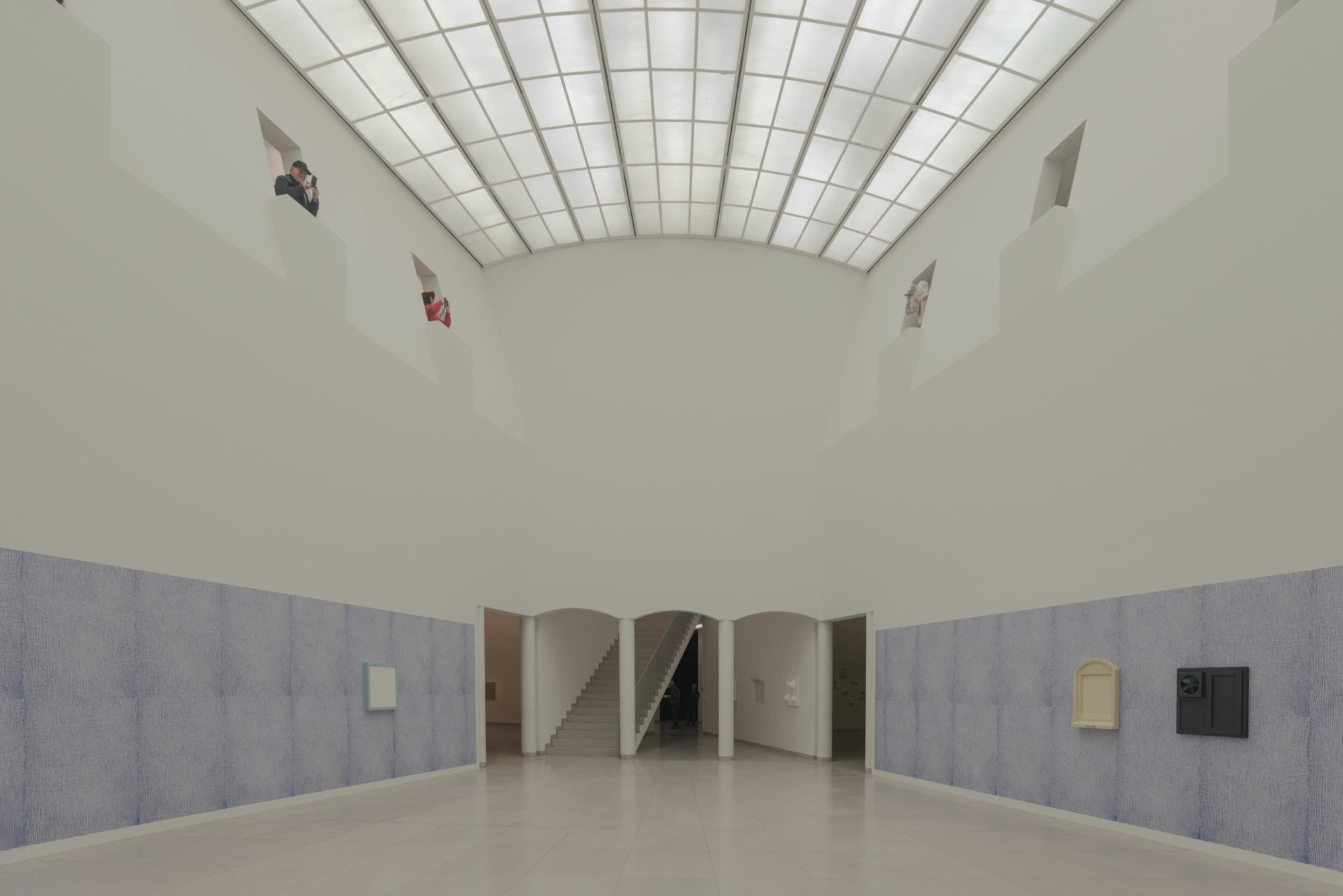
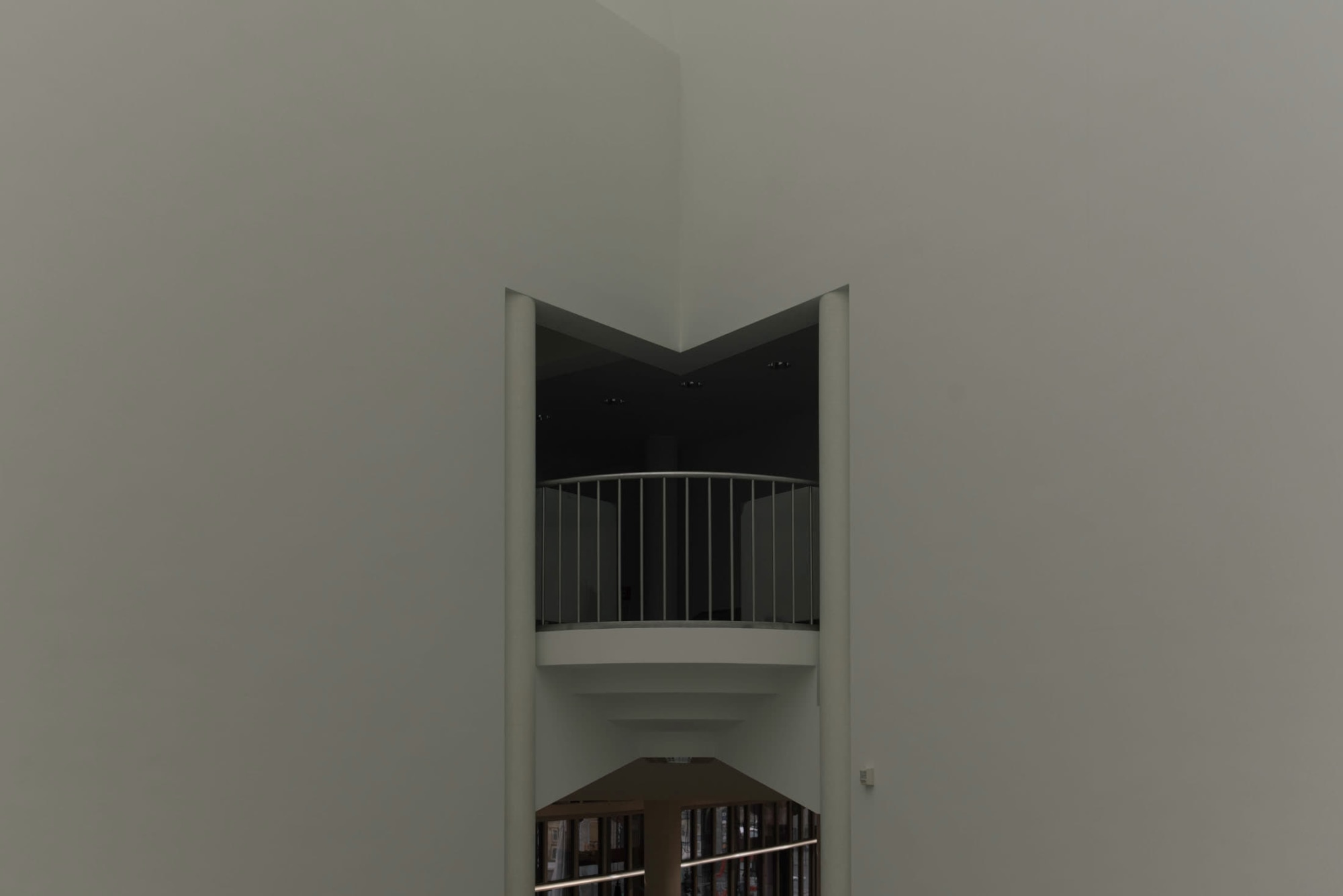
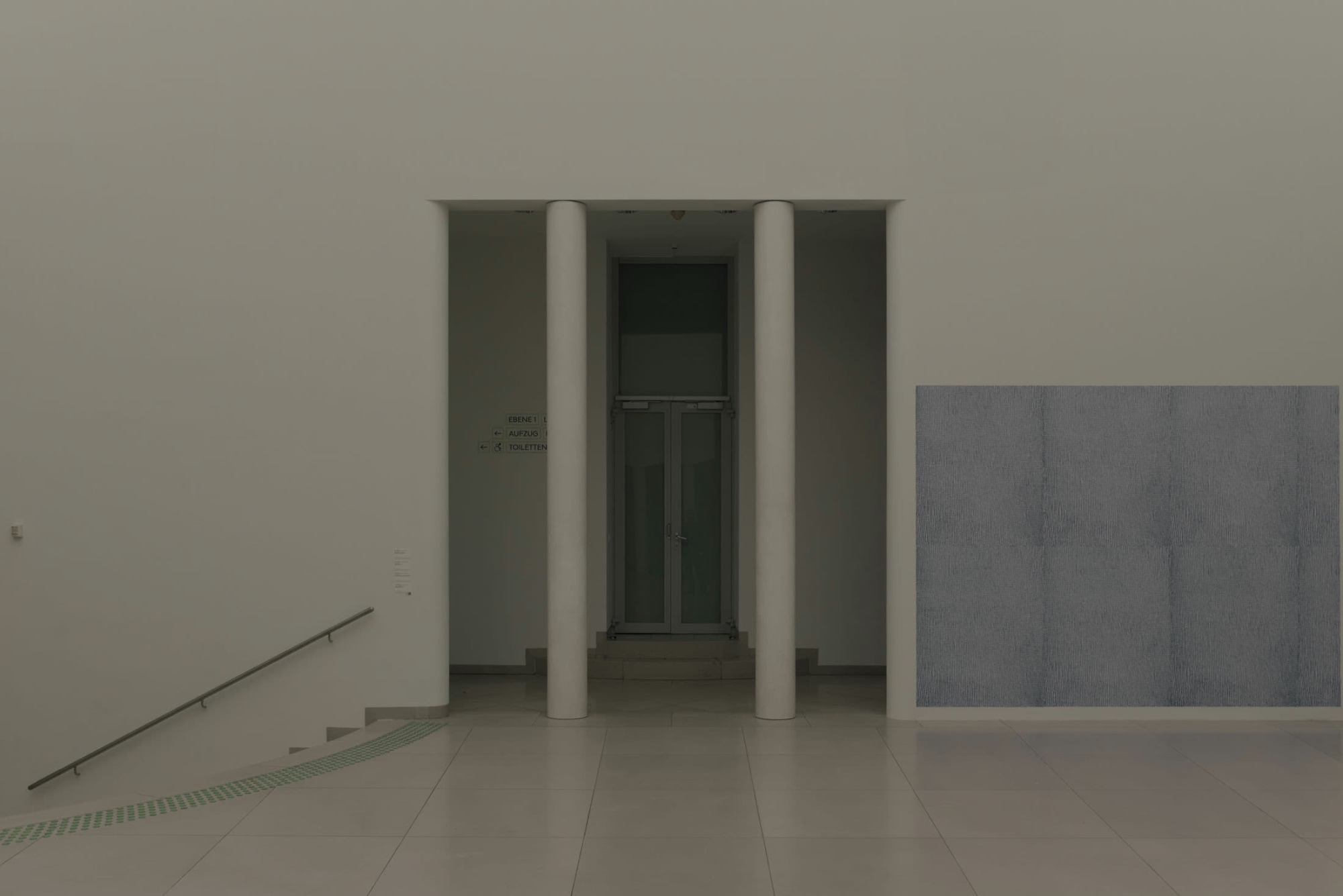
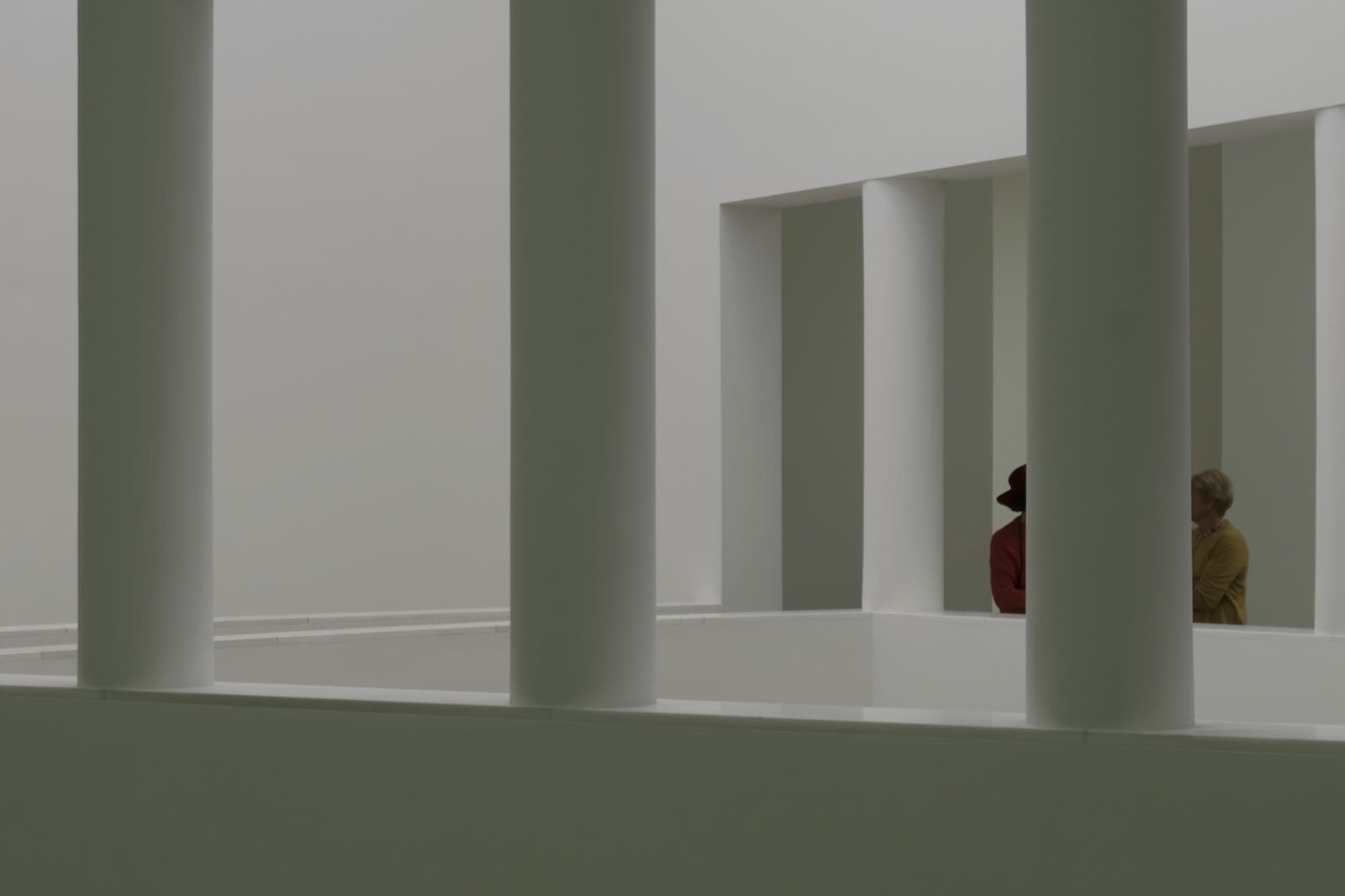
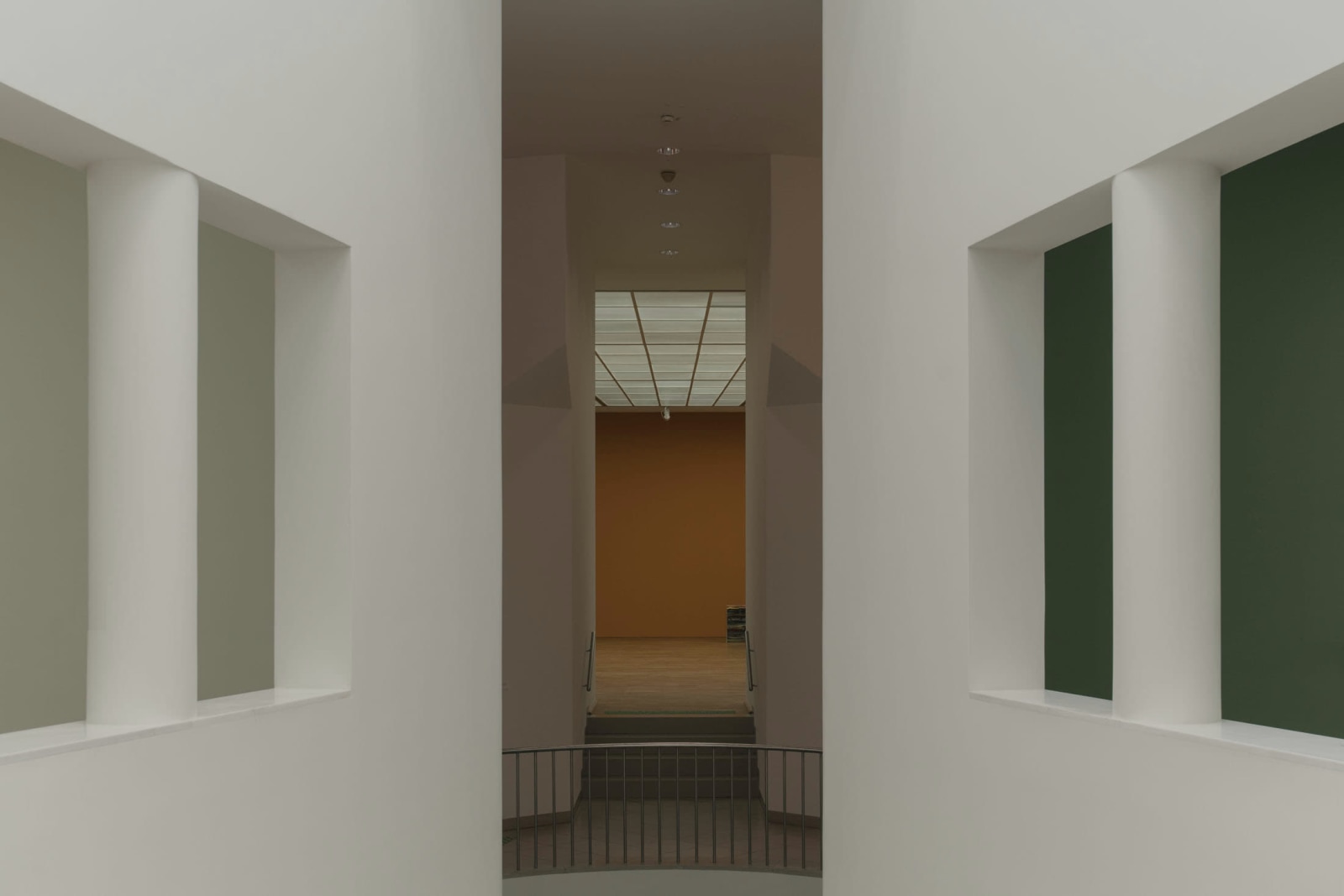
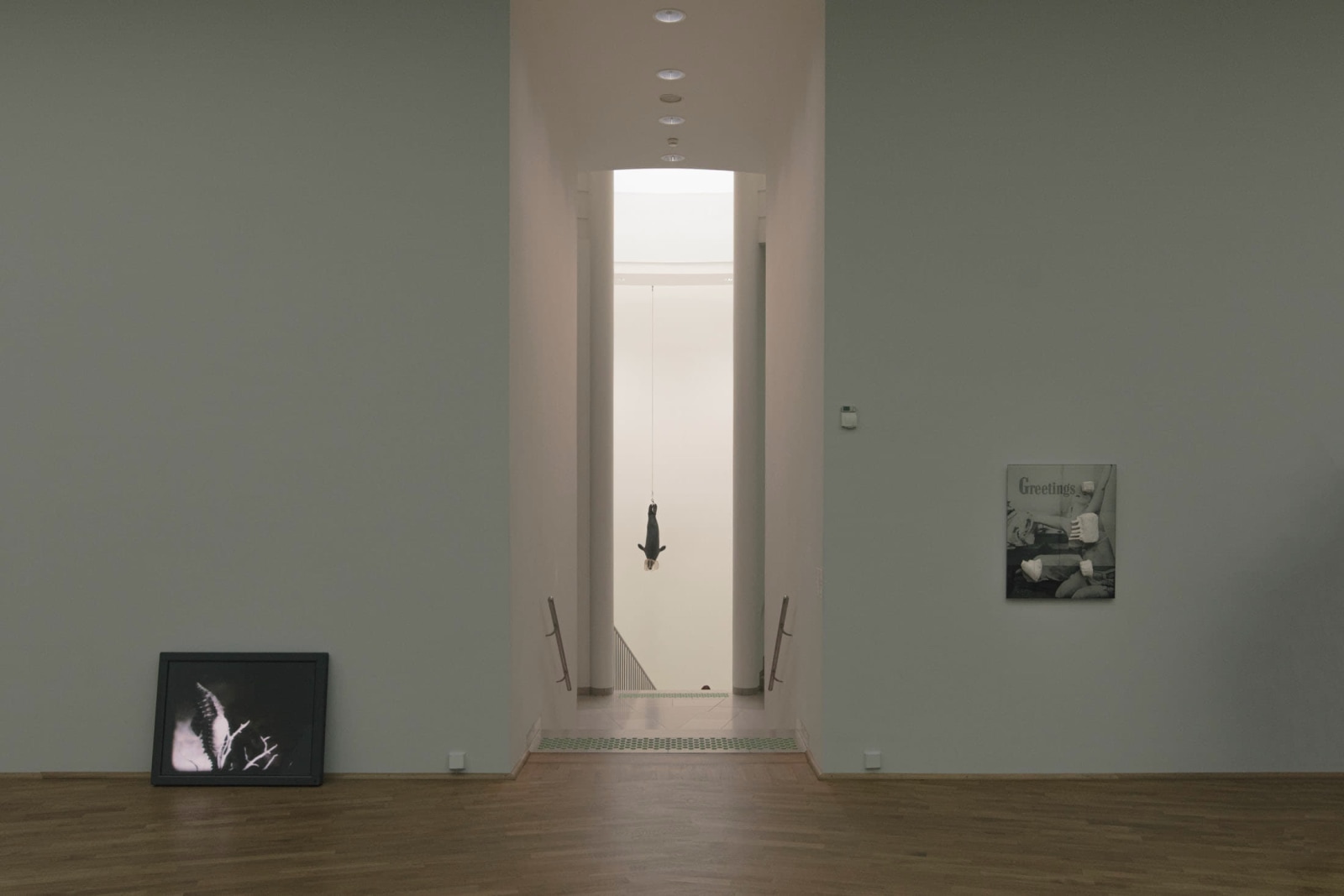
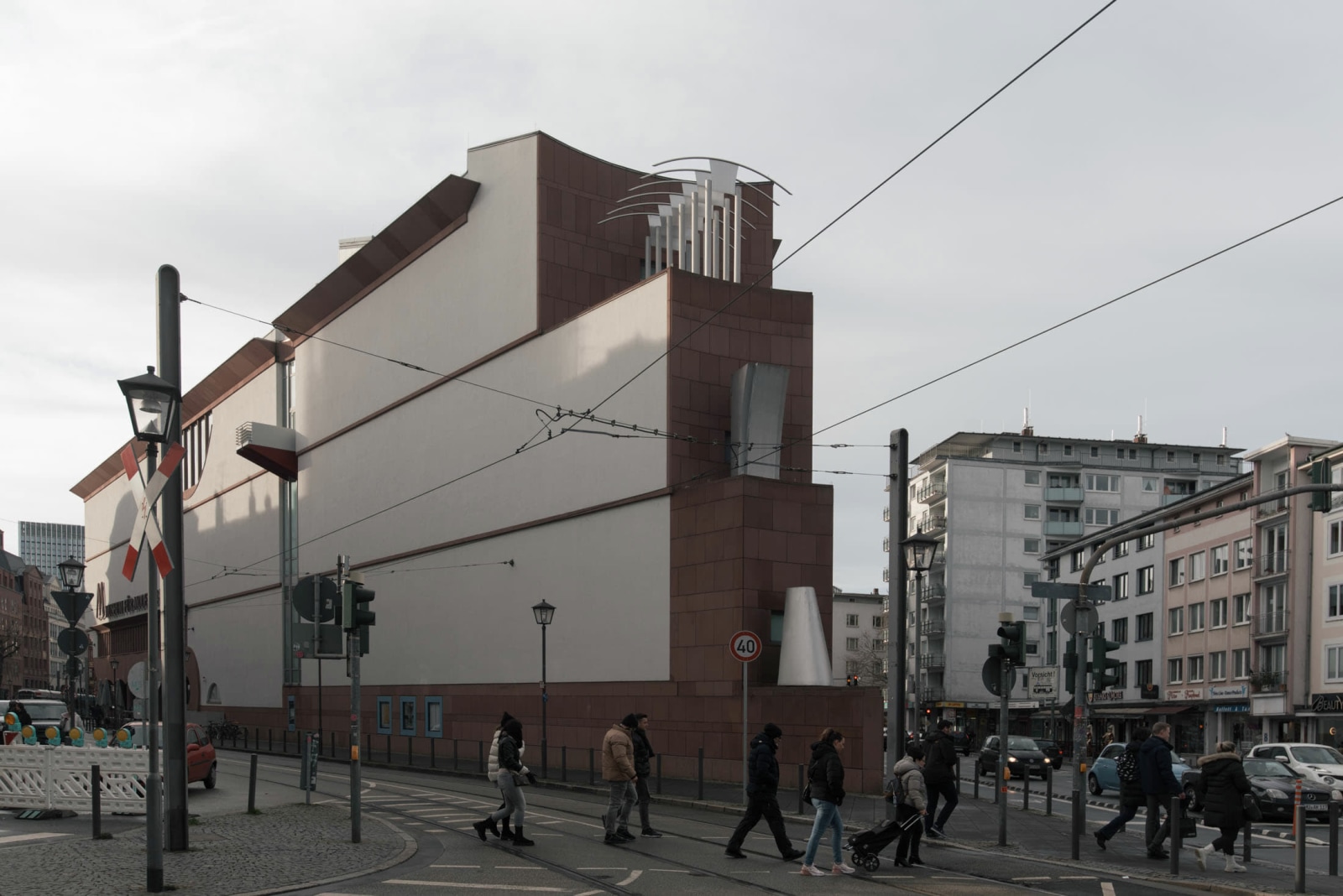
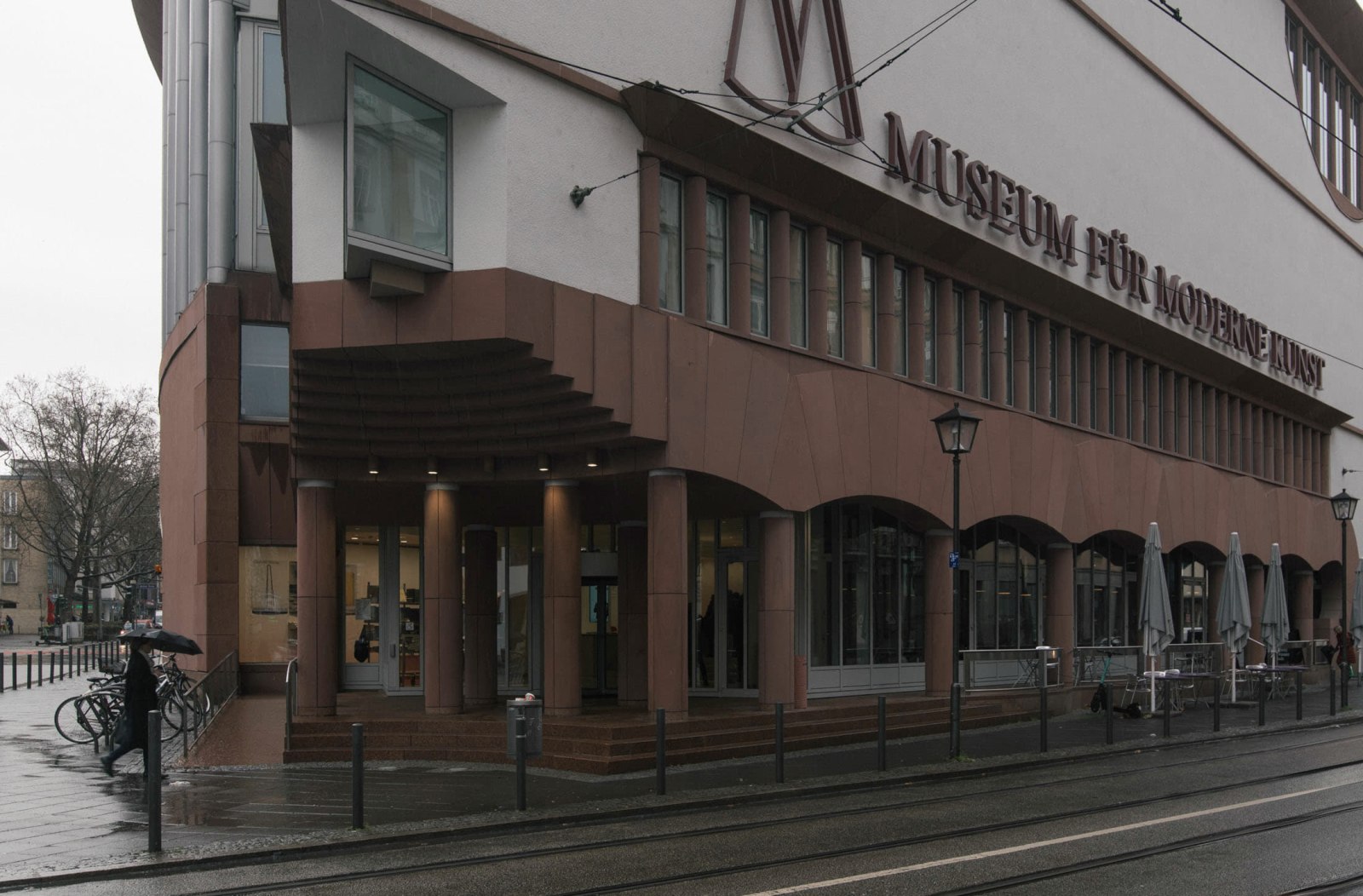
The Museum für Moderne Kunst is a quintessential example of Hollein's postmodern architectural vocabulary, with its triangular volume ("piece of cake") ingeniously responding to urban fabric constraints. The exterior employs red sandstone and stucco facades that follow surrounding cornice heights, creating dialogue rather than confrontation with the urban context. The spatial sequence is organized through an asymmetrical diagonal path, generating multi-layered experiences: the central top-lit hall introduces natural light, creating dramatic light-shadow interplay; while the vertical circulation breaks from traditional linear museum routes, offering visitors multidimensional perspectives during movement. Hollein conceived the building as an "art container," transcending functionalist uniformity through richness of formal language and complexity of spatial experience.
法兰克福现代艺术博物馆
德国 法兰克福
1981~1991
法兰克福现代艺术博物馆是霍莱因后现代建筑语汇的代表作,其三角形体量("蛋糕块")巧妙回应了城市肌理的限制条件。建筑外部采用红砂岩与灰泥饰面,遵循周边檐口高度,形成对话而非对抗的城市界面。空间序列通过不对称对角线路径组织,创造出多层次的空间体验:中央顶光大厅引入自然光线,形成戏剧性光影变化;垂直动线设计打破传统博物馆的线性参观模式,使观者在移动中获得多维视角。霍莱因将建筑视为"艺术容器",通过形式语言的丰富性与空间体验的复杂性,实现了对功能主义单一性的超越。