Baoguo Temple
Ningbo, China
1013
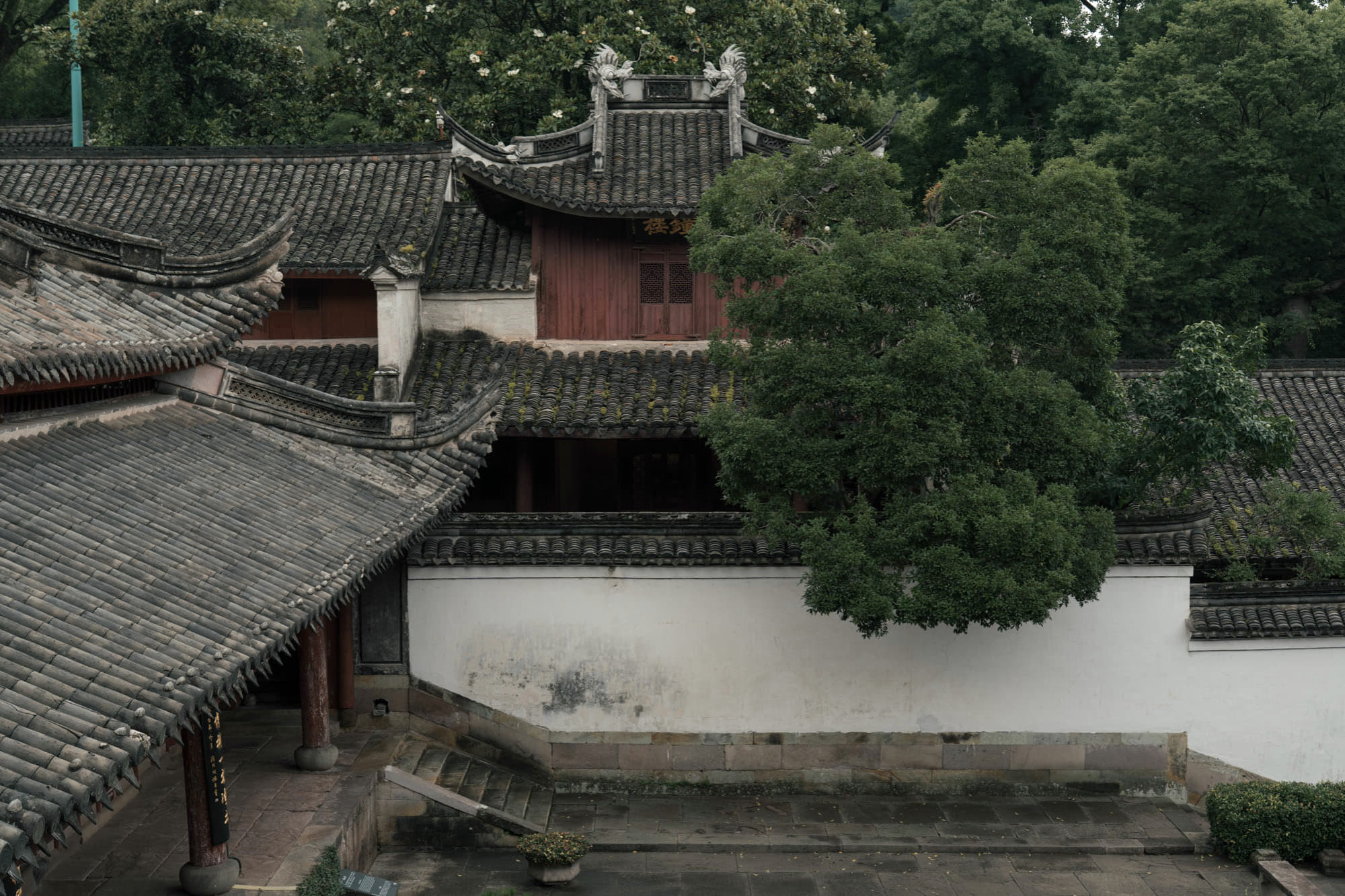
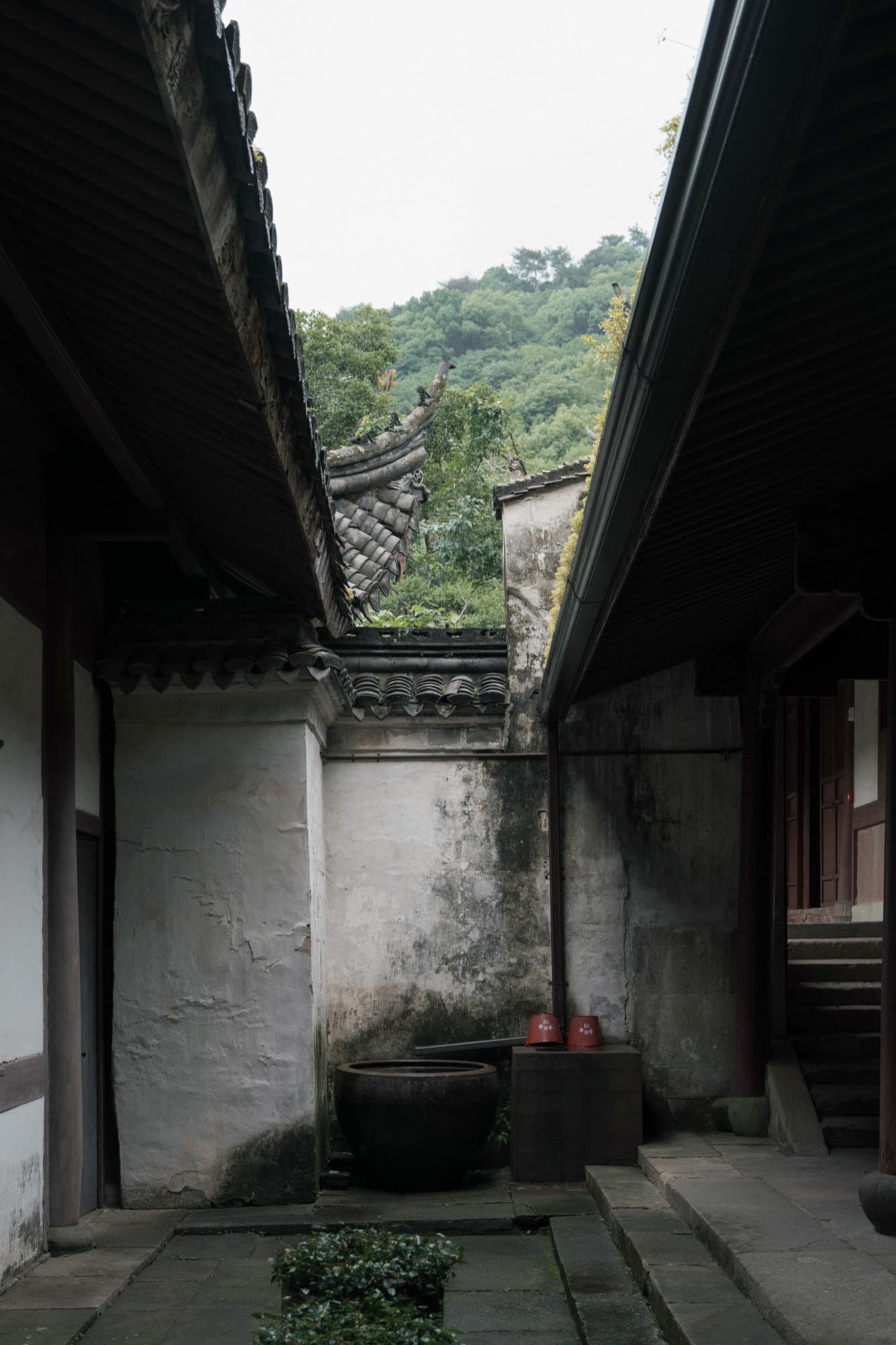
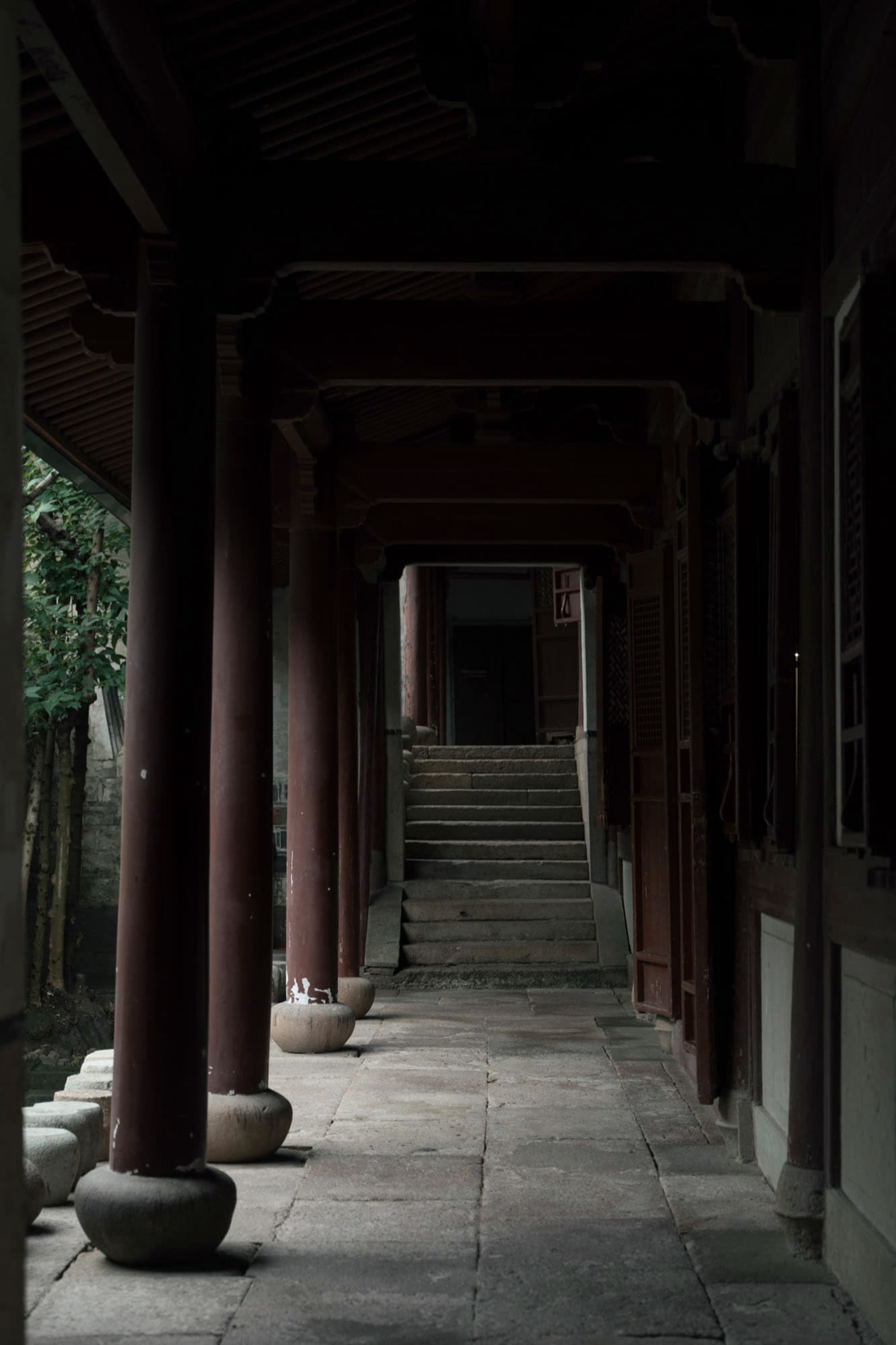
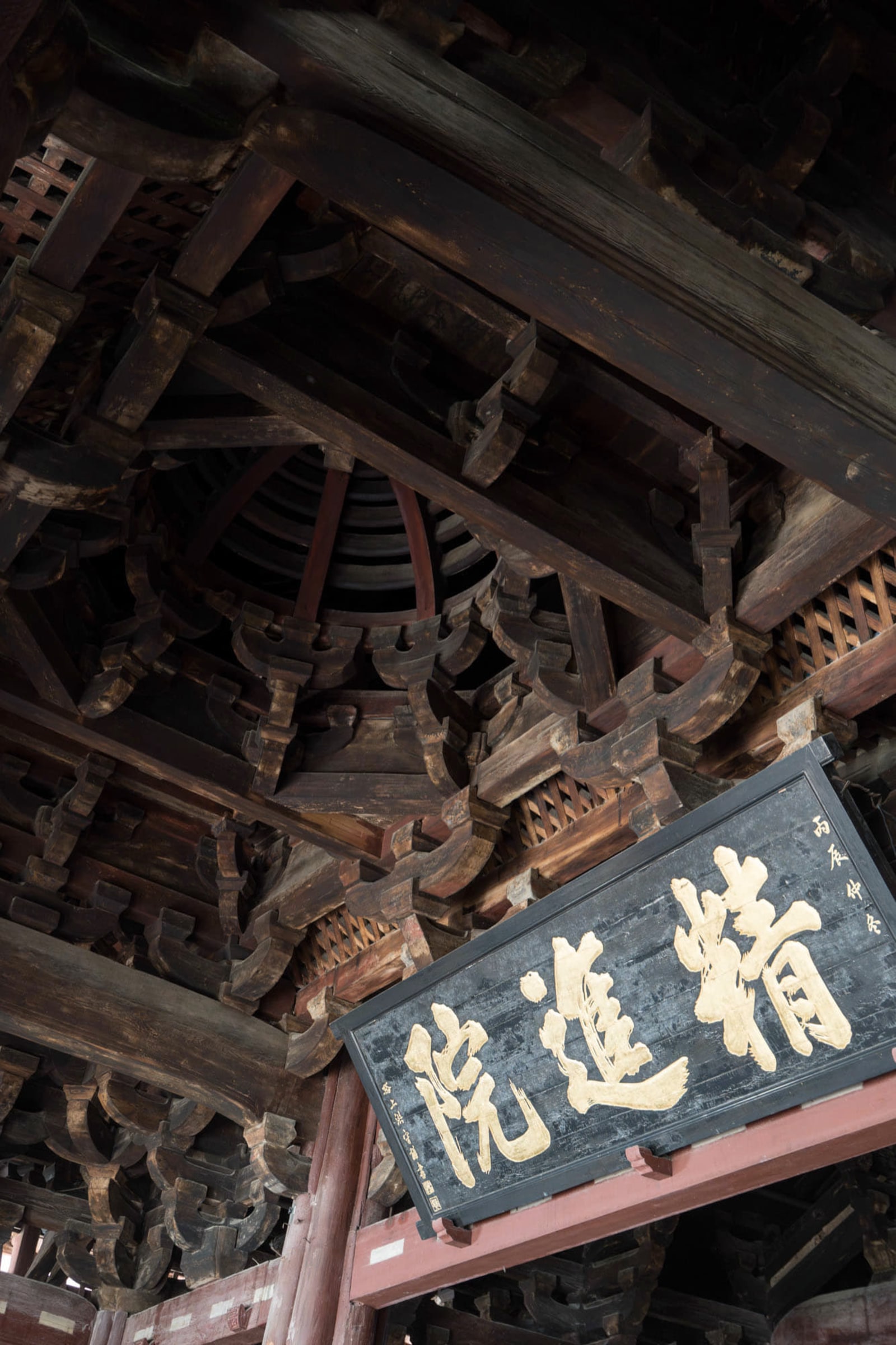
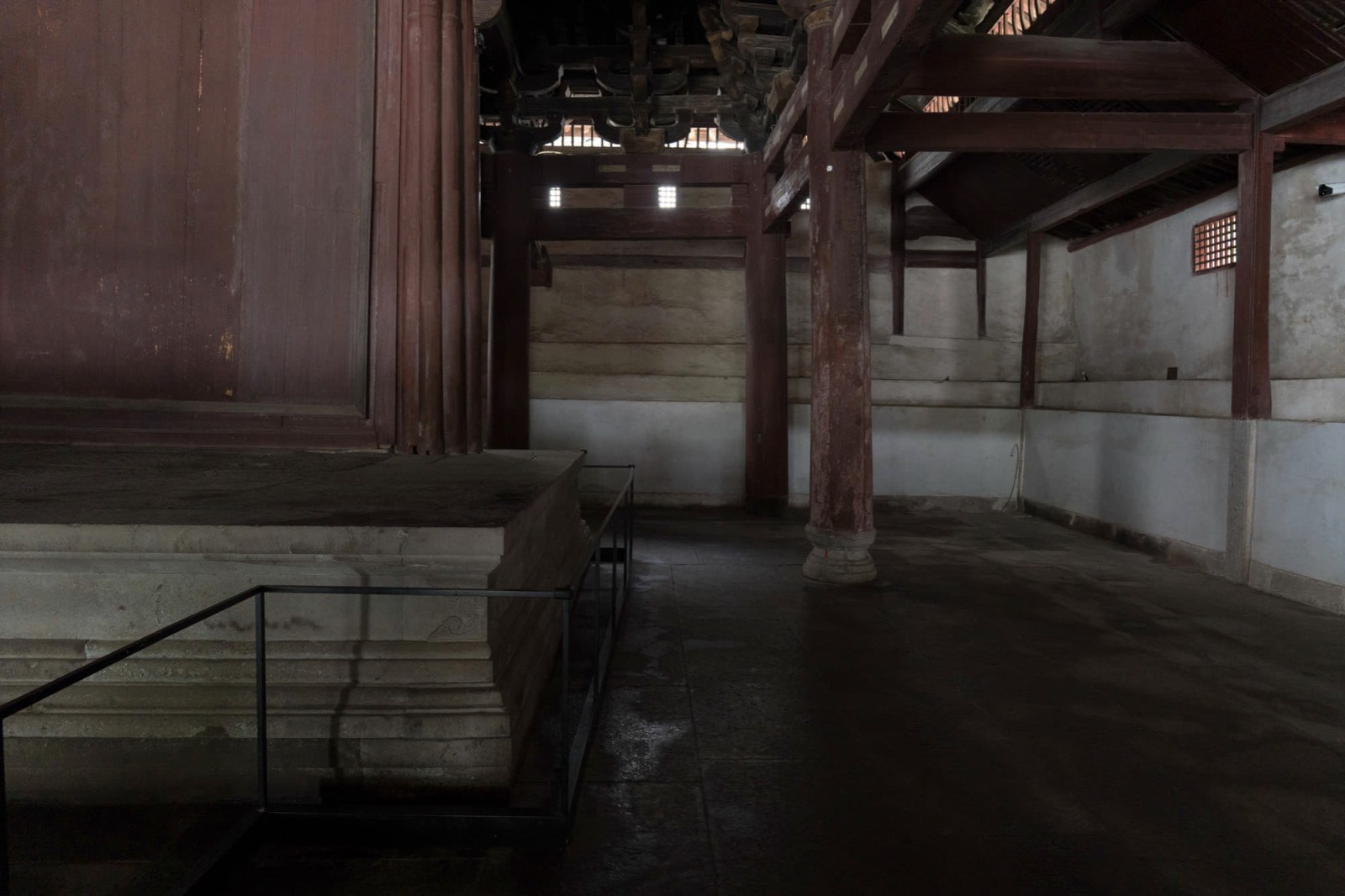
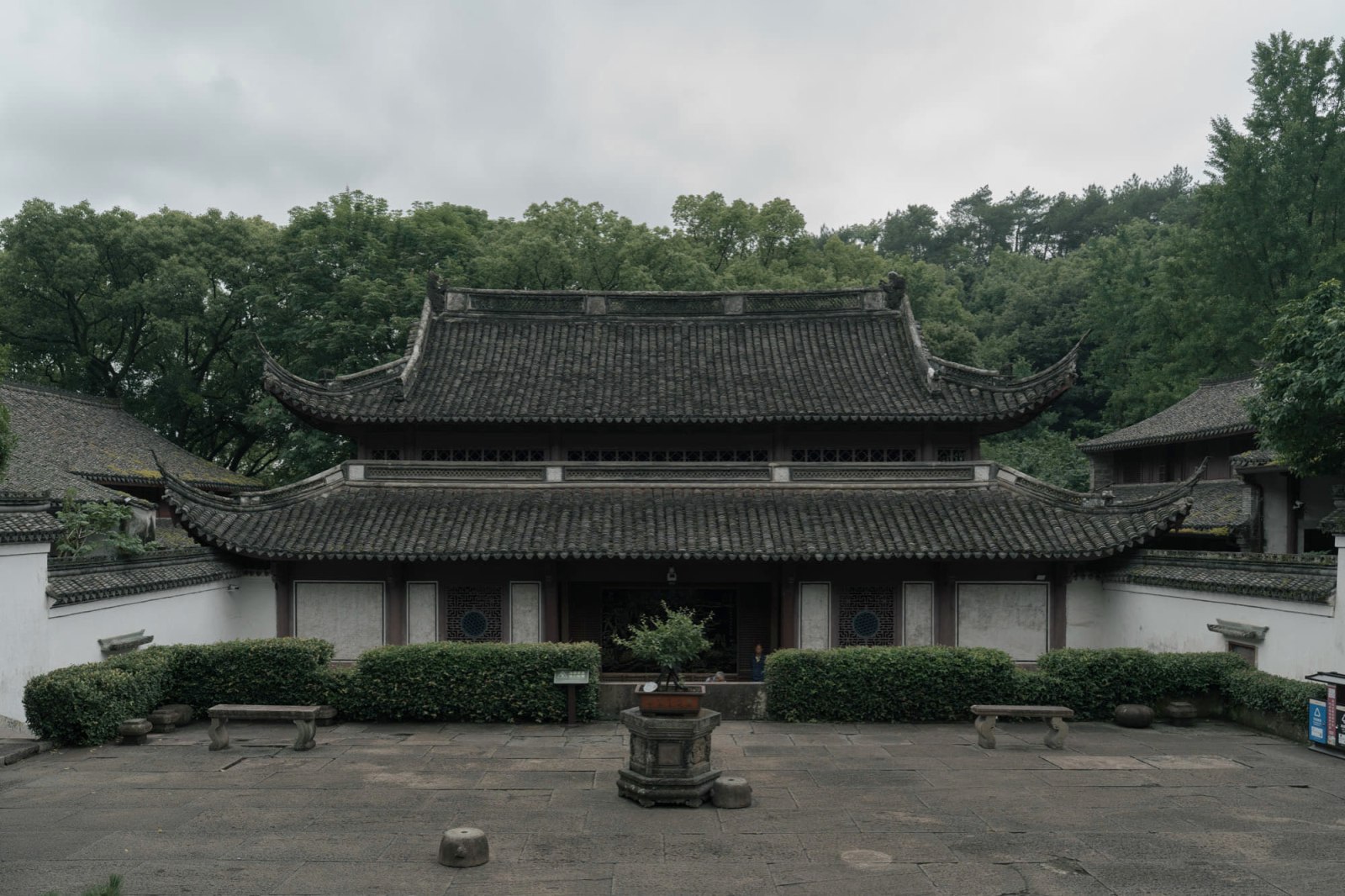
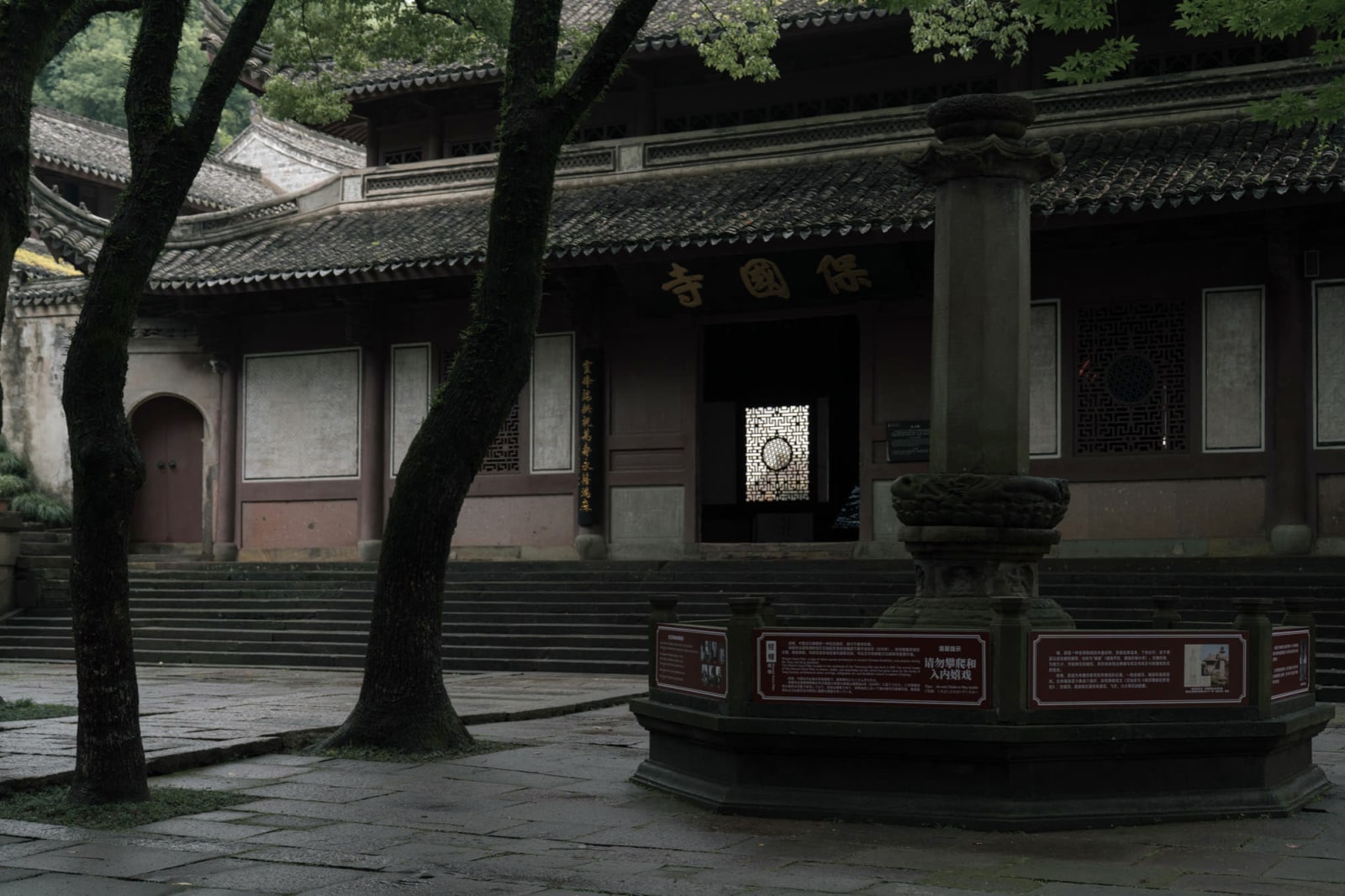
The Main Hall of Baoguo Temple, rebuilt in 1013 during the Northern Song Dynasty, stands as one of the oldest wooden structures in southern China. Architecturally, it presents a compact rectangular form with a hip-and-gable roof, creating a dignified silhouette against the mountain backdrop. Its spatial organization follows a clear ritual sequence with an open-fronted corridor leading to the enclosed Buddha hall. The structural system employs the sophisticated "tailiang" (beam-lifted) framework, featuring melon-shaped columns and elaborate bracket sets that distribute the roof's weight without using a single nail. The deep eaves create a transitional light zone between exterior and interior, while the hall's orientation maximizes natural illumination of the Buddha statue. As a physical embodiment of Song Dynasty architectural standards, the hall represents a crucial link in the evolution of Chinese timber construction techniques.
保国寺
中国 宁波
1013
保国寺大殿重建于北宋大中祥符六年(1013年),是中国南方现存最古老的木构建筑之一。从形态上看,大殿呈紧凑的矩形平面,采用歇山顶,在山景衬托下形成庄严的轮廓。空间布局遵循明确的礼仪序列,前部敞开式廊庑引导至封闭式佛殿空间。结构采用精湛的“抬梁式”木构架体系,特色在于瓜棱形立柱和复杂斗栱,不用一钉传递屋顶重量。深远的屋檐在内外空间间创造了过渡光区,而大殿的朝向则最大化了佛像的自然采光。作为宋代建筑规制的实物见证,大殿代表了中国木构技术演变中的关键环节。